







What's Happening?
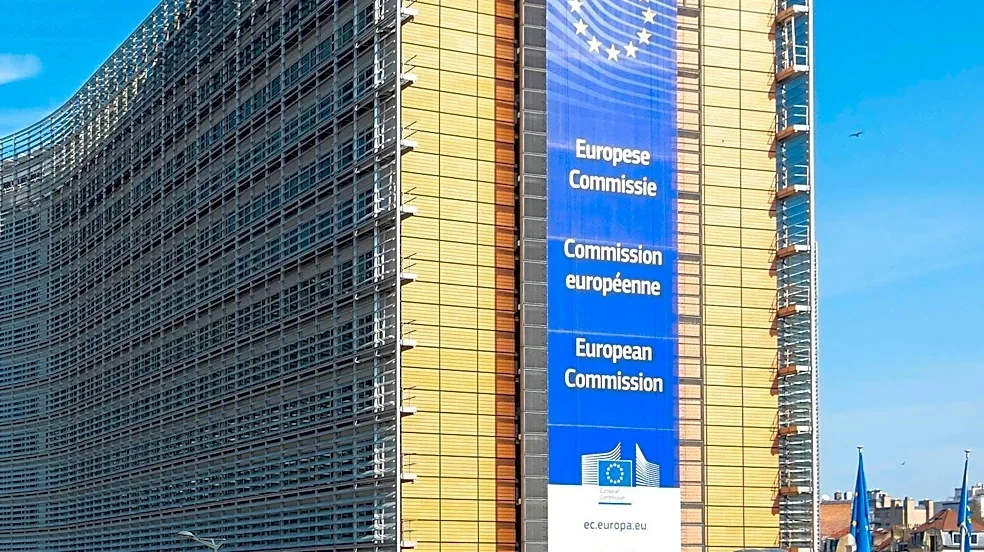
The European Commission has issued a Statement of Objections to KKR & Co. Inc., a global investment firm, alleging that the company provided incorrect or misleading information during the 2024 merger review of its €22 billion acquisition of NetCo. NetCo comprises
the primary and backbone fixed-line network business of Telecom Italia S.p.A. (TIM), including FiberCop S.p.A. KKR had notified the Commission of the proposed transaction on April 19, 2024, seeking to acquire sole control over NetCo. The Commission granted unconditional regulatory clearance in May 2024, largely based on KKR's representations that it would operate NetCo as a neutral, wholesale-only access provider without incentives to degrade terms for third-party competitors. This transaction was significant as it marked the first complete structural separation of a nationwide telecommunications access network from an incumbent operator in a major European market. The charges fall under Article 14(1) of the EU Merger Regulation, which allows the Commission to penalize companies for intentionally or negligently supplying incorrect, incomplete, or misleading information during merger reviews.
Why It's Important?
This action by the European Commission underscores the stringent regulatory environment for mergers and acquisitions within the EU, particularly concerning critical infrastructure like telecommunications networks. For U.S. investment firms like KKR, operating globally necessitates a thorough understanding and strict adherence to diverse international regulatory frameworks. The potential financial penalties, which can be up to 1% of the aggregate annual global turnover of the infringing undertaking, highlight the significant financial risks associated with non-compliance. Beyond the immediate financial implications, such charges can damage a firm's reputation and potentially impact future investment opportunities and regulatory approvals in the EU. This case also signals the Commission's commitment to ensuring fair competition and preventing market distortions, especially in sectors deemed vital for economic and digital sovereignty. The precedent set by this case could influence how other global investment firms approach due diligence and information disclosure in future European merger filings.
What's Next?
KKR will now have the opportunity to respond to the European Commission's Statement of Objections, exercising its procedural defense rights. The Commission has confirmed that the existing clearance for the NetCo acquisition remains valid during these proceedings, indicating that the immediate operational status of NetCo is not directly threatened by these charges. Historically, the Commission has treated Article 14 violations as procedural financial sanctions rather than unwinding closed infrastructure carve-outs. This suggests that the likely outcome, if KKR is found to have provided misleading information, would be a financial penalty rather than a reversal of the merger. The final decision by the European Commission will be closely watched by other global investment firms and regulatory bodies, as it will further clarify the expectations for transparency and accuracy in merger control processes within the EU.
Beyond the Headlines
The charges against KKR extend beyond a simple procedural violation, touching upon the broader implications of private equity involvement in critical national infrastructure. The initial unconditional clearance was based on KKR's commitment to operate NetCo as a neutral, wholesale-only provider, a promise crucial for maintaining competitive balance in the telecommunications sector. If the Commission's allegations are substantiated, it raises questions about the reliability of information provided by private equity firms during regulatory reviews and the potential for such firms to gain market advantages through misrepresentation. This case could lead to increased scrutiny of private equity acquisitions of essential services, prompting regulators to demand more robust guarantees and oversight mechanisms. It also highlights the ongoing tension between facilitating investment and safeguarding public interest and fair competition in strategic sectors.