




What's Happening?
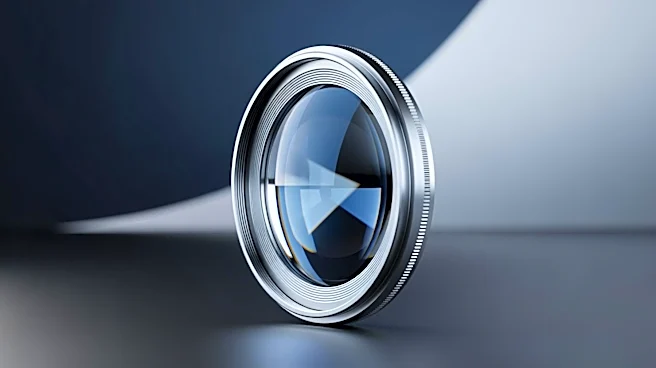
MKS-Ophir has unveiled a new long-wave infrared (LWIR) continuous zoom lens, the Ophir LightIR 15-75 mm f/1.2, at the Eurosatory 2026 exhibition. This lens is designed to reduce reliance on germanium optical materials, addressing supply-chain risks and
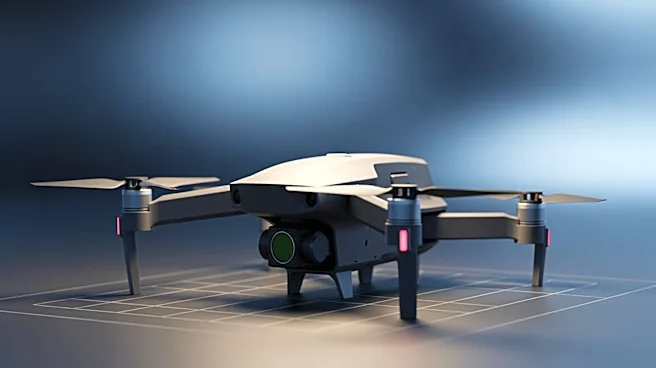
material availability concerns. The lens is optimized for VGA 10-12 µm uncooled LWIR detectors, offering a horizontal field of view from 29.9° to 5.8°, suitable for various applications including defense, security, and industrial uses. The compact design, weighing 349 grams, is ideal for platforms with constraints on size, weight, and power, such as airborne and unmanned thermal imaging systems. The lens incorporates advanced coatings for environmental robustness and offers adapter options for seamless integration with existing systems.
Why It's Important?
The introduction of the low-germanium LWIR zoom lens is significant as it addresses critical supply-chain challenges faced by the optical industry, particularly in defense and security sectors. Germanium, a key material in infrared optics, is subject to global demand fluctuations, limited availability, and export restrictions, which can impact pricing and supply stability. By reducing dependency on germanium, MKS-Ophir's new lens helps manufacturers mitigate these risks, ensuring consistent performance and availability for mission-critical applications. This development could lead to more stable production and cost management for companies relying on thermal imaging technologies.
What's Next?
MKS-Ophir plans to expand its low-germanium LWIR optics portfolio, which will include fixed-focus lenses with various field-of-view configurations. This expansion aims to provide more options for manufacturers and users in defense and industrial sectors, potentially leading to broader adoption of low-germanium solutions. As the industry adapts to these changes, stakeholders may need to adjust their supply chains and production strategies to incorporate these new technologies, ensuring they remain competitive and resilient against material shortages and price volatility.