







What's Happening?
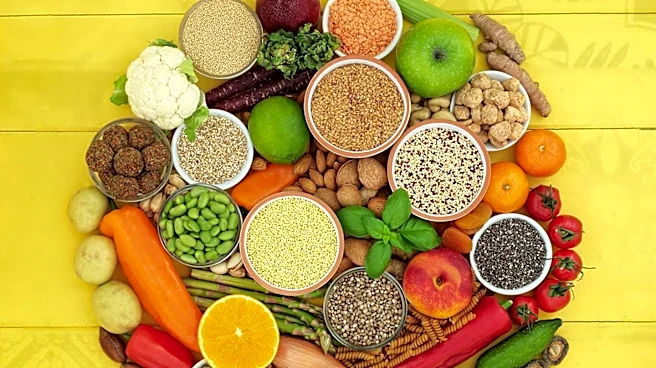
Ayurveda, an ancient Indian healing system, offers specific dietary recommendations for maintaining liver health and managing conditions like fatty liver. These guidelines prioritize warm, freshly cooked, and easily digestible meals. Recommended foods
include barley, old rice, moong dal, bitter gourd, bottle gourd, and thin buttermilk, along with regular consumption of whole fruits and vegetables. Conversely, the Ayurvedic approach advises against alcohol, fried foods, sugary drinks, and excessive sweets. The philosophy centers on strengthening 'Agni' (digestive fire) and balancing 'doshas' (Pitta and Kapha) to prevent the accumulation of 'Ama' (unmetabolized matter). While these dietary suggestions align with many modern nutritional principles, it's crucial to note that they are traditional practices and not a substitute for conventional medical treatment or advice for liver diseases. The emphasis is on a holistic approach to eating, including portion control and mindful consumption, rather than specific 'detox' methods.
Why It's Important?
The integration of Ayurvedic dietary principles into modern health discussions highlights a growing interest in holistic and traditional approaches to wellness, particularly in managing chronic conditions like liver disease. For individuals in the U.S. seeking alternative or complementary health strategies, understanding these guidelines can offer a framework for healthier eating habits. The emphasis on whole, unprocessed foods, mindful eating, and avoiding excessive sugar and unhealthy fats resonates with established nutritional advice, potentially offering a culturally rich pathway to improved health. However, it also underscores the importance of distinguishing between traditional wisdom and scientifically proven medical treatments. For U.S. healthcare providers, this information can be valuable in understanding patients' diverse health beliefs and practices, fostering more comprehensive and patient-centered care. The caution against unproven 'detox' products and the necessity of medical consultation for serious liver conditions are critical messages for public health, preventing potential harm from unregulated supplements or self-treatment.
What's Next?
Individuals interested in adopting an Ayurvedic diet for liver health are advised to consult with healthcare professionals, including their physician or a registered dietitian, especially if they have pre-existing liver conditions like cirrhosis or diabetes. This ensures that any dietary changes complement, rather than conflict with, prescribed medical treatments and nutritional needs. Further research into the clinical efficacy of full-scale Ayurvedic diets for liver disorders could provide more scientific evidence to support these traditional practices. The continued dialogue between traditional healing systems and modern medicine will likely lead to a more integrated approach to patient care, where dietary and lifestyle interventions are tailored to individual health profiles and cultural backgrounds. Educational initiatives promoting informed choices about dietary supplements and 'detox' products will also be crucial to safeguard public health.
Beyond the Headlines
The discussion around Ayurvedic diets for liver health extends beyond mere food choices, touching upon deeper cultural and philosophical dimensions of well-being. It highlights the concept of 'pathya' (suitable foods and practices) and 'apathya' (unsuitable ones), emphasizing individualized eating based on body type, health status, and even seasonal changes ('Ritucharya'). This contrasts with a one-size-fits-all approach to diet, promoting a more personalized understanding of nutrition. The caution against unproven herbal 'detox' products and the potential for liver toxicity from certain 'natural' supplements also brings to light the ethical considerations in the wellness industry. It underscores the need for critical evaluation of health claims, particularly those lacking scientific validation, and reinforces the principle that 'natural' does not always equate to 'safe.' This broader perspective encourages a more discerning approach to health information and a greater reliance on evidence-based medical advice.