





What's Happening?
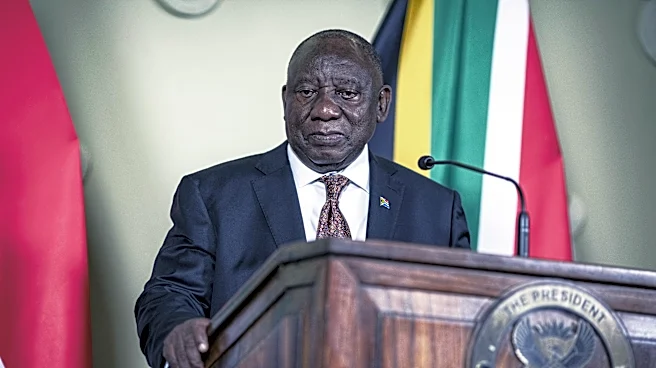
South Africa is planning to establish a R100 million venture capital fund and a credit guarantee fund to support start-ups in artificial intelligence (AI) and the broader technology sector. This initiative was announced by President Cyril Ramaphosa at the conclusion
of his working visit to Silicon Valley in the United States. The proposed funding aims to foster a robust funding ecosystem, encouraging South African technology businesses to expand and compete globally. President Ramaphosa indicated that the government would seek to match commitments from entrepreneurs and invite private sector participation. The five-day visit, which included a delegation of nearly 300 South Africans, focused on understanding AI, forging new partnerships, and attracting investment into the country's rapidly evolving technology sector. The President emphasized the importance of South Africa not being left behind in the technological revolution and becoming an active developer of AI rather than merely a consumer.
Why It's Important?
This move by South Africa highlights a growing global recognition of the strategic importance of artificial intelligence and the need for national investment in technological innovation. For the U.S. and its tech industry, this development signifies an expanding international market for AI collaboration, expertise, and potentially, investment opportunities. As South Africa aims to build domestic AI capabilities and attract foreign investment, U.S. technology companies and venture capitalists might find new avenues for partnerships, market penetration, and talent acquisition. The emphasis on developing a national AI policy and preparing workers for a changing job market also reflects a broader global trend that could influence international standards and best practices in AI governance and workforce development. This initiative could position South Africa as a significant player in the African tech landscape, potentially shifting regional economic dynamics and creating new competitive pressures or collaborative opportunities for U.S. firms.
What's Next?
Following President Ramaphosa's visit, a dedicated team will coordinate the development of an action plan, with implementable ideas and proposals expected within 90 days. The South African government plans to invite the private sector to participate in the venture capital fund. Future engagements with other parts of the world are anticipated, potentially including labor and civil society representatives in upcoming delegations. South Africa aims to strengthen relationships with Silicon Valley and facilitate the reconnection of South African diaspora professionals to contribute their expertise and mobilize investment. The country also intends to leverage its existing data center infrastructure, which hosts over 70% of Africa's total data centers, to expand its computing capacity and potentially export AI computing services to global markets.
Beyond the Headlines
The South African initiative to invest heavily in AI and technology start-ups carries deeper implications beyond immediate economic gains. It underscores a strategic national effort to assert technological sovereignty and avoid being merely a consumer of AI, a sentiment that resonates with many developing nations. This approach could lead to the development of AI solutions tailored to local challenges and contexts, potentially offering alternative models to those developed in Western tech hubs. The focus on reskilling and upskilling the workforce, while ensuring vulnerable groups are not left behind, highlights the ethical and societal considerations embedded in AI adoption. This proactive stance on AI development and governance could influence international discussions on equitable technology access, data privacy, and the future of work, potentially shaping global norms and collaborations in the AI space.