





What's Happening?
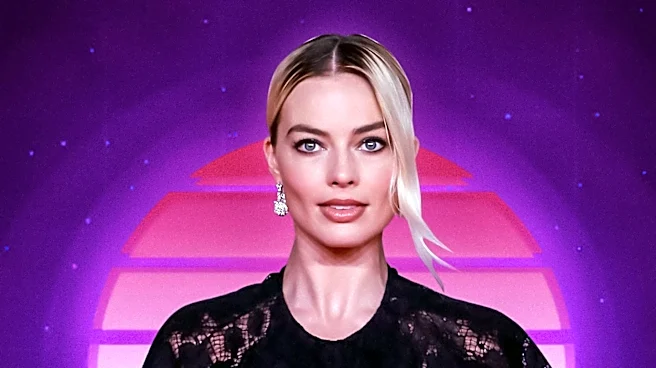
A project to create microdramas from Margot Robbie's past appearances in the Australian soap opera 'Neighbours' is generating legal questions and opposition from former co-stars. The British company Freemantle, whose Australian subsidiary produced 'Neighbours,'
has partnered with RoseBerry Media to re-edit existing footage of Robbie's character, Donna Freedman, into 150 minutes of new, vertical-format content. This initiative leverages Robbie's current influence in Hollywood. The plan involves using AI-powered software from RoseBerry Media's RedSnapper to reformat the archival footage. However, the announcement has been met with complaints from Robbie's former colleagues, who claim they were not consulted and oppose the project. Margot Robbie herself has not yet commented on the matter, according to The Guardian Australia. The New York Times highlights that the situation raises significant legal questions regarding the use of decades-old contracts in the context of new technologies like vertical video and AI editing.
Why It's Important?
This development is important as it underscores the growing legal and ethical challenges in the entertainment industry, particularly concerning intellectual property rights and the use of archival content in the age of AI and streaming. The debate centers on whether contracts signed years ago, before the advent of vertical video and AI editing, grant studios unrestricted rights to repurpose their archives. This case could set a precedent for how actors' past performances are utilized in new media formats, potentially impacting future agreements and compensation structures. If studios can freely re-edit and monetize old content without consulting or compensating original cast members, it could diminish actors' control over their work and earnings. Conversely, a ruling in favor of actors could lead to more stringent contractual clauses and potentially higher costs for content creators seeking to leverage historical footage. The outcome will influence how the entertainment industry navigates the intersection of legacy content, technological innovation, and artist rights.
What's Next?
The legal questions surrounding the 'Neighbours' microdrama project are expected to intensify. The Media, Entertainment and Arts Alliance (MEAA), Australia's primary actors' union, has indicated its support for the 'Neighbours' actors and their legal representatives in any forthcoming actions. This suggests that legal challenges or negotiations are likely to occur as stakeholders seek clarity on the interpretation of existing contracts in the digital age. The outcome of these discussions or potential lawsuits could lead to new industry standards or legislative changes regarding the use of AI and vertical video technology for repurposing archival content. Furthermore, the project's future success and distribution will likely depend on the resolution of these legal and ethical concerns. The entertainment industry will be closely watching to see how this case unfolds, as it could influence how other studios approach similar projects involving historical footage and emerging technologies.
Beyond the Headlines
Beyond the immediate legal disputes, this situation highlights a broader ethical and cultural debate about the ownership and manipulation of artistic performances. The use of AI to reformat and repurpose content raises questions about the integrity of original works and the rights of creators to control their artistic legacy. It touches upon the concept of 'digital immortality' for actors, where their performances can be endlessly re-edited and presented in new contexts, potentially without their consent or fair compensation. This case also reflects the rapid evolution of media consumption, with vertical video formats gaining significant traction, projected to generate $14 billion globally by 2026. The tension between technological advancement, commercial opportunity, and the rights of individuals in the creative industries is a recurring theme, and this 'Neighbours' project serves as a prominent example of these complex dynamics. The resolution of this issue could influence how intellectual property is defined and protected in an increasingly AI-driven and digitally fragmented media landscape.