
What's Happening?
With a significant portion of American workers now operating remotely full-time, the design and functionality of home office setups have become crucial. Many individuals are integrating workspaces into
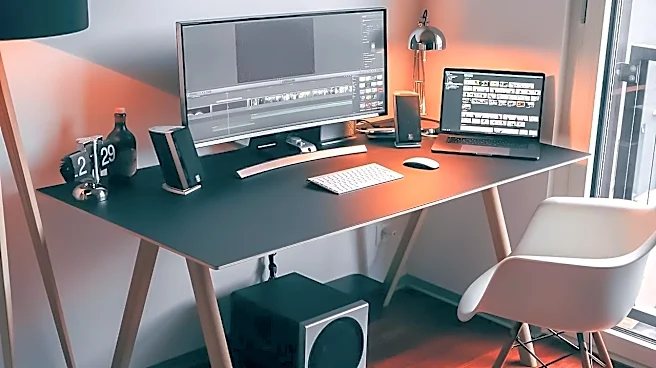
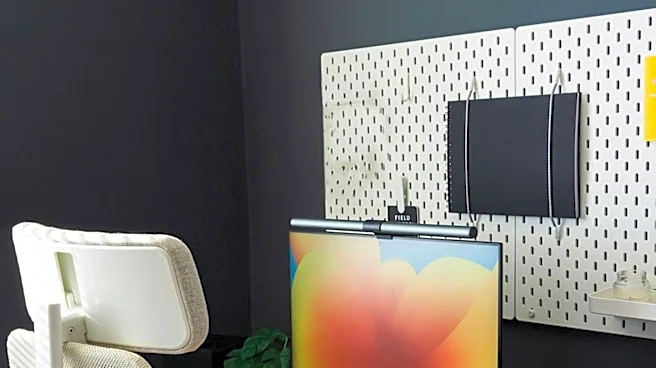
areas not originally intended for them, such as bedrooms or hallways. The core development is the increasing need for home office solutions that are not only functional during work hours but can also 'disappear' or seamlessly integrate into the home environment once the workday concludes. This approach addresses both the psychological impact of a constant work presence and the practical challenges of limited space. Key elements of an effective home office setup include an appropriately sized desk, an ergonomic office chair, good lighting, and adequate storage. The focus is on streamlining essentials like laptops, monitors, keyboards, and mice, and implementing effective cable management to maintain a tidy and organized space. Utilizing vertical space with floating shelves or pegboards and employing furniture that can fold, flip, or retreat are also highlighted as effective strategies.
Why It's Important?
The importance of an optimized home office setup extends beyond mere aesthetics, directly impacting the well-being and productivity of the U.S. workforce. Research from the University of Cincinnati indicates that individuals unable to physically separate their work and home spaces experience higher stress levels and poorer sleep quality. This psychological toll underscores the necessity of creating clear boundaries, even within the same physical environment. For businesses, supporting employees in establishing effective home offices can lead to increased productivity, reduced burnout, and improved employee retention. Economically, the demand for space-saving, ergonomic, and versatile home office furniture and technology is growing, creating opportunities for manufacturers and retailers. The shift towards remote work, affecting approximately 35% of American workers, necessitates innovative solutions that allow for efficient work without compromising the comfort and function of the home, thereby contributing to a healthier and more productive national workforce.
What's Next?
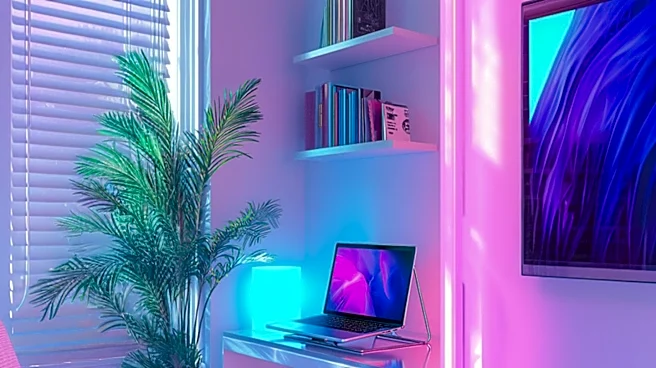
The trend towards optimizing home office setups is expected to continue, with a focus on integrating smart technology and adaptable furniture. Future developments will likely include more sophisticated cable management solutions, further advancements in ergonomic designs for chairs and desks, and the increased adoption of multi-functional furniture that can transform spaces. Smart lighting systems, which can be programmed to shift ambiance between work and leisure, will become more prevalent, helping to create distinct psychological boundaries. There will also be a continued emphasis on wireless peripherals to reduce clutter and enhance flexibility. As remote and hybrid work models evolve, businesses may increasingly offer stipends or guidance for employees to invest in proper home office equipment, recognizing the direct link between a well-designed workspace and employee performance and well-being. The market will likely see more modular and customizable solutions to cater to diverse living situations and work requirements.
Beyond the Headlines
Beyond the immediate benefits of productivity and comfort, the evolution of home office setups touches upon deeper societal and cultural shifts. The blurring lines between work and personal life, exacerbated by remote work, necessitate intentional design choices that support mental health and work-life balance. The emphasis on 'disappearing' offices reflects a broader desire to reclaim personal space and time, preventing work from encroaching on every aspect of home life. This trend also highlights a growing consumer awareness of ergonomics and well-being, pushing manufacturers to innovate beyond basic functionality. Furthermore, the increased demand for sustainable and ethically produced home office solutions could drive changes in manufacturing practices. The long-term impact could reshape urban planning, as less reliance on traditional office spaces might lead to different housing demands and community designs that better support integrated living and working environments, fostering a more balanced and adaptable society.