

What's Happening?
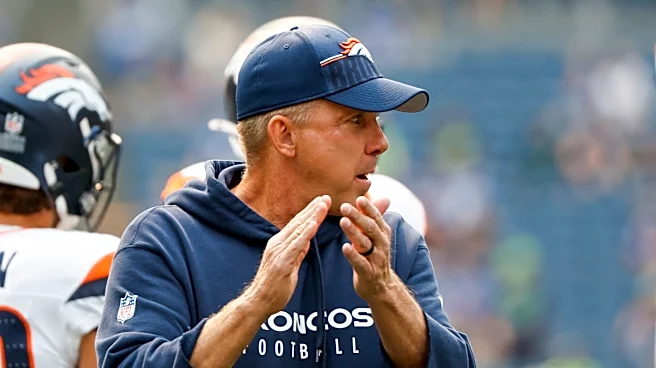
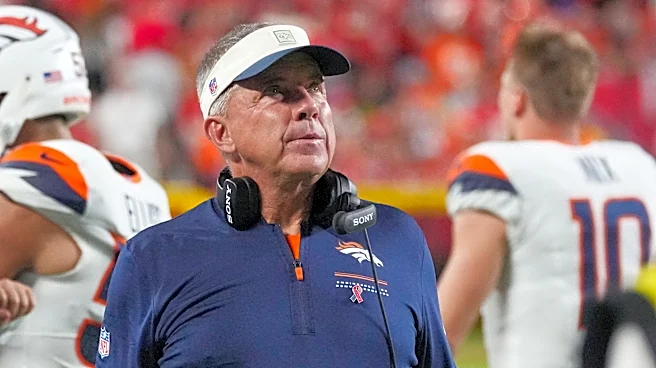
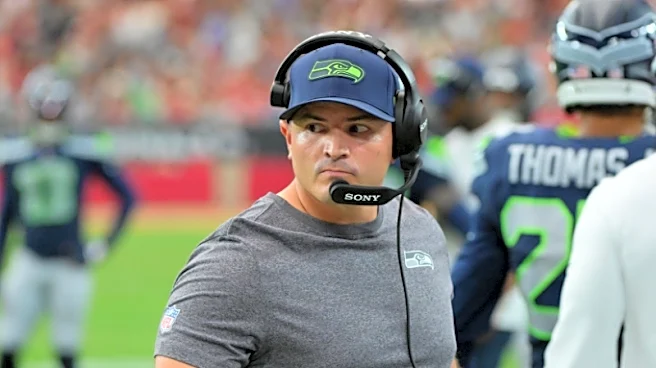
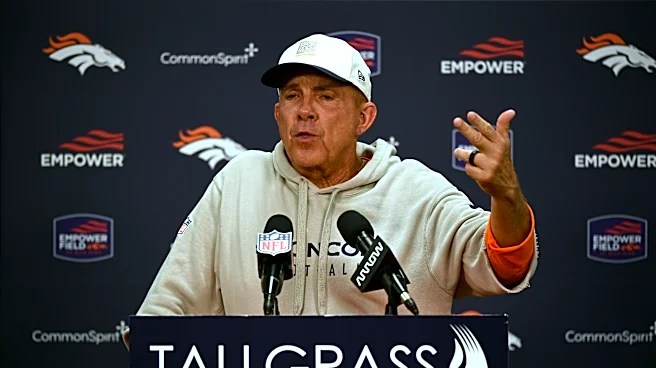
Seattle Seahawks head coach Mike Macdonald recently addressed a past incident where Denver Broncos coach Sean Payton accused the Seahawks of cheating. The accusation stemmed from the Seahawks scouting plays from Broncos training camp that fans had posted
on social media. Macdonald revealed this information during an interview, stating that Payton believed Seattle had a 'plant' at practice and threatened to make the accusations public, drawing comparisons to the Patriots' 'Spygate' scandal. Macdonald clarified that the Seahawks had simply utilized publicly available information. The situation escalated to the point where the Seahawks threatened legal action if Payton went public with his claims, asserting that the allegations were untrue. Ultimately, Payton did not pursue the public accusation, and the conflict de-escalated without either side taking further action. Macdonald later apologized for the clip of his interview going viral, explaining that he believed his comments were informal and off-the-record at the time.
Why It's Important?
This incident highlights the intense competitive environment within professional sports and the lengths to which teams go to gain an advantage, even if it involves scrutinizing publicly available content. The accusation of cheating, particularly with a comparison to 'Spygate,' carries significant weight and can damage a team's reputation and the integrity of the sport. The use of social media by fans to post training camp footage introduces a new dynamic to scouting, blurring the lines between public information and proprietary team strategies. This event underscores the need for clear guidelines regarding what constitutes acceptable scouting practices in the digital age. The potential for legal action also demonstrates the serious implications of such accusations, impacting team relationships and potentially leading to formal disputes within the league.
What's Next?
While the immediate conflict between the Seahawks and Broncos has subsided, the incident may prompt the NFL to review its policies regarding the use of publicly available social media content for scouting purposes. The league might consider issuing clearer guidelines to prevent similar disputes in the future, potentially addressing what information is fair game for analysis and what crosses into unethical territory. The public nature of this revelation could also influence future interactions between coaches Macdonald and Payton, potentially adding an extra layer of tension to their professional relationship. Other teams might also become more cautious about what information is shared or becomes public during their training camps, leading to stricter internal policies regarding fan access and social media use.
Beyond the Headlines
This situation delves into the ethical considerations of information gathering in competitive sports. While the Seahawks used publicly posted fan videos, the perception of 'cheating' by the opposing coach raises questions about the spirit of competition versus strict adherence to rules. It also reflects the broader impact of social media on traditional institutions, where casual posts can inadvertently become strategic intelligence. The incident could spark a wider discussion within professional sports leagues about the evolving landscape of information access and the need to adapt regulations to modern technological capabilities. It also touches upon the delicate balance between transparency and proprietary information in a highly competitive and public industry.