



What's Happening?
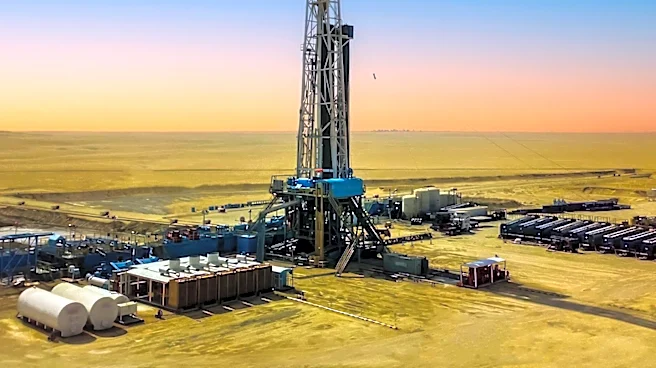
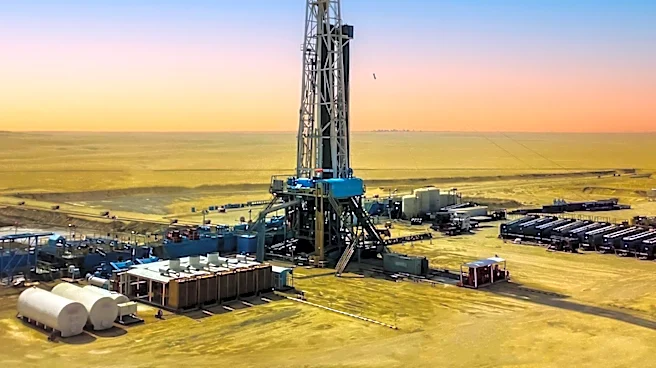
Egypt is targeting a fourfold increase in gas production at its Obaiyed H-18 well in the Western Desert, aiming to boost output from approximately 3 million to 12 million cubic feet per day. This ambitious goal will be achieved through the implementation
of multistage hydraulic fracturing and horizontal drilling technologies. Minister of Petroleum and Mineral Resources Karim Badawi announced this initiative during an inspection of operations at the well, which is operated by Badr El-Din Petroleum Company (Bapetco). The well had previously experienced reduced output due to technical challenges, which conventional methods failed to resolve. This effort is part of a broader five-year plan by the petroleum sector to enhance oil and gas production, optimize resource utilization, and counteract natural declines in existing fields. The ministry is collaborating with international service and technology companies, including Houston-based National Energy Services Reunited Corp. (NESR), SLB, and Halliburton, to expand the use of these advanced drilling techniques across Egypt's oil and gas fields.
Why It's Important?
The adoption of hydraulic fracturing and horizontal drilling technologies is crucial for Egypt's energy sector, as these methods have proven effective in increasing production rates and accessing previously uneconomical resources. The initiative seeks to improve existing wells, revive those with declining output, and develop unconventional resources, potentially adding between 50,000 and 100,000 barrels per day to Egypt’s oil production. This strategic move could significantly bolster Egypt's energy independence and economic stability by maximizing its hydrocarbon reserves. The involvement of U.S.-based energy service providers like NESR, SLB, and Halliburton highlights the global impact of American energy technology and expertise. For these companies, it represents a substantial business opportunity and a chance to expand their international footprint, contributing to their revenue and market share. The success of this project could also serve as a model for other countries looking to enhance their energy production through advanced techniques, further solidifying the role of U.S. technology in the global energy landscape.
What's Next?
The next phase of this initiative involves extending studies and implementation across both onshore and offshore areas in Egypt. Technical assessments and contractual procedures for additional prospective projects are being finalized, with initial study results anticipated progressively during the third quarter of fiscal year 2026/2027. The Egyptian General Petroleum Corporation (EGPC), under the ministry's supervision, is coordinating the work program, reviewing technical data from 38 production companies to identify suitable wells and reservoirs. Furthermore, the ministry is developing economic models and investment incentives, including performance-based contracts and integrated service agreements, to encourage wider adoption of these technologies. These measures aim to improve spending efficiency, shorten implementation schedules, and distribute project risks more evenly among participants, ensuring the long-term sustainability and success of Egypt's enhanced oil and gas production efforts.
Beyond the Headlines
The strategic shift towards advanced drilling technologies in Egypt underscores a broader global trend in the energy sector: the increasing reliance on innovation to unlock previously inaccessible or uneconomical hydrocarbon resources. This move not only addresses Egypt's immediate energy needs but also positions it as a more significant player in the regional and international energy markets. The collaboration with U.S. energy technology companies highlights the intricate web of international partnerships that drive global energy production, often transcending geopolitical considerations in pursuit of economic and energy security. However, the increased use of hydraulic fracturing also raises environmental considerations, such as water usage and potential seismic activity, which will require careful monitoring and regulatory oversight. The long-term implications for Egypt's environmental policy and its commitment to sustainable development will be a critical aspect to watch as these projects progress.