


What's Happening?
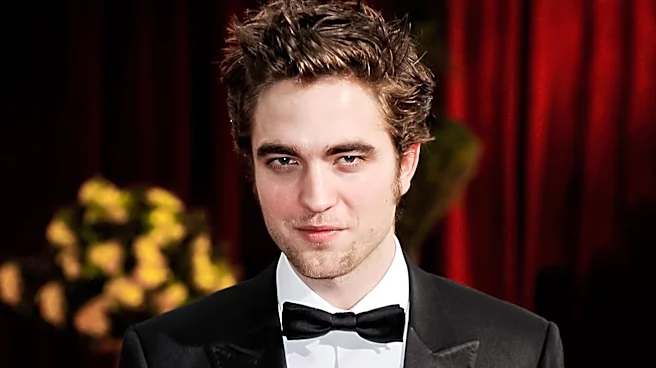
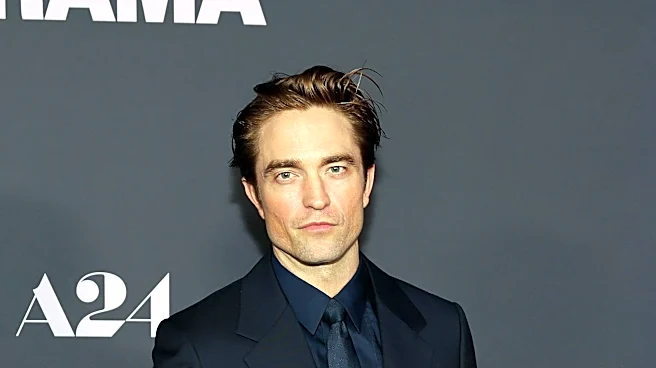
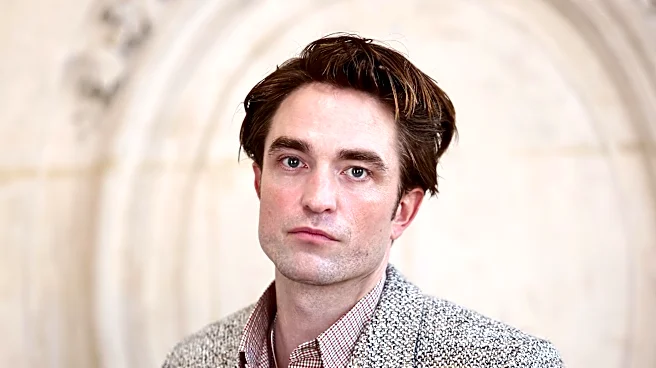
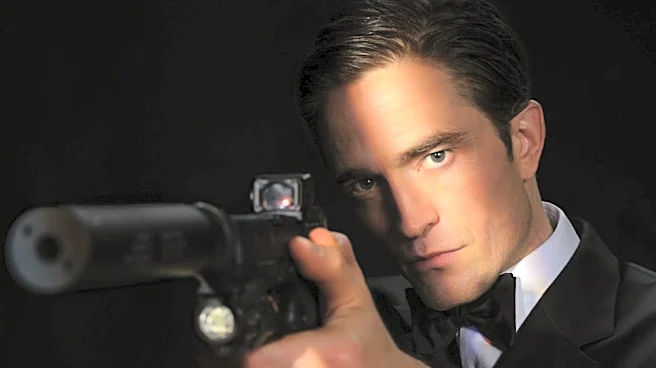
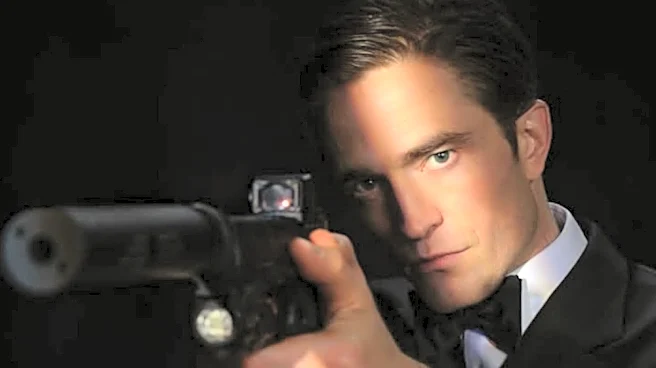
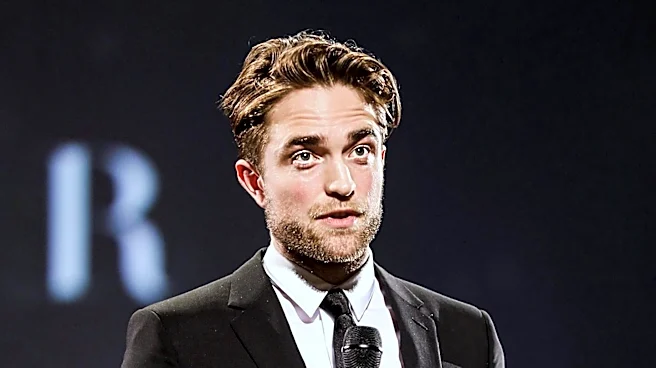
Piers Morgan, the host of 'Uncensored,' has publicly expressed his strong disapproval of Robert Pattinson being cast as the new James Bond. Following the official announcement on November 17 by the 007 Twitter account, Morgan took to social media to share
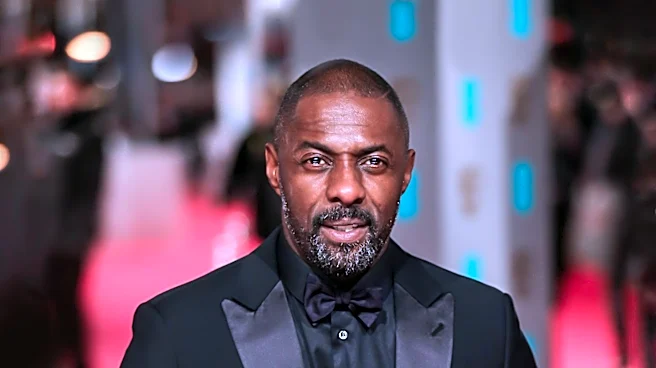
his opinion. He stated that Pattinson would only be a suitable James Bond if the character reverts to his traditional portrayal as a 'hard-drinking, rampant-womanizing, ruthless, steely-eyed dealer of death who kills the bad guys.' Morgan explicitly warned against a 'woke 'vulnerable' cry-baby who ends up dying,' a comment that some viewers interpreted as a critique of Daniel Craig's recent portrayal of Bond. This sentiment was echoed by some online commenters who agreed with Morgan's view that the character should remain as Ian Fleming originally wrote him, expressing concern over what they perceive as increasing effeminacy in male characters. The debate around Pattinson's casting also follows earlier controversy on a U.S. talk show, 'The View,' where host Sunny Hostin voiced disappointment that a Black actor, specifically Idris Elba, was not chosen for the role, sparking further online discussion.
Why It's Important?
Piers Morgan's comments highlight a significant cultural debate surrounding the evolution of iconic fictional characters in contemporary media. His stance reflects a segment of the audience that prefers traditional interpretations of characters like James Bond, resisting changes that they perceive as 'woke' or deviating from original source material. This perspective often clashes with calls for more diverse and modern portrayals that reflect changing societal values. The discussion around Robert Pattinson's casting, and Morgan's reaction to it, underscores the tension between preserving established character traits and adapting them for new generations. For the film franchise, such strong opinions from public figures can influence audience reception and box office performance, as fan expectations are often deeply rooted in previous iterations of the character. The broader implications touch upon how Hollywood balances creative freedom with audience expectations and the ongoing discourse about representation and traditionalism in popular culture.
What's Next?
The casting of Robert Pattinson as James Bond is likely to continue generating discussion as production for the next film progresses. Future developments will include further casting announcements, plot details, and promotional materials, all of which will be scrutinized by both supporters and critics of the new direction. The filmmakers and Amazon MGM, which now owns the franchise, will face the challenge of navigating these diverse audience expectations. They will need to decide whether to lean into a more traditional portrayal as advocated by figures like Piers Morgan, or to embrace a more contemporary interpretation of the character. The performance of the next James Bond film at the box office and its critical reception will be a key indicator of whether this casting decision and the chosen direction resonate with a broad audience, potentially influencing future decisions for long-running franchises.
Beyond the Headlines
The controversy surrounding Robert Pattinson's casting and Piers Morgan's critique extends beyond mere casting preferences, touching upon deeper cultural anxieties about masculinity, tradition, and societal change. Morgan's use of terms like 'woke' and 'cry-baby' reflects a broader cultural pushback against perceived shifts in gender roles and character archetypes in media. This debate highlights a generational and ideological divide in how audiences consume and interpret popular culture. The James Bond franchise, as a global cultural phenomenon, often becomes a battleground for these discussions, symbolizing different ideals of heroism and masculinity. The long-term implications could see a continued polarization of audience preferences, where some viewers actively seek out media that reinforces traditional values, while others champion progressive portrayals. This dynamic influences not only casting decisions but also storytelling approaches, potentially leading to a more fragmented media landscape where content is increasingly tailored to specific ideological segments.