







What's Happening?
Xcel Energy Inc. (XEL), a Minneapolis-based electric and natural gas utility company with a market capitalization of $47.2 billion, has demonstrated outperformance within the utility sector. The company, which serves 3.4 million electricity and 1.9 million natural gas customers
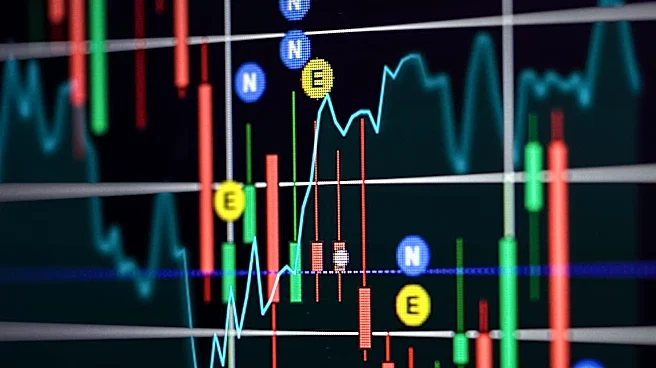
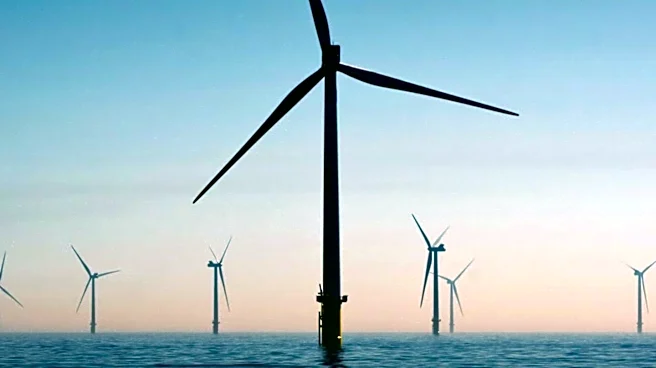
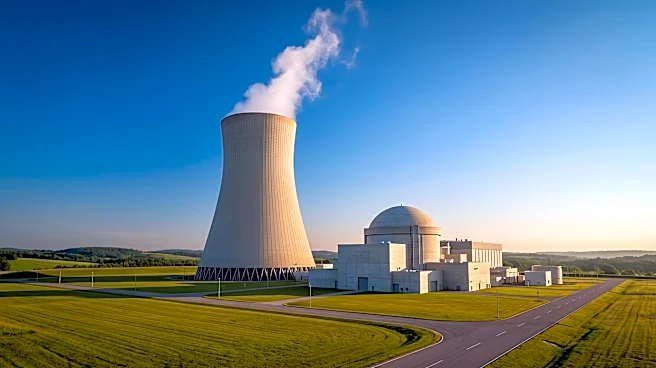
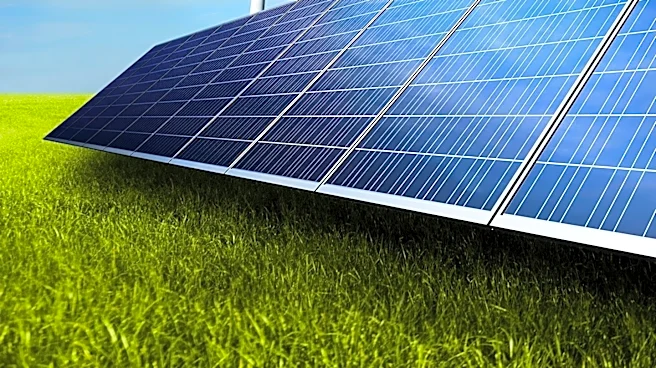
across eight Western and Midwestern states, has seen its stock gain 2.2% year-to-date. This contrasts with a marginal decline in the State Street Utilities Select Sector SPDR ETF (XLU) over the same period. Over the past 52 weeks, XEL stock has returned 3.6%, while XLU experienced a slight dip. Despite a recent 10.7% dip from its 52-week high of $84.23, Xcel Energy's shares have only fallen 3.5% in the last three months, a milder decrease compared to XLU's 3.8% decline. The company generates and distributes electricity from a diverse portfolio including wind, nuclear, hydroelectric, biomass, solar, coal, and natural gas, and is actively investing in energy infrastructure, natural gas pipelines, and community solar projects.
Why It's Important?
Xcel Energy's strong performance is significant as it highlights the growing investor confidence in utilities that are strategically positioned to benefit from evolving energy demands and clean energy transitions. The company's outperformance is attributed to several factors, including rising electricity demand driven by artificial intelligence, data centers, increased industrial activity, and electrification efforts. These trends are strengthening expectations for sustained rate-base and earnings growth for Xcel Energy. Furthermore, the company's expanding investments in clean energy, life extensions for nuclear facilities, major customer contracts, and a growing capital plan are enhancing its growth prospects. This performance also underscores the defensive appeal of regulated utilities, particularly those demonstrating a clear path toward sustainable growth and modernization. The positive analyst sentiment, with a consensus 'Strong Buy' rating and a mean price target of $92, suggests that market experts anticipate continued upside for Xcel Energy, offering a premium of 21.9% to current levels.
What's Next?
Xcel Energy is expected to continue its strategic investments in clean energy and infrastructure to meet the increasing electricity demand. The company's focus on diversifying its energy generation portfolio, including solar and storage, indicates a commitment to long-term sustainability and operational resilience. Future developments will likely involve further expansion of renewable generation projects and continued modernization of its grid infrastructure. The company's ongoing efforts to attract talent for roles such as Plant Director for Renewable Generation-Solar & Storage and various internships in business operations and engineering suggest a proactive approach to workforce development to support its growth initiatives. Xcel Energy's emphasis on community relations and engagement also points to continued efforts in fostering positive relationships with the communities it serves, which is crucial for securing project approvals and maintaining public trust.
Beyond the Headlines
The sustained outperformance of Xcel Energy in the utility sector points to a broader shift in investor priorities, favoring companies that are not only stable but also actively contributing to the energy transition. This trend suggests that utilities embracing renewable energy and advanced infrastructure are increasingly seen as more resilient and growth-oriented. The rising demand from sectors like AI and data centers highlights an unforeseen but significant driver for electricity consumption, potentially accelerating the need for robust and diversified energy grids. Xcel Energy's commitment to diversity, equity, and inclusion in its hiring practices also reflects a growing corporate responsibility trend, aiming to build a more inclusive workforce. This holistic approach, combining financial performance with environmental and social considerations, could set a precedent for other large-cap utilities navigating the complexities of modern energy markets.