









What's Happening?
A recent column by Nicholas Purcell delves into the lasting effects of dysfunctional childhoods on adult relationships. The article highlights the story of Oliver, a man raised by a narcissistic mother and an avoidant father, who struggled with similar
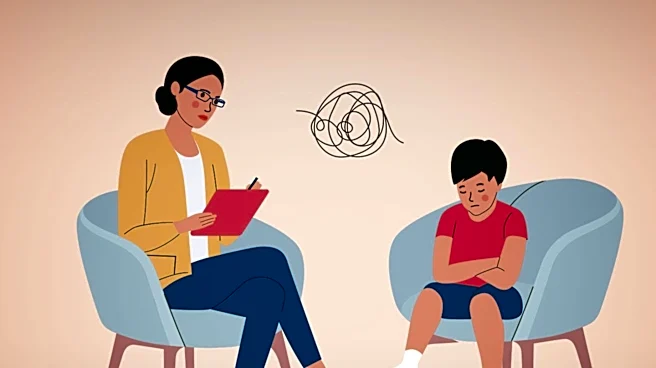
traits in his own relationships. Oliver's journey to therapy was prompted by a breakup, which forced him to confront the unhealthy patterns he had inherited from his parents. The narrative underscores how individuals often unconsciously replicate the dynamics of their upbringing, leading to challenges in forming healthy adult relationships. The column also discusses the broader issue of covert dysfunction in families, which can go unrecognized until a significant life event or external intervention prompts reflection.
Why It's Important?
Understanding the impact of childhood experiences on adult behavior is crucial for mental health professionals and individuals alike. The insights provided in the column emphasize the importance of therapy in breaking cycles of dysfunction and fostering healthier relationships. This awareness can lead to more effective therapeutic interventions and support systems for those affected by similar issues. Additionally, the article sheds light on the societal need to address and support mental health, particularly in recognizing and treating the subtle, often invisible scars left by dysfunctional family dynamics. This understanding can contribute to better mental health outcomes and improved relationship dynamics across society.
What's Next?
For individuals like Oliver, the path forward involves continued therapy and self-reflection to unlearn inherited behaviors and develop healthier relationship patterns. On a broader scale, the article suggests a need for increased awareness and resources for mental health support, particularly in recognizing the signs of covert family dysfunction. Mental health professionals may focus on developing strategies to help clients identify and address these issues. Additionally, public health initiatives could aim to educate the public about the long-term effects of childhood experiences on adult mental health and relationships.
Beyond the Headlines
The column touches on the deeper implications of inherited family dynamics, highlighting the challenge of recognizing and addressing covert dysfunction. It raises ethical considerations about the responsibility of parents and society in nurturing emotionally healthy environments for children. The narrative also suggests a cultural shift towards greater acceptance of therapy and mental health support as essential components of personal growth and relationship health. This shift could lead to a more open dialogue about mental health and a reduction in the stigma associated with seeking help.