

What's Happening?
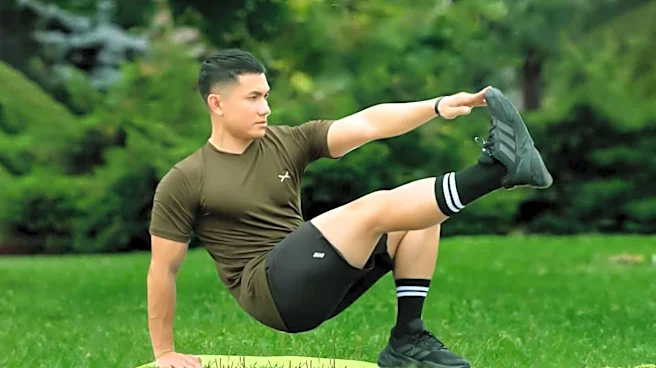
Pilates, traditionally perceived as a female-centric workout, is increasingly being adopted by men, including elite athletes like LeBron James, Tom Brady, and Cristiano Ronaldo. This shift is driven by the method's proven benefits in improving mobility,
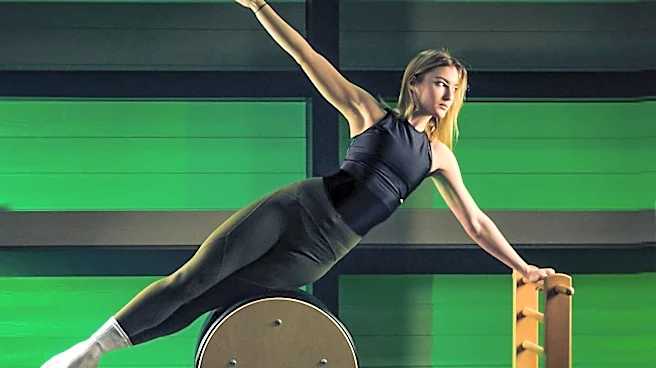
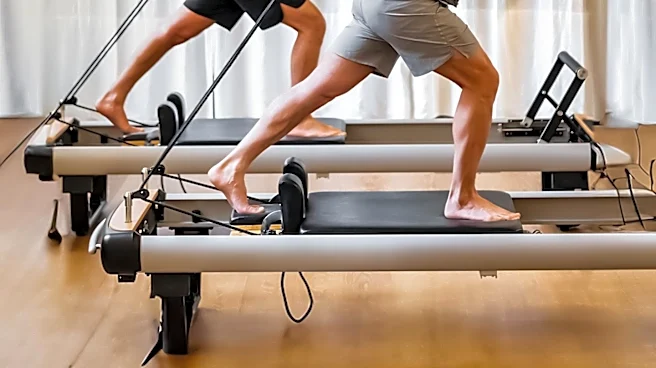
building strength, and supporting long-term athletic performance. The practice, originally developed by Joseph Pilates, focuses on core strength, flexibility, control, and rehabilitation. Modern Reformer Pilates, as offered by BODYBAR, utilizes a spring-based resistance system to provide full-body workouts that challenge muscles through controlled, deliberate movements. This approach helps men, even those with limited flexibility, to enhance their range of motion, muscular endurance, and overall physical capabilities without high-impact stress on joints. The workouts are designed to be challenging, engaging deep abdominal muscles, back, and hips, which are crucial for stability and everyday movement.
Why It's Important?
The growing male engagement in Pilates signifies a broader recognition of its comprehensive physical benefits beyond traditional strength training. For athletes, incorporating Pilates can lead to improved core stability, balance, coordination, and mobility, which are vital for excelling in various sports and reducing injury risk. For the general male population, especially those with sedentary lifestyles or focusing solely on strength training, Pilates offers a way to address common issues like tight hips, stiff shoulders, and limited mobility. This can translate into better posture, enhanced balance, and greater ease in daily activities. The low-impact nature of Reformer Pilates also makes it an attractive option for building muscular endurance without the repetitive strain on joints, promoting long-term physical health and longevity.
What's Next?
As awareness of Pilates' benefits for men continues to spread, it is anticipated that more fitness centers and studios will see an increase in male participation. This trend could lead to the development of more male-focused Pilates programs and classes, further destigmatizing the practice. Athletes and fitness enthusiasts are likely to continue integrating Pilates into their training regimens as a complementary workout to improve overall physical conditioning and prevent injuries. The emphasis on body awareness and alignment in Pilates may also encourage a more holistic approach to fitness, where flexibility and mobility are valued as much as strength and endurance. This could lead to a broader shift in how men approach their fitness routines, prioritizing functional movement and long-term well-being.
Beyond the Headlines
The increasing acceptance of Pilates among men challenges traditional gender stereotypes in fitness, promoting a more inclusive view of exercise. Historically, certain fitness activities have been gendered, limiting participation and perpetuating misconceptions about their benefits. The embrace of Pilates by male athletes and the general public highlights a cultural shift towards valuing comprehensive physical health over narrow definitions of strength or masculinity. This development could encourage men to explore a wider range of fitness modalities, fostering a more balanced and sustainable approach to physical well-being. It also underscores the importance of functional fitness, where the ability to move comfortably and efficiently in everyday life is prioritized alongside aesthetic or performance goals.