






What's Happening?
Researchers at MIT, led by Ju Li, are advancing the development of sodium-metal batteries as a potential alternative to lithium-ion batteries. Sodium is significantly more abundant and cost-effective than lithium, making it an attractive option for energy
storage systems. However, sodium's high reactivity poses challenges for achieving long-term stability and fast cycling in batteries. The MIT team has focused on finding suitable electrolytes that can stabilize sodium-metal batteries. Their recent study, published in the journal Joule, highlights the discovery of a solvent called DMFSA, which offers improved stability and performance. This research not only aims to enhance sodium batteries but also introduces a new approach to electrolyte design that could influence future energy storage technologies.
Why It's Important?
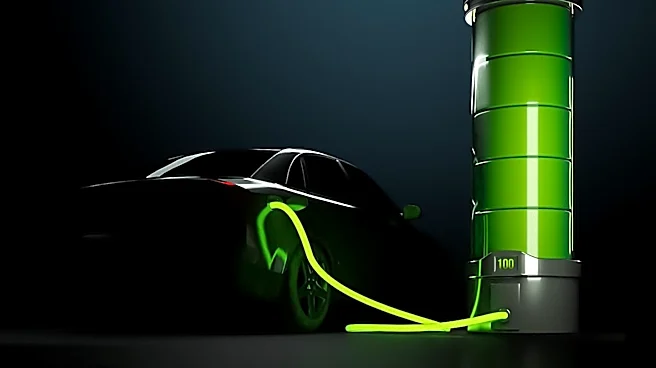
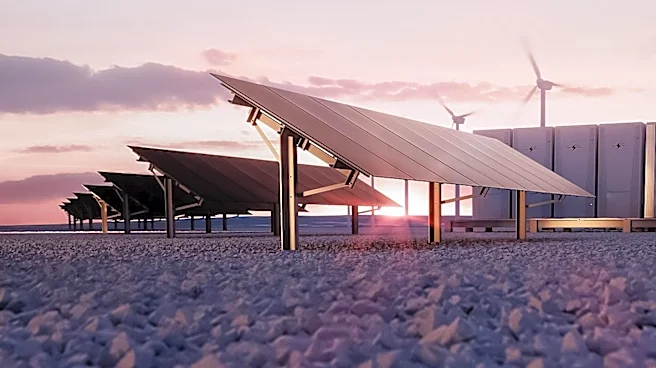
The development of sodium-metal batteries is significant due to the increasing demand for low-cost, resource-abundant energy storage solutions. As the global reliance on renewable energy and electrified infrastructure grows, the need for efficient and stable batteries becomes critical. Sodium-metal batteries, with their cost advantages and abundance, could play a crucial role in meeting this demand. The research conducted by MIT could lead to more sustainable and economically viable energy storage options, reducing dependency on critical minerals like lithium, cobalt, and nickel. This advancement has the potential to impact various industries, including electric vehicles and renewable energy, by providing a more accessible and stable energy storage solution.
What's Next?
The MIT research team plans to continue their search for even better solvents, using DMFSA as a starting point. Their ongoing work aims to further improve the performance and stability of sodium-metal batteries, potentially leading to broader applications in energy storage. The success of this research could encourage other institutions and companies to explore similar approaches, accelerating the development of alternative battery technologies. As the demand for efficient energy storage solutions continues to rise, advancements in sodium-metal batteries could significantly impact the market, offering a viable alternative to traditional lithium-ion batteries.
Beyond the Headlines
The implications of this research extend beyond the immediate benefits of sodium-metal batteries. The new approach to electrolyte design, focusing on solvent size and molecular similarity, could revolutionize the way future energy storage technologies are developed. This methodology may lead to innovations in other types of batteries, enhancing their performance and stability. Additionally, the shift towards more abundant and cost-effective materials like sodium could alleviate some of the geopolitical and economic pressures associated with the supply of critical minerals. This research highlights the importance of interdisciplinary collaboration and innovation in addressing global energy challenges.