







What's Happening?
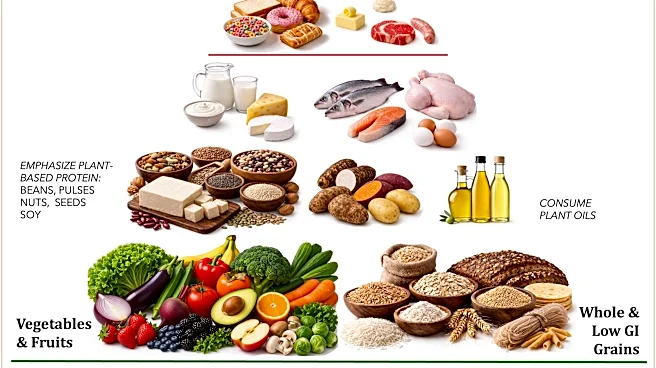
To maintain optimal gut health, nutritionists and dietitians recommend significantly reducing the intake of ultra-processed foods, refined sugar, fried foods, and refined grains. These food categories are often high in calories, sodium, and additives
that can disrupt the delicate balance of the gut microbiome. Artificial sweeteners, despite being calorie-free, have also been identified as negatively impacting gut bacteria diversity. Additionally, excessive consumption of saturated fats and alcohol can contribute to gut inflammation and decrease the presence of beneficial microorganisms. The gut microbiome, a complex ecosystem of trillions of microorganisms including bacteria, viruses, and fungi, plays a crucial role in overall well-being, influencing digestion, mood, cognitive performance, immune function, weight management, and energy levels. Seasonal changes, particularly in autumn and winter, can lead to shifts in eating habits towards heavier comfort foods, which may be higher in ultra-processed ingredients and lower in fiber, potentially causing digestive issues and reducing gut diversity. Reduced daylight hours in colder months also affect circadian rhythms, impacting both sleep and the gut microbiome's 24-hour cycle.
Why It's Important?
The recommendations to limit certain foods are vital for public health as they directly impact the gut microbiome, which is increasingly recognized as a cornerstone of overall health. A disrupted gut microbiome can lead to a range of issues, from digestive problems like constipation to broader impacts on immune function, mental well-being, and energy levels. The shift towards comfort foods in colder months, often rich in ingredients detrimental to gut health, can exacerbate these problems, potentially leading to increased susceptibility to illnesses like colds and flu due to a weakened immune system. Understanding and acting on these dietary guidelines can empower individuals to make informed choices that support their digestive health and overall vitality, especially during seasonal transitions when dietary habits and environmental factors can negatively influence gut balance. This guidance is particularly relevant in the U.S., where ultra-processed foods are a significant part of many diets, contributing to widespread health concerns.
What's Next?
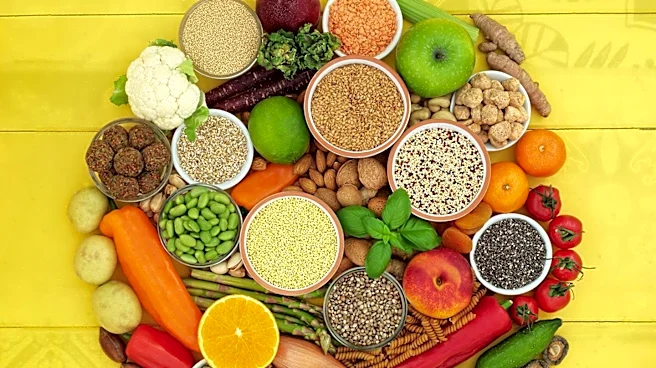
Individuals are encouraged to actively adjust their dietary habits by reducing consumption of ultra-processed foods, refined sugars, and excessive saturated fats and alcohol. Instead, there will be a continued emphasis on incorporating a diverse range of plant-based foods, including legumes, nuts, seeds, whole grains, fruits, vegetables, herbs, and spices, which provide essential fibers and polyphenols to nourish beneficial gut bacteria. Public health campaigns and nutritional guidance may further highlight the importance of seasonal eating and the benefits of fermented foods like sauerkraut and kimchi. As research into the gut microbiome advances, there may be more specific recommendations regarding probiotic strains and dietary interventions tailored to individual needs or seasonal changes. Consumers might also see an increase in products marketed for gut health, though expert advice emphasizes whole foods over supplements as a primary strategy.
Beyond the Headlines
The focus on gut health extends beyond mere digestion, touching upon broader implications for mental health, chronic disease prevention, and even the understanding of human physiology. The intricate connection between the gut microbiome and various bodily systems suggests that dietary choices have far-reaching effects, influencing everything from mood regulation to immune response. This understanding challenges traditional views of health, emphasizing a holistic approach where diet is a primary tool for maintaining well-being. The prevalence of ultra-processed foods in modern diets, particularly in the U.S., highlights a significant public health challenge that requires systemic changes in food production and consumer education. Addressing these dietary patterns could lead to long-term reductions in the incidence of diet-related diseases and an overall improvement in quality of life, underscoring the ethical and societal responsibility to promote healthier eating habits.