




What's Happening?
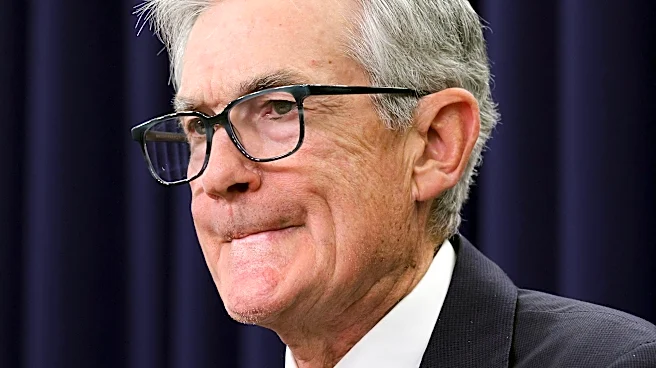
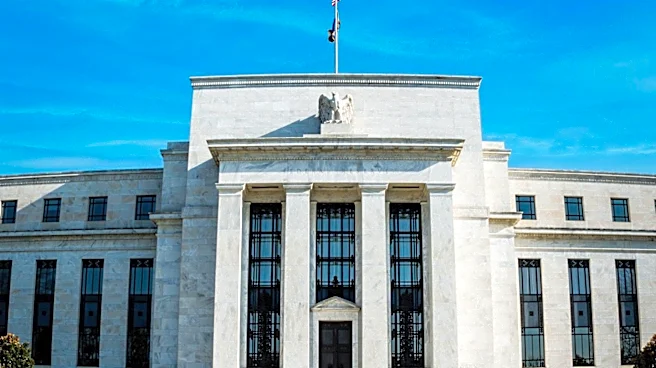
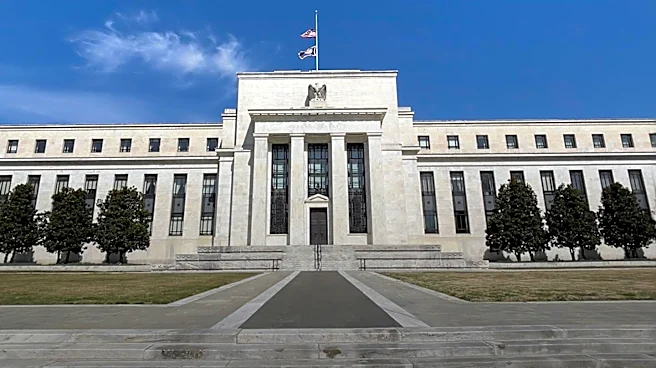
Federal Reserve Chairman Kevin Warsh, who assumed his role in May 2026, oversaw the central bank's decision to raise the Fed Funds rate by 25 basis points at the September 2026 Federal Open Market Committee (FOMC) meeting. This marks the first rate hike
in three years. The Fed had previously expressed concerns about inflation trends but maintained policy at the June and July FOMC meetings. The decision to raise rates in September came as the fixed-income market signaled a need for higher rates due to worsening inflation. Despite this, the Fed opted to hold steady at the October 2026 FOMC meeting, which concluded just before the midterm elections. Chairman Warsh has indicated a preference for the fixed-income market to drive Fed policy, a shift from past practices where Fed commentary often influenced the market. Energy prices have begun to inch lower as traffic through the Strait of Hormuz approaches pre-war levels, and interest rates saw a slight decrease in October after a sharp rise in September.
Why It's Important?
This rate hike signifies a pivotal shift in the Federal Reserve's monetary policy, directly impacting borrowing costs for consumers and businesses across the U.S. The increase in the Fed Funds rate will likely lead to higher interest rates on loans, mortgages, and credit cards, potentially cooling consumer spending and business investment. For industries reliant on borrowing, such as real estate and manufacturing, this could translate to increased operational costs and slower growth. The Fed's move reflects a proactive stance against persistent inflation, which has been a growing concern for both businesses and consumers. The emphasis on allowing the fixed-income market to guide policy suggests a more market-driven approach to monetary management, which could lead to greater volatility or stability depending on market sentiment. This policy change aims to stabilize prices, but it also carries the risk of slowing economic growth, creating a delicate balance for the U.S. economy.
What's Next?
Argus Fixed Income Strategist Kevin Heal anticipates a second rate hike by the Federal Reserve in 2026, likely a quarter-point increase at the December FOMC meeting. This projection is influenced by the September nonfarm payroll data, which was weaker than expected, and energy prices moving off their peak, reducing immediate pressure for a hike in October. The proximity of the midterm elections also made a policy change politically unpalatable in October. For 2027, the monetary policy outlook remains uncertain, but Heal foresees the potential for one rate cut, contingent on war-related inflation slowing to the Fed's 2% target. Market participants will closely monitor upcoming economic data, particularly inflation reports and employment figures, to gauge the likelihood and timing of future rate adjustments. Businesses and consumers should prepare for potentially higher borrowing costs in the short term, with a possibility of some relief in the following year if inflation moderates.
Beyond the Headlines
The Federal Reserve's shift towards allowing the fixed-income market to drive policy represents a significant philosophical change in central banking. This approach could foster greater market efficiency and reduce the perception of the Fed as an overly interventionist body. However, it also places more responsibility on market participants to accurately price in economic conditions and inflation expectations, potentially leading to increased market volatility if sentiment shifts rapidly. The ongoing geopolitical situation, particularly the war in the Middle East and its impact on energy prices, remains a critical external factor influencing inflation and, consequently, the Fed's decisions. The interplay between domestic economic indicators, global events, and the Fed's evolving policy framework will shape the U.S. economic landscape, potentially leading to a new era of monetary policy where market signals play a more dominant role in interest rate decisions.