






What's Happening?
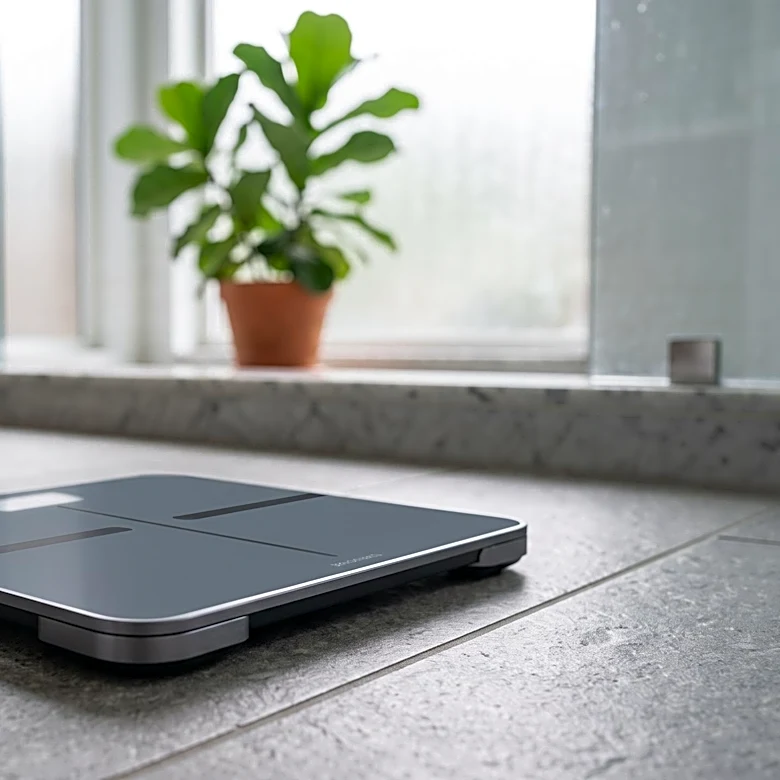
The Medisana BS 444 Smart Scale is designed for regular household monitoring, offering recognition for up to eight users. This body composition scale integrates with the VitaDock+ app, which is compatible with both iOS and Android devices. It also allows
for synchronization with selected digital health services. The scale has a capacity of 180 kg and includes recalibration instructions to minimize common errors during repeated use, especially after being moved. The primary benefit of this scale lies in its ability to provide detailed body composition data beyond just weight, such as BMI, body fat, and muscle mass, which can be tracked over time through its app. The scale comes with batteries included, ensuring immediate usability upon purchase. Its features are geared towards users who want to monitor their health metrics consistently and conveniently within a family setting.
Why It's Important?
The increasing adoption of smart health devices like the Medisana BS 444 Smart Scale reflects a broader trend in the U.S. towards personalized health management and preventative care. For individuals and families, these scales offer an accessible way to track various health indicators, potentially leading to earlier detection of health issues or more informed lifestyle choices. The ability to monitor metrics like body fat and muscle mass, rather than just weight, provides a more holistic view of health, which can be particularly beneficial for those managing chronic conditions or pursuing fitness goals. The integration with health apps and digital services also aligns with the growing ecosystem of connected health, enabling users to centralize their health data and potentially share it with healthcare providers for more comprehensive care. This shift empowers consumers with more data about their bodies, fostering a proactive approach to well-being and potentially reducing healthcare costs in the long run by encouraging healthier habits.
What's Next?
As smart scale technology continues to evolve, future developments are likely to focus on enhanced accuracy, broader compatibility with diverse health platforms, and more sophisticated data analysis. We can expect to see further integration with other smart home devices and wearable technology, creating a more seamless and interconnected health monitoring experience. Manufacturers may also introduce more advanced sensor technologies to provide even more precise body composition measurements and potentially new health metrics. The emphasis will likely be on user-friendly interfaces and actionable insights, making it easier for individuals to understand their data and make informed decisions. Additionally, there could be an increase in scales offering personalized coaching or recommendations based on the collected data, further blurring the lines between a simple weighing device and a comprehensive health assistant. The market will likely see continued competition, driving innovation and making these devices more affordable and accessible to a wider U.S. demographic.
Beyond the Headlines
The proliferation of smart scales like the Medisana BS 444 raises important considerations regarding data privacy and security. As these devices collect sensitive personal health information, ensuring the secure storage and transmission of this data becomes paramount. Users must trust that their health metrics are protected from unauthorized access and misuse. Furthermore, the reliance on app compatibility and Bluetooth connectivity highlights the growing dependence on technology for personal health management, which could create a digital divide for those without access to smartphones or reliable internet. There's also a psychological aspect to consider: while detailed health data can be empowering, it can also lead to obsessive tracking or anxiety for some individuals. The ethical implications of how this data is used by manufacturers, advertisers, or even insurance companies will become increasingly relevant. The trend towards self-monitoring also shifts some responsibility for health management from healthcare professionals to individuals, necessitating a balance between personal autonomy and professional medical guidance.