







What's Happening?
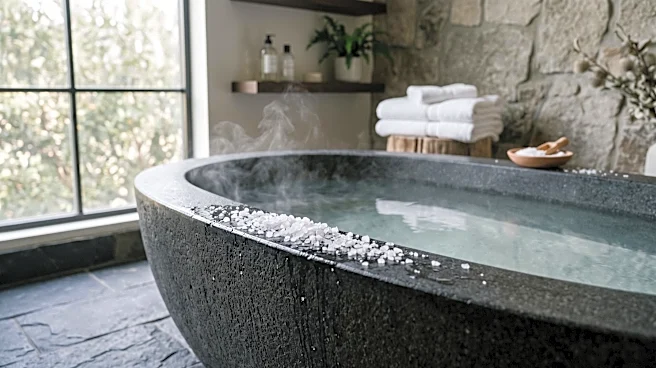
Epsom salt, chemically known as magnesium sulfate, dissolves completely in warm bathwater, separating into magnesium and sulfate ions. However, scientific evidence indicates that meaningful absorption of magnesium through intact skin during an Epsom salt bath does
not occur. The primary benefits attributed to Epsom salt baths, such as muscle relaxation, eased joints, and improved sleep, are largely due to the warm water itself. Warm water widens blood vessels, relaxes muscle tissue, and provides buoyancy, which alleviates pressure on joints. While magnesium is an essential mineral, the skin's outer layer effectively blocks charged particles like magnesium ions from entering the bloodstream. Therefore, the therapeutic effects are mainly derived from the physical properties of warm water and the ritual of bathing, rather than transdermal magnesium absorption.
Why It's Important?
This clarification is important for consumers and healthcare providers as it demystifies the claims surrounding Epsom salt baths. Understanding that the benefits primarily stem from warm water, rather than magnesium absorption, allows individuals to make informed decisions about their health and wellness practices. It challenges marketing narratives that often overstate the transdermal absorption of magnesium. For those seeking to increase their magnesium intake, the reliable route remains dietary sources like leafy greens, nuts, and whole grains. This information helps to manage expectations and ensures that people do not rely on Epsom salt baths for medical conditions that require actual magnesium supplementation or other treatments, thereby promoting evidence-based health choices.
What's Next?
The ongoing scientific scrutiny of wellness products will likely continue to emphasize evidence-based benefits over anecdotal claims. Consumers may become more discerning, seeking products and practices supported by rigorous research. Healthcare professionals will continue to educate patients on effective ways to address magnesium deficiencies and muscle soreness, distinguishing between the comfort provided by warm baths and the physiological effects of mineral absorption. This understanding could lead to a shift in how Epsom salt products are marketed, focusing more on the relaxation and comfort aspects of warm bathing rather than unproven health claims related to magnesium absorption. Research into the subtle effects of dissolved minerals on skin health might still be explored, but the focus will remain on the primary benefits of warm water.
Beyond the Headlines
The widespread belief in transdermal magnesium absorption from Epsom salt baths highlights a broader trend in wellness culture where anecdotal evidence and marketing often overshadow scientific facts. This phenomenon underscores the importance of critical thinking and media literacy when evaluating health claims. It also reveals how deeply ingrained traditions and personal experiences can influence perceptions of efficacy, even in the absence of scientific backing. The 'mythology' surrounding Epsom salt baths serves as a case study for how products can maintain popularity based on perceived benefits, even when the underlying mechanisms are misunderstood. This situation encourages a more nuanced conversation about the role of ritual and placebo effects in personal well-being, acknowledging that comfort and relaxation, regardless of the exact mechanism, are valuable in themselves.