



What's Happening?
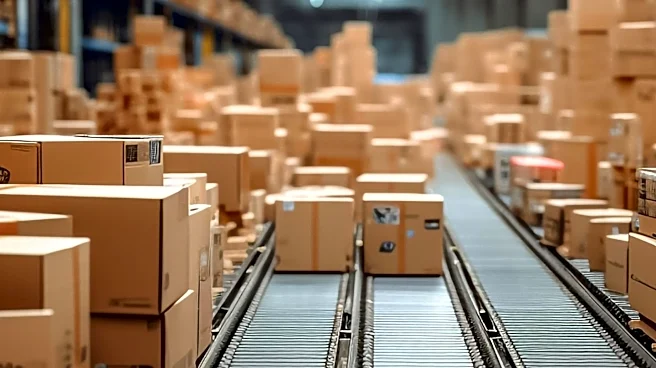
The International Labour Organization (ILO) has adopted new recommendations aimed at strengthening occupational safety and health across the retail sector, including warehousing and distribution operations. These conclusions, agreed upon by representatives
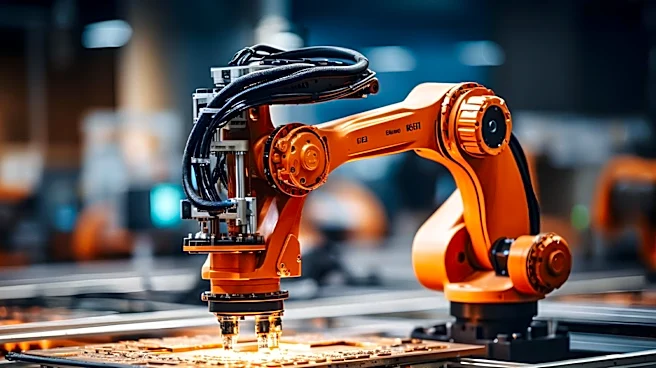
of governments, employers, and workers during a technical meeting in Geneva, address emerging risks associated with technological, organizational, and environmental changes. Key areas of focus include the impact of artificial intelligence and automation on workplace safety, psychosocial hazards such as staffing levels and workplace monitoring, and issues of violence and harassment, including incidents involving customers. The recommendations emphasize worker consultation, risk assessment, stronger labor inspection, and improved safety support for smaller businesses, while also calling for gender considerations in safety policies.
Why It's Important?
These new recommendations are significant because they acknowledge the evolving nature of workplace hazards in the retail sector, particularly those introduced by digital transformation and the increasing prevalence of psychosocial risks. By addressing artificial intelligence, automation, and psychosocial hazards, the ILO is providing a framework for ensuring that technological advancements do not compromise worker well-being. The emphasis on worker consultation and human oversight in technology implementation is crucial for fostering a safe and inclusive work environment. For the U.S., these international standards can influence domestic policy and corporate practices, especially for multinational retail companies. Adopting similar guidelines could lead to improved safety records, reduced worker compensation claims, and enhanced employee morale within the U.S. retail industry. Furthermore, the focus on supporting smaller businesses and extending safety services to informal workers highlights a commitment to equitable safety standards across all segments of the workforce, which is a relevant consideration for U.S. labor policy.
What's Next?
Future ILO activities will concentrate on implementing these international labor standards, strengthening social dialogue, and developing sector-specific guidance for the retail industry. The organization will also support improved safety data collection and share examples of effective workplace prevention measures. Governments are encouraged to enhance labor inspection, occupational safety data collection, and institutional capacity, alongside protections addressing extreme weather. Practical training, information, and technical support will be provided for smaller businesses, and occupational safety services will be extended to informal workers. The goal is to ensure that innovation and sustainable enterprises can advance while maintaining effective worker protection, managing technological change through social dialogue, and continuously improving safety standards.
Beyond the Headlines
The ILO's recommendations delve into the less obvious implications of modern retail, particularly the ethical and human impact of technology and the often-overlooked psychosocial aspects of work. The acknowledgment of risks like algorithmic bias, employee monitoring, and the psychological toll of demanding work environments highlights a shift towards a more holistic understanding of occupational safety. This move suggests a recognition that 'safety' extends beyond physical hazards to encompass mental and emotional well-being. For the U.S., this could prompt a re-evaluation of existing workplace safety regulations to include these emerging concerns, potentially leading to new policies on data privacy, mental health support, and the ethical deployment of AI in the workplace. It also underscores the importance of social dialogue between employers, workers, and governments in navigating the complexities of a rapidly changing work landscape.