





What's Happening?
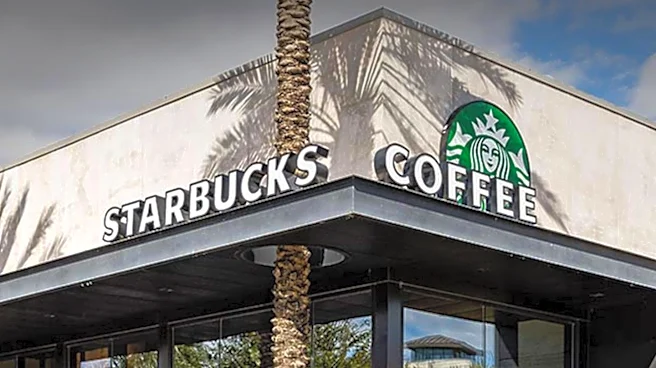
Starbucks founder Howard Schultz publicly criticized his chosen successor, Laxman Narasimhan, in 2024. This event highlights a broader trend of challenges faced by CEOs who take over from company founders. According to a report citing Spencer Stuart,
a headhunting firm, CEOs who succeed founders have a 21% turnover rate within two years, compared to 16% for other new CEOs. Founders often maintain a strong influence even after stepping down, with 45% continuing as board chairmen, a higher percentage than non-founder CEOs. This dynamic can create difficulties for successors trying to implement their own vision or manage the company independently. The criticism from Schultz underscores the unique pressures and scrutiny faced by leaders following in the footsteps of charismatic and deeply involved founders.
Why It's Important?
The public criticism of Laxman Narasimhan by Howard Schultz is significant because it illustrates the complex and often fraught transition of leadership in founder-led companies. This situation can impact investor confidence, employee morale, and the strategic direction of a major U.S. corporation like Starbucks. When a founder, especially one with a strong public persona and historical success, openly criticizes their successor, it can undermine the new CEO's authority and create internal divisions. This dynamic can lead to instability, potentially affecting the company's stock performance and its ability to execute long-term plans. For stakeholders, it raises questions about governance, succession planning, and the true autonomy of the current leadership. The high turnover rate for successors of founders suggests that this is a systemic issue across various industries, indicating a broader challenge in corporate leadership transitions.
What's Next?
The public criticism from Howard Schultz could lead to increased scrutiny on Laxman Narasimhan's leadership at Starbucks. Narasimhan will likely face pressure to demonstrate his strategic vision and operational effectiveness to both the board and the public. This situation may prompt Starbucks' board of directors to re-evaluate their succession planning processes and consider how to manage founder influence more effectively post-transition. Other companies with active founders may also review their own succession strategies to mitigate similar public conflicts. Stakeholders, including investors and employees, will be closely watching for any shifts in company performance or further public statements from either Schultz or Narasimhan. The incident could also spark broader discussions within the business community about the role of founders after their departure from executive roles.
Beyond the Headlines
The public critique of Laxman Narasimhan by Howard Schultz delves into deeper implications concerning corporate culture, founder legacy, and the psychological dynamics of leadership transitions. Founders often view their companies as extensions of themselves, making it difficult to fully relinquish control or accept different approaches from their successors. This emotional attachment can create an environment where new leaders struggle to establish their own authority and vision, constantly operating under the shadow of the founder. Ethically, it raises questions about the responsibility of founders to support their chosen successors and avoid undermining their leadership publicly. Legally, while founders may retain board positions or significant shareholdings, their public commentary can blur the lines of corporate governance and potentially impact fiduciary duties. Culturally, it highlights the challenge of evolving a company's identity beyond its founding personality, a critical step for long-term sustainability and innovation.