




What's Happening?
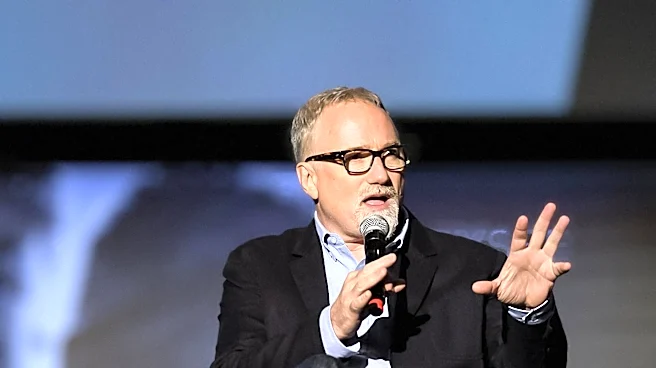
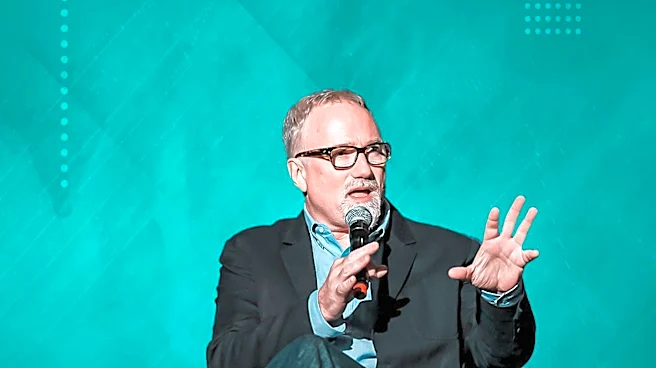
Director David Fincher has indicated that his film 'Cliff Booth' could potentially be his last directorial project. During an appearance on The Ringer's Big Picture podcast, Fincher expressed weariness with the traditional filmmaking process and a shift
in his personal priorities. He highlighted his enthusiasm for artificial intelligence (AI) as a tool to streamline what he terms 'industrial storytelling.' Fincher believes AI can address onerous aspects of production, such as additional dialogue recording and the logistical challenges of transporting equipment for location shoots. He views AI as a solution to make filmmaking more efficient, moving away from the historical approach of simply adding more manpower to solve production problems. Fincher, who is 64, mentioned that he and actor Brad Pitt aimed to reduce their shooting schedule for 'Cliff Booth' to ease the physical demands of long workdays.
Why It's Important?
Fincher's comments underscore a growing debate within the U.S. film industry regarding the integration of AI and its potential impact on traditional production methods and employment. His perspective, coming from a prominent director, suggests a potential shift towards AI-driven efficiencies that could reshape how films are made, potentially reducing the need for large crews and extensive logistical operations. This could lead to significant cost savings for studios but also raises concerns among film professionals about job displacement and the de-humanization of the creative process. The embrace of AI by established figures like Fincher could accelerate its adoption across Hollywood, influencing industry standards and potentially altering the career paths of many involved in film production. The discussion also highlights a generational shift in how filmmakers approach their craft, balancing artistic integrity with technological advancements and personal well-being.
What's Next?
While Fincher's retirement is not definitively announced, his statements suggest a potential future where AI plays a more central role in his filmmaking, or that of other directors seeking similar efficiencies. The broader film industry will likely continue to grapple with the implications of AI, including its ethical considerations, its impact on labor, and its creative potential. Discussions around AI's role in streamlining production, reducing physical demands on cast and crew, and potentially lowering costs are expected to intensify. This could lead to further investment in AI tools for filmmaking, new industry guidelines, and ongoing negotiations between studios, unions, and creative professionals regarding the terms of AI integration. The reception of 'Cliff Booth' and any subsequent projects that openly utilize AI will also serve as a barometer for audience and industry acceptance of these technological shifts.
Beyond the Headlines
Fincher's remarks delve into a deeper philosophical question about the nature of storytelling and industrialization. His critique of 'industrial storytelling' as a disservice to cinema suggests a desire to reclaim a more intimate and less cumbersome creative process, even if it means leveraging AI. This perspective challenges the long-held notion that large-scale human effort is inherently superior in artistic endeavors. The ethical implications of AI in creative fields, particularly concerning authorship, originality, and the potential for job displacement, are significant. Fincher's view that AI can make the process 'more streamlined in your thinking' rather than simply 'throwing manpower at it' reflects a broader societal trend towards automation and efficiency. This could lead to a re-evaluation of traditional roles in film production and a push for new skill sets that integrate human creativity with AI capabilities, potentially redefining the very essence of collaborative filmmaking.