








What's Happening?
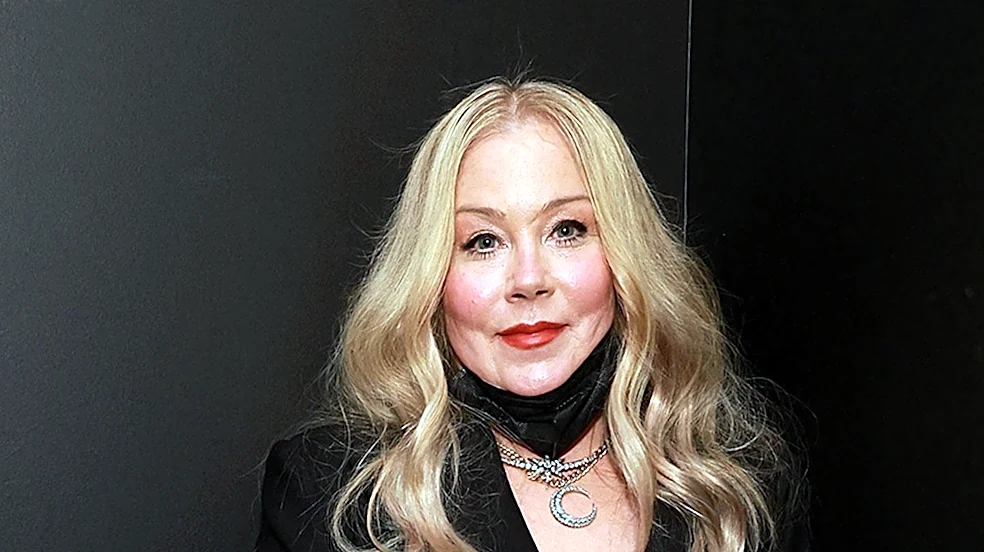
Actress Christina Applegate announced on her podcast, 'MeSsy,' that she was misdiagnosed with multiple sclerosis (MS) more than five years after initially receiving the diagnosis. Applegate, 54, shared that her doctor recently took her off an infusion
treatment to observe her B cell reaction, which subsequently led to the discovery that she never had MS. Despite the new information, Applegate expressed that she was 'not happy at all' with the revelation, as she continues to experience debilitating symptoms that affect her daily life and mobility. Dr. Marwa Kaisey, an associate professor at Cedars-Sinai Medical Center, noted that misdiagnoses of MS are 'fairly common' due to the lack of a single definitive test for the condition. Applegate is now initiating a new medical investigation to determine the actual cause of her ongoing health issues.
Why It's Important?
This misdiagnosis highlights a critical issue within the medical community regarding complex neurological conditions like multiple sclerosis. The fact that nearly one in five people diagnosed with MS may not actually have it, as stated by Dr. Kaisey, underscores the challenges in diagnosing diseases with varied symptoms and no singular diagnostic test. For patients, a misdiagnosis can lead to years of inappropriate treatment, emotional distress, and a delay in receiving proper care for their actual condition. Applegate's public revelation brings much-needed attention to the importance of thorough and accurate diagnostic processes, potentially encouraging others to seek second opinions and advocating for improved diagnostic tools and protocols for complex illnesses. Her experience also sheds light on the psychological impact of living with a chronic illness, even when the initial diagnosis proves incorrect.
What's Next?
Christina Applegate is set to begin an online investigation with her doctors next week to uncover the true cause of her persistent symptoms, which have worsened despite the MS misdiagnosis. This new phase of her medical journey will involve a comprehensive re-evaluation of her health, aiming to identify what has been affecting her since 2021. Her public platform may encourage other individuals who have received complex diagnoses to question and re-evaluate their own medical conditions. The outcome of her investigation could potentially lead to new insights into diagnostic challenges for neurological disorders and may influence medical practices in the future, particularly in the realm of autoimmune and neurological disease diagnosis.
Beyond the Headlines
Applegate's story extends beyond a personal health update, touching on broader societal implications regarding chronic illness and patient advocacy. Her initial diagnosis led her to become an outspoken advocate for MS, and her misdiagnosis now presents a unique challenge: how to navigate a public identity tied to a condition she doesn't have, while still experiencing severe symptoms. This situation raises ethical questions about the responsibility of public figures in health advocacy and the potential for both positive and negative impacts of sharing personal medical journeys. It also underscores the emotional and psychological toll of living with an undiagnosed chronic condition, where the search for answers can be as debilitating as the symptoms themselves. Her experience may foster greater empathy and understanding for those living with invisible illnesses and the complexities of medical diagnoses.