








What's Happening?
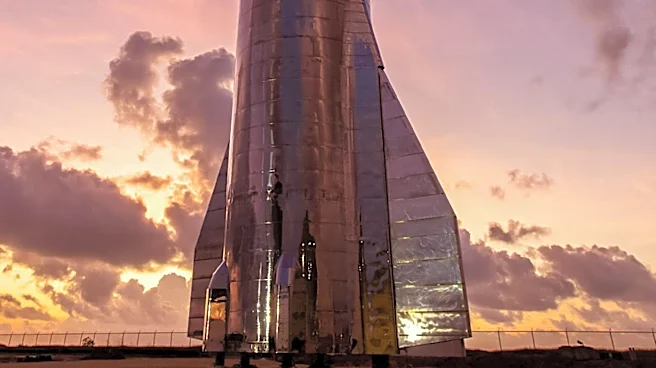
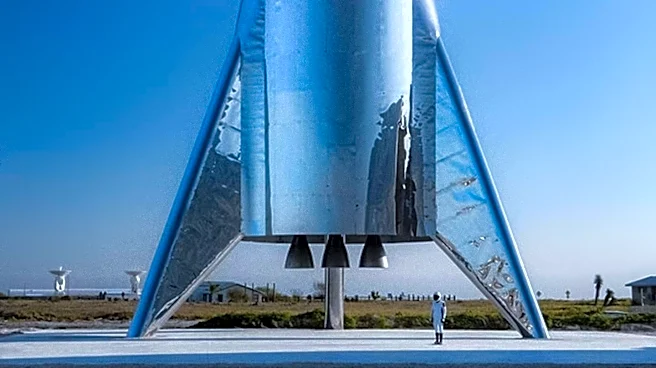
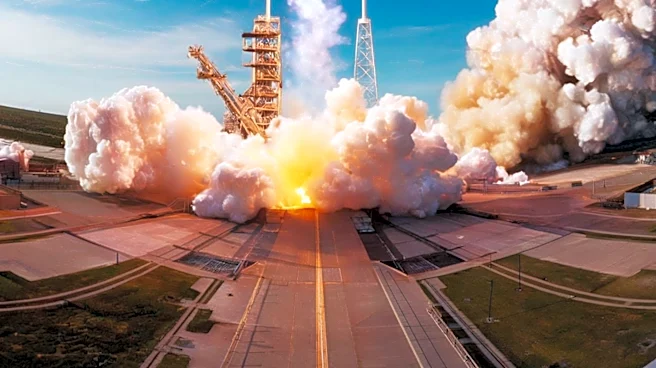
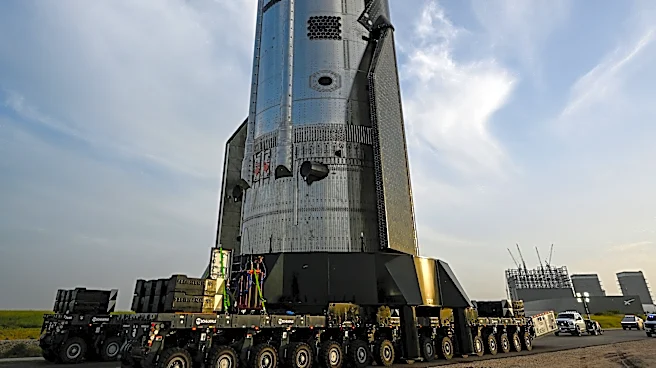
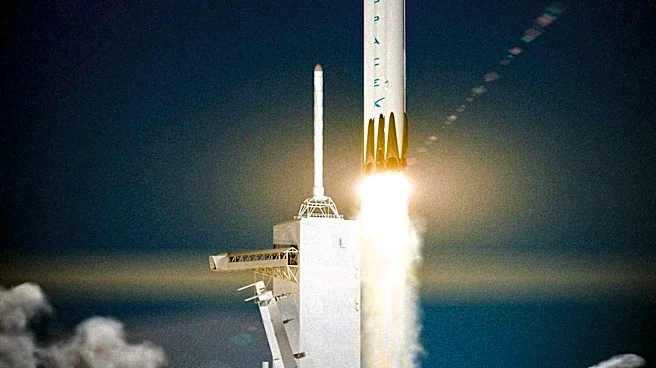
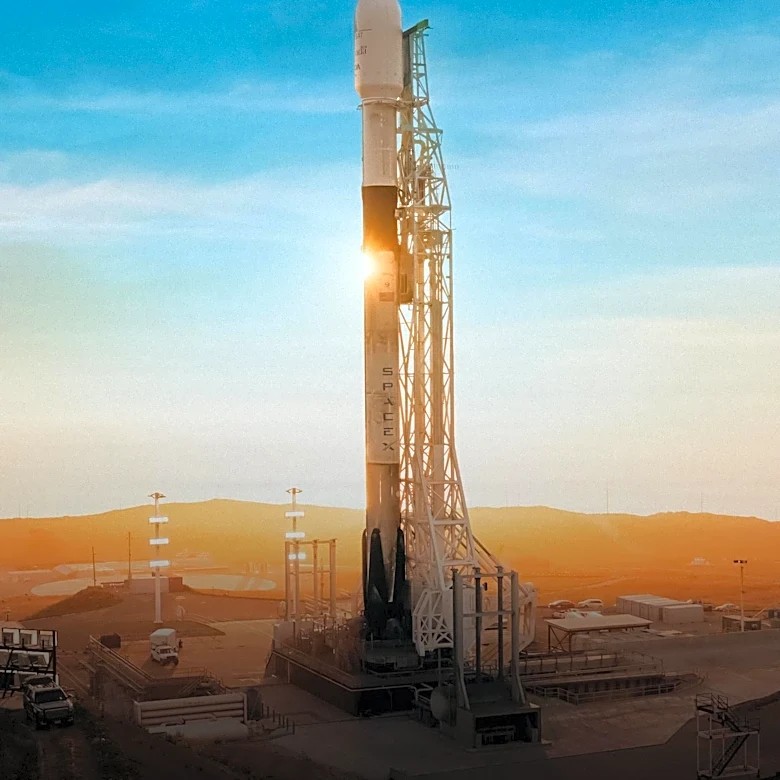
SpaceX's Starship Flight 13 was halted just seconds before liftoff at the company's launch site in South Texas. The mission, which aimed to gather flight data from the Starship spacecraft and Super Heavy booster, was interrupted due to an unexpected issue
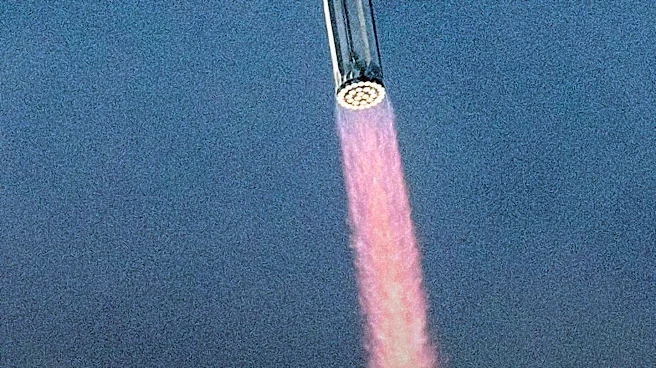
during the ignition sequence. The abort occurred as the Super Heavy booster was preparing to activate its Raptor engines, preventing the rocket from leaving the launch mount. Despite the interruption, the vehicle remained on the ground, and safety systems functioned as intended. Engineers immediately began reviewing telemetry and operational data to identify the cause of the interruption. This test was part of SpaceX's ongoing efforts to develop the Starship for future lunar missions, Mars exploration, and heavy-lift operations.
Why It's Important?
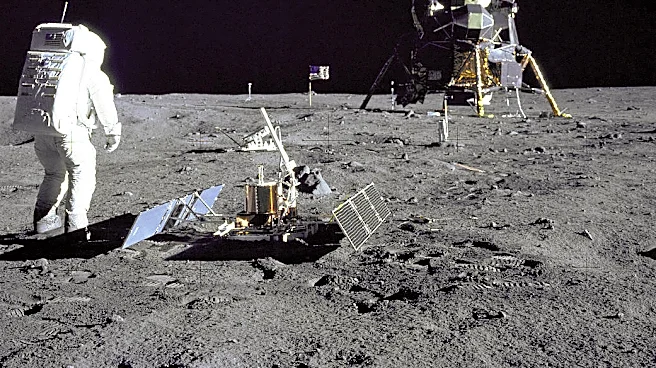
The aborted launch highlights the complexities involved in preparing a fully integrated launch vehicle of this scale. Each test provides critical data on propulsion systems, flight operations, and vehicle performance, which are essential for SpaceX's long-term goals. The Starship is a key component of NASA's Artemis lunar exploration plans, where a modified version is expected to support future Moon missions. The interruption underscores the importance of automated systems in modern spaceflight, which can prevent potential hardware damage by halting launches at the last second. The incident also demonstrates SpaceX's rapid testing approach, allowing for quick identification and resolution of issues to improve vehicle reliability.
What's Next?
Following the abort, SpaceX engineers are focused on analyzing the sequence that led to the automatic shutdown. Elon Musk announced that two Raptor engines would be replaced, with a new launch attempt expected early next week. This targeted response aims to ensure the booster performs correctly during the next attempt. The company frequently uses test cycles to refine hardware and procedures, and the findings from this interruption will be used to improve confidence before the next countdown. The space industry closely watches Starship's development timeline, as it is expected to support missions beyond Earth orbit.