





What's Happening?
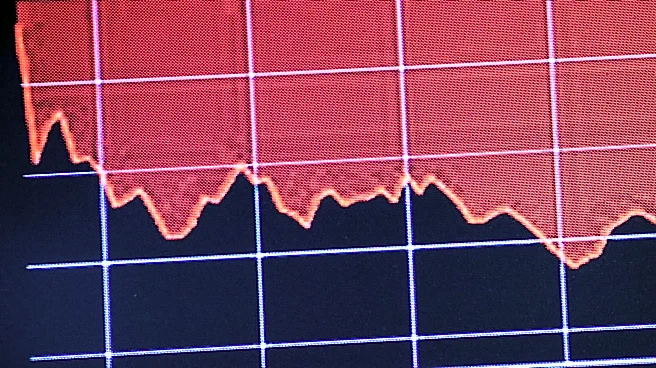
Wealth managers are largely maintaining a positive outlook on equity markets, despite a recent sharp selloff in technology stocks, particularly those linked to artificial intelligence (AI). The PHLX Semiconductor Index experienced a significant decline,
falling 12.3% on Thursday and extending its drawdown since June to approximately 38.3%. This market turbulence was driven by concerns that potential Democratic gains in the U.S. midterm elections could lead to increased regulation of AI and stricter controls on data center development, thereby slowing AI infrastructure build-out. However, chief investment officers like Mark Haefele of UBS Global Wealth Management view this decline as a 'positioning reset' rather than a fundamental downturn in the AI investment cycle. They anticipate an upside in broad equity indices over the next six to twelve months, emphasizing the resilience of corporate earnings growth and a supportive global cyclical backdrop. Similarly, Ben Seager-Scott of Forvis Mazars notes that such sharp falls in tech stocks have historically been followed by rallies, suggesting that the current situation might not be the end of the AI narrative.
Why It's Important?
The recent tech selloff and the differing interpretations from wealth managers highlight a critical juncture for U.S. investors and the broader economy. The AI investment cycle has been a dominant market theme, and any perceived threat to its sustainability, whether from regulatory changes or market sentiment, can trigger significant volatility. The concerns about potential U.S. midterm election outcomes impacting AI regulation underscore the growing intersection of politics and technology, which could influence investment flows and corporate strategies. While some experts see the current dip as a buying opportunity, others caution about market concentration risks and the need for diversification beyond U.S. mega-cap technology. The debate over whether this is a temporary correction or a sign of deeper issues will shape investment decisions, potentially affecting the growth trajectory of the technology sector and its contribution to the U.S. economy.
What's Next?
Investors are advised to focus on managing concentration risks and rebalancing portfolios to mitigate potential future volatility. The long-term investment view for equities remains constructive for many wealth managers, supported by resilient corporate earnings and economic activity. However, the market will closely monitor any developments regarding AI regulation, particularly after the U.S. midterm elections, and how these might impact data center development and the broader AI infrastructure. The bond market's signal of slower but sustainable economic growth, rather than a recession, suggests that while market sentiment is unsettled, the fundamental economic outlook is not seen as justifying a prolonged downturn. The expectation is that the narrow AI-led rally could broaden to other sectors and regions, potentially creating new opportunities for investors.
Beyond the Headlines
The current market dynamics reveal a deeper tension between rapid technological advancement and the increasing call for regulatory oversight. The 'AI investment cycle' is not just a financial phenomenon but a transformative force impacting various industries and societal structures. The discussion around potential government intervention in AI and data centers reflects broader societal concerns about data privacy, ethical AI development, and market dominance. This situation could lead to a re-evaluation of investment criteria, with a greater emphasis on companies that demonstrate robust governance and adaptability to evolving regulatory landscapes. The shift towards diversification and a multi-asset core portfolio approach suggests a maturing investment environment where speculative growth is balanced with more sustainable, long-term value creation, potentially influencing how capital is allocated across the U.S. and global markets.