





What's Happening?
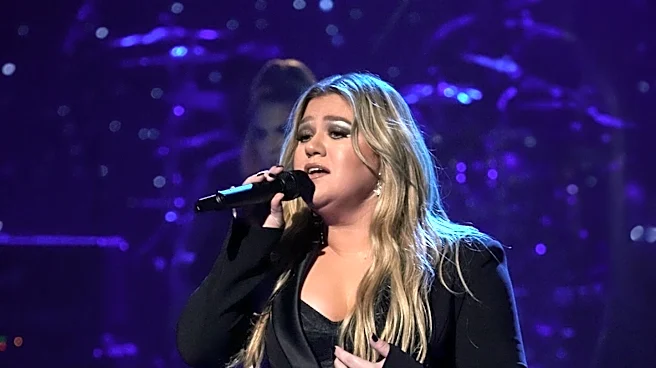
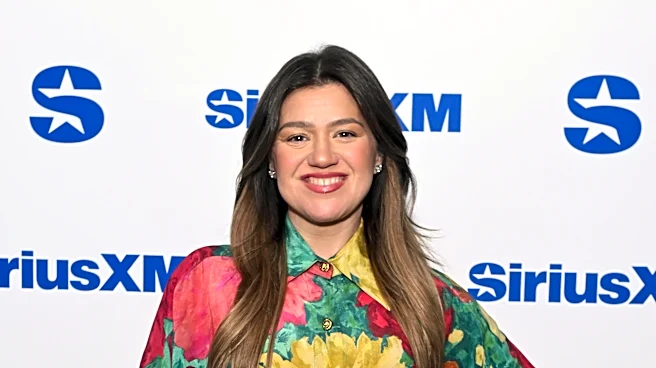
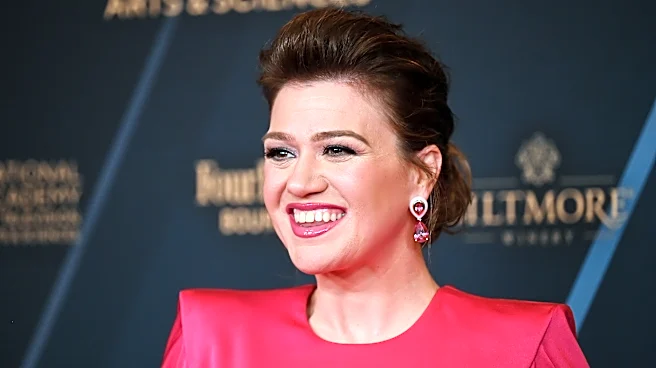
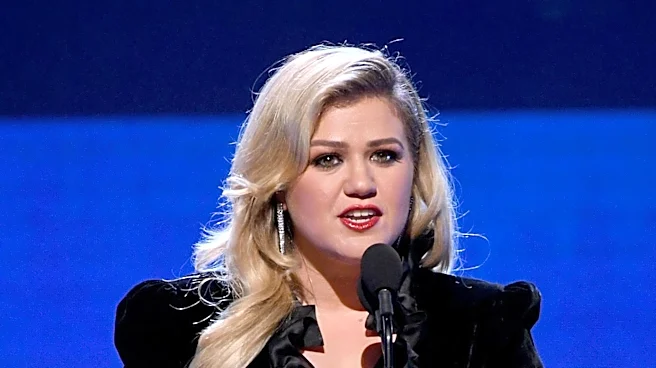
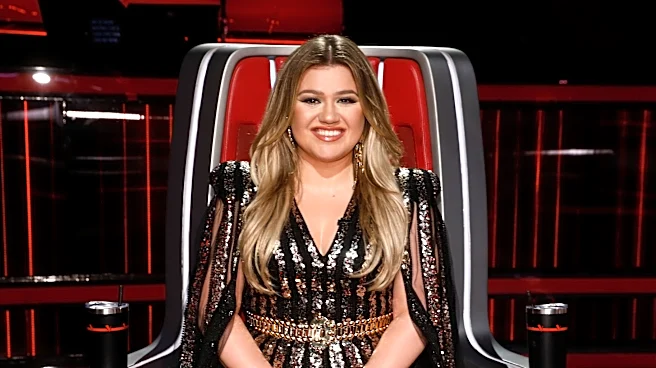
Kelly Clarkson publicly criticized Art of Play, a Brooklyn-based store, on social media for an alleged negative shopping experience. Clarkson claimed that a staff member treated her dismissively when she inquired about purchasing a $15,000 mechanical
bird named 'Molly,' making her feel as though she couldn't afford it. She likened the incident to a scene from the movie 'Pretty Woman.' Following Clarkson's social media posts, which reached her millions of followers, Art of Play reported being inundated with negative messages. The store responded by stating that 'Molly' was not for sale as it is permanently attached to the wall and serves as a mascot. They clarified that they offered her a 'nearly identical' automaton from the creator for $15,000, or a different singing bird automaton for $2,000, but Clarkson did not stay to see it. Clarkson subsequently accused the store of being both rude and untruthful.
Why It's Important?
This incident highlights the significant influence celebrities wield through social media, capable of generating widespread public attention and backlash for businesses, regardless of their size. Public relations experts note that such celebrity callouts can have a 'devastating effect' due to the immediate and massive dissemination of information. For small businesses like Art of Play, a single celebrity mention can lead to millions of people engaging with their brand, either positively or negatively. The situation also underscores the challenges businesses face in managing their online reputation and responding to public criticism, especially when conflicting accounts of an event emerge. The rapid spread of information, as described by the 'lie gets halfway around the world before the truth gets its pants on' adage, means that initial accusations can quickly shape public perception before a full explanation is heard.
What's Next?
Art of Play has indicated they have reached out to Kelly Clarkson directly to 'clear the air' and expressed hope that the misunderstanding can eventually be resolved amicably. Public relations experts suggest that the store could potentially leverage this unexpected attention by implementing creative marketing strategies, such as offering photos with the mechanical bird 'Molly' for a fee or creating merchandise related to the incident. They also suggested increasing the price of similar items, capitalizing on the newfound notoriety. The ongoing public discourse surrounding the event may continue to influence both Clarkson's public image and Art of Play's business, depending on how each party manages future communications and actions. The incident serves as a case study for businesses on the critical need for a crisis communications plan in the age of social media.
Beyond the Headlines
Beyond the immediate dispute, this event touches upon broader themes of consumer experience, perceived social class, and the power dynamics inherent in celebrity culture. Clarkson's comparison to 'Pretty Woman' evokes a common societal anxiety about being judged based on appearance or perceived wealth, suggesting that such experiences resonate deeply with the public. The incident also raises questions about the responsibility of public figures when using their platforms to air grievances, and the potential for disproportionate consequences for smaller entities. It highlights the double-edged sword of social media, which can empower individuals to voice concerns but also facilitate rapid, potentially damaging, public shaming. The differing accounts of the interaction underscore the subjective nature of customer service experiences and the difficulty of establishing objective truth in highly publicized disputes.