







What's Happening?
Spirit AeroSystems, a wholly-owned subsidiary of The Boeing Company, is actively recruiting for Overhead Crane Operators in Wichita, Kansas. These positions are crucial for supporting the company's commercial business units, which are responsible for designing
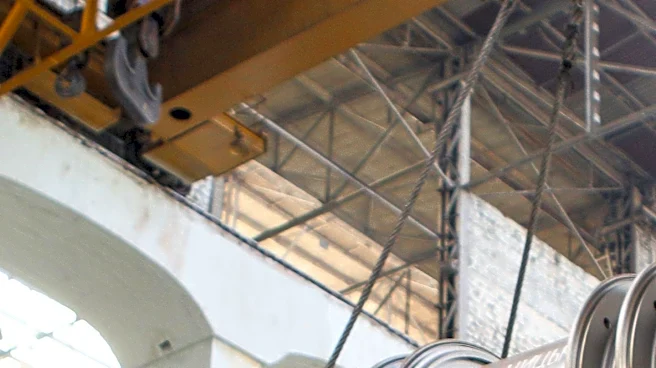
and building aerostructures for Boeing Commercial Airplanes. The role involves a variety of material support activities, including the safe and efficient operation of cab-controlled overhead traveling cranes, material handling equipment, and other machinery to ensure the timely delivery of products. Operators will be responsible for moving products, tools, tooling, equipment, and support equipment to maintain the flow of goods within the factory. The job also entails performing clerical and record-keeping activities related to material flow, checking hardware for damage, and operating information systems. Spirit AeroSystems emphasizes safety, requiring operators to check equipment condition before and after use and report any malfunctions. The company provides necessary training for employees to perform all job functions.
Why It's Important?
This recruitment drive by Spirit AeroSystems is significant for several reasons. Firstly, it highlights the ongoing demand for skilled labor in the U.S. aerospace manufacturing sector, particularly in key hubs like Wichita, Kansas. The company's need for overhead crane operators underscores the continuous production requirements for commercial aircraft components, which are vital for the global aviation industry. Secondly, the job offering includes a potential $5,000 state of Kansas Aviation tax credit for up to five years, which serves as an incentive to attract and retain talent within the state. This tax credit can bolster the local economy by encouraging workforce development and stability in a critical industry. The roles are union-represented, indicating potential benefits and protections for employees, which can contribute to a stable and experienced workforce. The continuous operation and expansion of Spirit AeroSystems directly impact Boeing's ability to meet its aircraft production targets, influencing the broader aerospace supply chain and economic activity.
What's Next?
Spirit AeroSystems will continue its recruitment efforts to fill these essential roles, with a focus on attracting qualified candidates willing to work various shifts, including second shifts. Successful applicants will undergo comprehensive training provided by the company to ensure they can safely and efficiently operate the required equipment and perform all job duties. The company's ongoing need for these positions suggests a sustained production schedule for commercial aerostructures. As these roles are filled, it will contribute to the operational efficiency and capacity of Spirit AeroSystems, potentially enabling smoother production lines and timely delivery of components to Boeing. The availability of the Kansas Aviation tax credit may also encourage more individuals to consider careers in the aerospace manufacturing sector within the state, potentially leading to a stronger local talent pool for future industry needs. The company's commitment to a drug-free workplace indicates a continued focus on safety and compliance within its operations.
Beyond the Headlines
The demand for specialized roles like overhead crane operators at Spirit AeroSystems reflects broader trends in the U.S. manufacturing landscape, particularly the aerospace sector's reliance on skilled trades. While often overshadowed by high-tech engineering roles, these operational positions are fundamental to the physical production and assembly processes of complex aircraft components. The emphasis on safety, training, and union representation points to an industry that values both efficiency and worker well-being. The state of Kansas's initiative to offer aviation tax credits highlights a strategic effort by local governments to support and grow critical industries, recognizing their economic impact and the need to attract and retain a skilled workforce. This interplay between corporate demand, state incentives, and labor market dynamics is crucial for maintaining the competitiveness and resilience of the U.S. aerospace manufacturing base, ensuring the continued production of essential components for global aviation.