







What's Happening?
Juneau International Airport is planning to overhaul its airline fee structure, a move that Alaska Seaplanes is disputing. Alaska Seaplanes President Jodi Garza sent a letter to the Airport Board urging them to postpone up to $100,000 in consulting work
aimed at revising the airport's financial model and negotiating new agreements with major carriers. The core of the concern lies in the existing arrangement where 85% of certain airport costs are assigned to larger commercial airlines and 15% to smaller operators and general aviation. Alaska Seaplanes fears that changing this formula could increase costs for smaller carriers, potentially making air travel more expensive for communities in Southeast Alaska that rely heavily on air transportation. Despite the objection, the Airport Board unanimously authorized the consulting expenditure, and a request for proposals for an outside firm was issued.
Why It's Important?
This dispute is significant for the U.S. aviation industry, particularly for regional air service in remote areas like Southeast Alaska. Changes to airport fee structures can directly impact the operational costs of airlines, which are often passed on to consumers. For communities in Southeast Alaska, where air travel is frequently the only viable option for transportation of people, freight, and medical supplies, increased costs could have substantial economic and social consequences. It could lead to higher ticket prices, reduced flight frequencies, or even the discontinuation of service to less profitable routes, isolating some communities. This situation highlights the delicate balance airports must maintain between covering their operational expenses and ensuring affordable and accessible air service, especially for essential regional connections. The outcome will determine who bears a larger share of airport operating costs and could set a precedent for other regional airports.
What's Next?
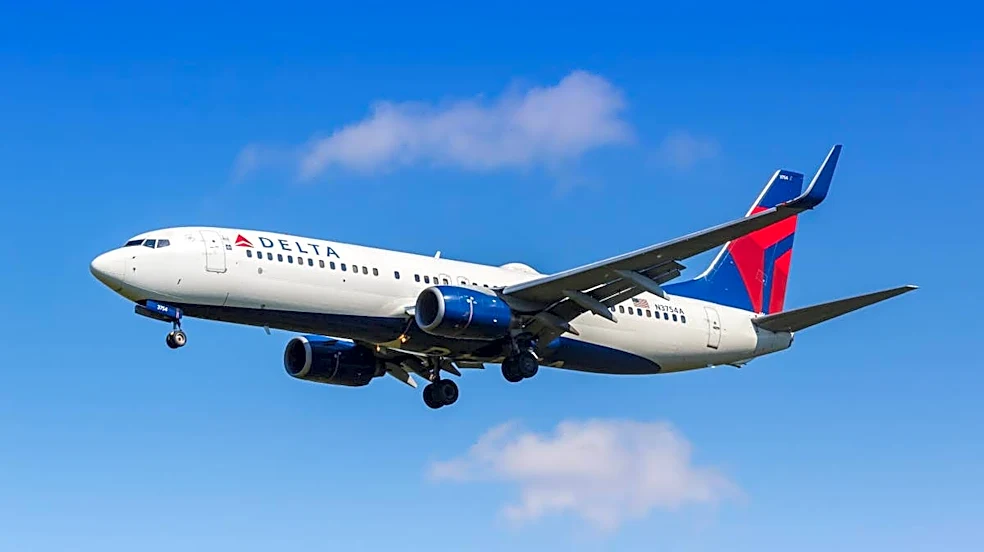
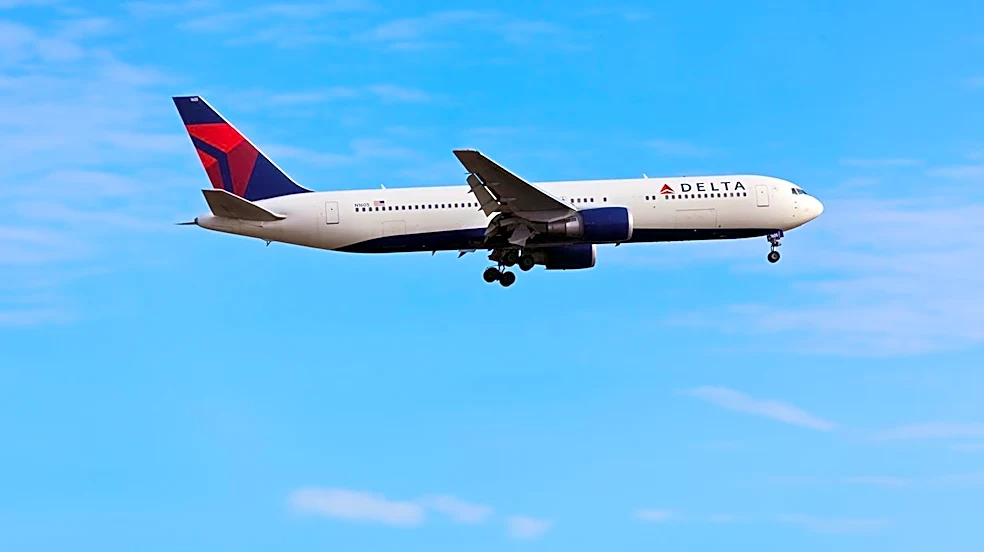
Consultant proposals for the airport's financial model overhaul are due later this month. The selected firm will evaluate the airport's finances and assist in negotiating new agreements with airlines, including Alaska Airlines and Delta Air Lines. Alaska Seaplanes and other smaller carriers will likely continue to advocate for their interests, seeking meaningful input in the process to ensure that any new fee structure does not disproportionately burden them. The target implementation date for the changes is July 1, 2027, aligning with the city's 2028 fiscal year. This timeline allows for the revision of the financial model and negotiation of new airline-use agreements. Stakeholders will be closely watching the consultant's recommendations and the subsequent negotiations to understand the potential impact on regional air service and costs.
Beyond the Headlines
Beyond the immediate financial implications, this situation touches upon the broader issue of equitable access to essential services in geographically challenging regions. The reliance of Southeast Alaskan communities on air travel underscores the critical role of regional airlines in maintaining connectivity and supporting local economies. Any policy that inadvertently jeopardizes the affordability or availability of these services could exacerbate existing disparities and hinder economic development in these areas. This case also raises questions about the transparency and inclusiveness of decision-making processes at public utilities like airports, particularly when changes could have significant public impact. Ensuring that all stakeholders, including smaller operators and the communities they serve, have a voice in such decisions is crucial for fostering trust and achieving sustainable solutions for regional transportation.