


What's Happening?
Fitness experts are recommending specific hip mobility exercises for individuals who spend extended periods sitting, a common issue due to work commitments. Prolonged sitting can lead to tightened hip flexors and adductor muscles, and deconditioned glutes.
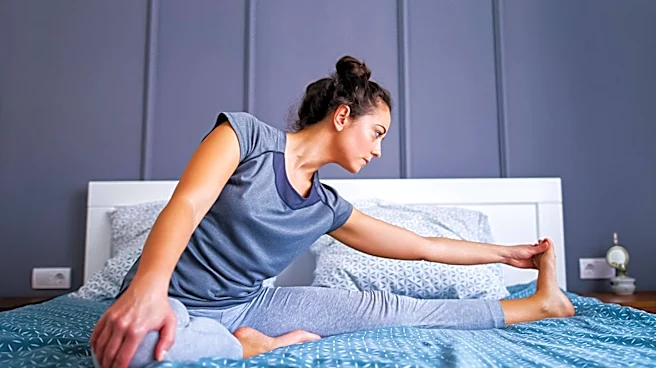
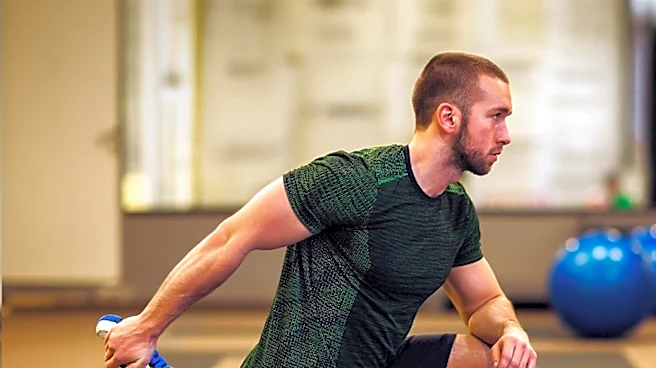
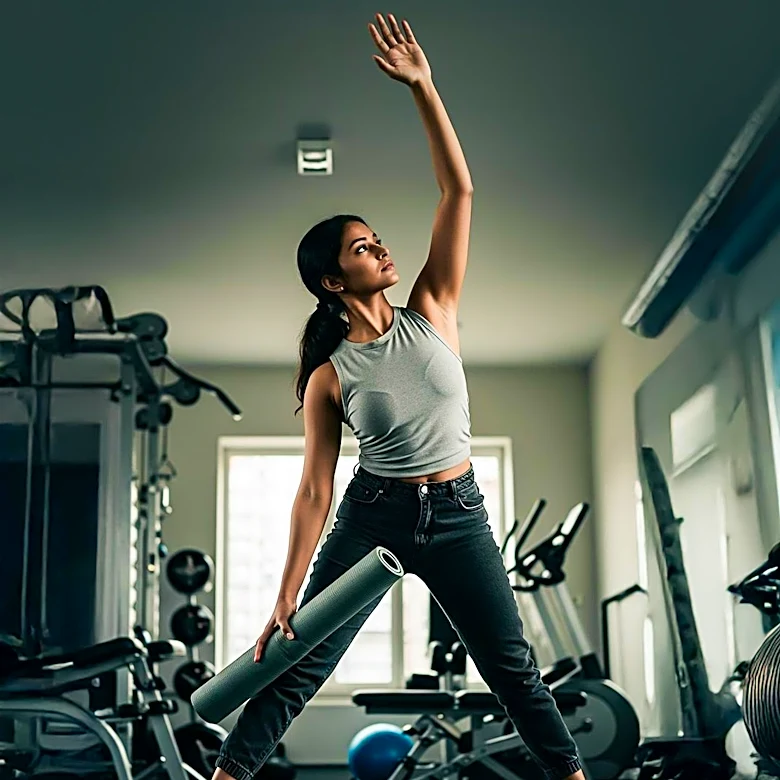
To counteract these effects, personal trainers suggest incorporating three key mobility moves: the 90/90 stretch, adductor rock backs, and a hip flexor stretch to hamstring rock back. These exercises are designed to improve both external and internal hip mobility and stretch surrounding muscles. They require no special equipment beyond a yoga mat or soft surface and can be practiced two to three times a week, gradually increasing to daily. Individuals with prior injuries or those experiencing sharp pain are advised to consult a medical professional before attempting these moves.
Why It's Important?
The emphasis on hip mobility exercises addresses a significant public health concern in the U.S., where many individuals have sedentary jobs. Poor hip mobility can contribute to various musculoskeletal issues, including lower back pain, knee problems, and reduced athletic performance. By promoting these simple, equipment-free exercises, fitness professionals aim to mitigate the negative health impacts of prolonged sitting, potentially reducing healthcare costs associated with related injuries and chronic pain. Improved hip mobility can enhance overall functional movement, making daily activities easier and more comfortable, and can also play a crucial role in injury prevention for active individuals. This guidance empowers individuals to take proactive steps in managing their physical health, even with demanding work schedules.
What's Next?
As awareness of the health implications of sedentary lifestyles grows, it is likely that more fitness programs and workplace wellness initiatives will integrate similar mobility routines. Personal trainers and health coaches may increasingly emphasize preventative exercises like these to a broader client base. Educational campaigns could also emerge, highlighting the benefits of regular movement and specific stretches for those in desk-bound professions. The accessibility of these exercises, requiring no special equipment, makes them easily adoptable, suggesting a potential for widespread implementation in homes and offices. Further research may also explore the long-term benefits and optimal frequency of such mobility training for different populations.
Beyond the Headlines
The focus on hip mobility extends beyond mere physical comfort; it touches upon the broader societal challenge of adapting human physiology to modern work environments. The human body is designed for movement, and prolonged sitting represents a significant departure from this evolutionary norm. This trend highlights a growing need for ergonomic solutions and integrated wellness practices in corporate settings. The promotion of simple, effective exercises like these underscores a shift towards self-care and preventative health measures, recognizing that individual actions can significantly impact long-term well-being. It also raises questions about the responsibility of employers in fostering healthier work environments and encouraging employees to incorporate movement into their daily routines.