






What's Happening?
To extend the lifespan and maintain the functionality of athletic wear, specific washing and care practices are recommended. Unlike regular cotton clothing, modern athletic wear is made from advanced synthetic fabrics like polyester, spandex, and nylon,
designed for moisture-wicking, temperature regulation, and compression. Improper washing can degrade elastic fibers, reduce performance capabilities, and shorten the garment's life. Key recommendations include turning garments inside out, sorting by color and fabric type, and using cold water with a gentle or delicate wash cycle. Specialized detergents formulated for athletic wear are preferred, while fabric softeners and bleach should be avoided entirely as they can compromise fabric properties. For compression garments specifically, laying them flat to air dry is crucial to maintain their shape.
Why It's Important?
Proper care of athletic wear is important because it preserves the significant investment consumers make in performance apparel and ensures these garments continue to deliver their intended benefits. The technical features of athletic fabrics, such as moisture-wicking and compression, are vital for comfort, hygiene, and performance during physical activity. When these properties are compromised by incorrect washing, garments can lose their elasticity, become less effective at managing sweat, and develop odors, leading to premature replacement. Adhering to these best practices not only saves money in the long run but also supports a more sustainable approach to clothing consumption by extending the usable life of garments and reducing textile waste.
What's Next?
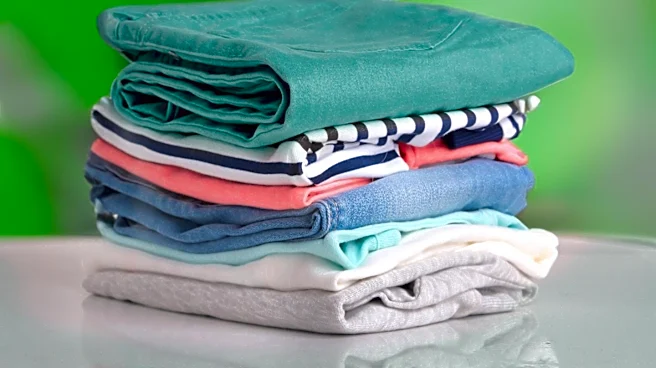
Beyond washing, drying techniques are equally important. Air drying is highly recommended, with items laid flat on a clean, dry surface away from direct sunlight and heat. If a dryer must be used, it should be set to the lowest heat or air-dry mode, and items should be removed while slightly damp to finish drying flat. Additional tips include washing less frequently, storing garments properly (folded rather than hung), using mesh laundry bags for delicate items, and rotating wardrobes to allow fabrics to recover. For expensive or high-tech compression gear, professional laundry services specializing in athletic wear can be considered to ensure optimal care and maintain warranty coverage.
Beyond the Headlines
The specific care requirements for athletic wear reflect a broader shift in textile technology and consumer expectations for clothing functionality. As fabrics become more specialized and engineered for performance, the traditional 'wash and wear' approach becomes inadequate. This trend highlights the increasing intersection of science, fashion, and sustainability, where consumer education on product care is as important as the product's initial design. The environmental impact of clothing care, including energy consumption for washing and drying, and the longevity of garments, is also a growing concern. By adopting best practices, consumers contribute to reducing their environmental footprint while maximizing the utility of their purchases. This also creates a niche market for specialized detergents and professional laundry services catering to these advanced materials.