



What's Happening?
New York City fashion designer Andrea Mary Marshall, head of the luxury brand Salon 1884, is facing charges of Grand Larceny and Wage Theft, totaling $54,000. District Attorney Alvin Bragg alleges that Marshall coerced former employees into working up
to 100 hours a week and then withheld payment. Marshall has pleaded not guilty to all charges. Her legal team, Anna Estevao and Justine Harris, contend that Marshall is a solo female entrepreneur who paid workers above minimum wage and is committed to paying outstanding debts. They also claim she is a victim of major fashion retailers not paying for orders on time, suggesting the D.A. is unfairly targeting a struggling business owner. The charges could lead to 1 to 10 years of jail time. The case is expected to go to trial in early 2027.
Why It's Important?
This case highlights significant issues within the U.S. fashion industry, particularly concerning labor practices and the financial vulnerabilities of designers. The allegations of wage theft against Andrea Mary Marshall underscore the precarious position of garment workers, many of whom are immigrants, and the potential for exploitation within the industry. It also brings to light the complex financial ecosystem where designers may face payment delays from large retailers, potentially impacting their ability to pay their own staff. The District Attorney's pursuit of criminal charges, rather than treating it as a civil matter, signals a stricter stance on labor law violations, which could set a precedent for how similar cases are handled in the future. This could lead to increased scrutiny of payment practices across the fashion sector and potentially influence policy discussions around worker protections and fair compensation.
What's Next?
Andrea Mary Marshall's court case is scheduled for trial in early 2027. In the interim, Marshall's legal team will continue to argue that she has made good faith efforts to comply with regulations and that the charges are unjust. The District Attorney's office will likely present further evidence, including text messages from former employees detailing their pleas for payment. The outcome of this trial could have significant repercussions for Marshall's career and the Salon 1884 brand. Beyond the immediate legal proceedings, the case may prompt broader discussions within the fashion industry about financial transparency, ethical labor practices, and the responsibilities of designers to their employees, especially in an environment where payment from retailers can be inconsistent. Stakeholders, including labor rights groups and fashion industry associations, will likely monitor the trial closely.
Beyond the Headlines
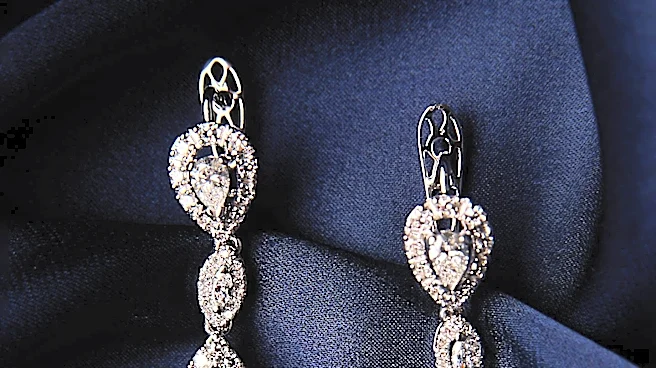
This case delves into the ethical and economic complexities of the luxury fashion industry, exposing the stark contrast between the glamorous facade and the often-unseen struggles of its workforce. The allegations against Andrea Mary Marshall, particularly the emotional text messages from employees begging for payment, highlight a deeper societal issue of vulnerable workers, many of whom are immigrants, being exploited. It also raises questions about the accountability of larger retailers in the supply chain, as Marshall's defense points to their delayed payments as a contributing factor to her financial difficulties. The public display of Marshall wearing expensive jewelry while allegedly owing wages sparks a conversation about perceived entitlement and the ethical obligations of business owners. This situation could trigger a re-evaluation of labor laws and enforcement mechanisms to better protect workers in creative industries, potentially leading to long-term shifts in how financial liabilities and worker rights are addressed in the U.S. fashion sector.