

What's Happening?
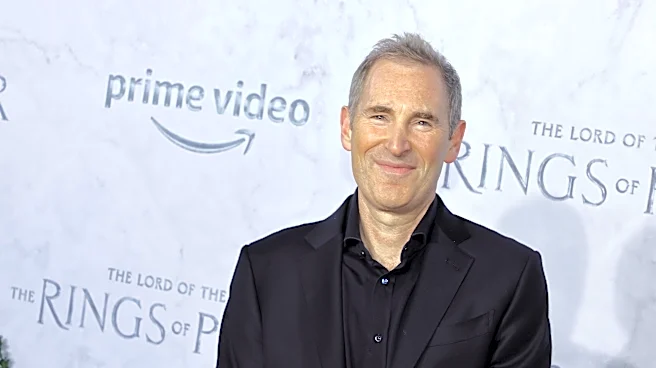
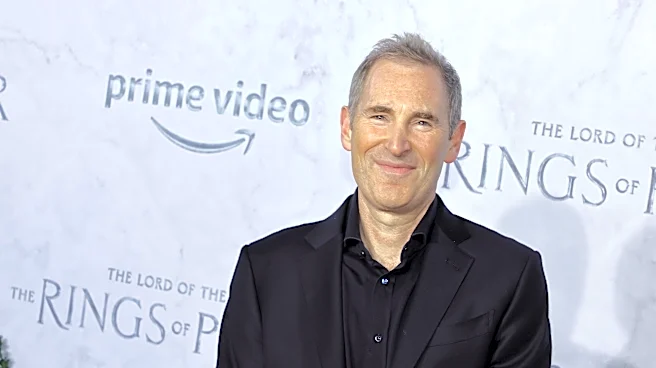
Now in its third season, 'The Lord of the Rings: The Rings of Power' continues to elicit mixed reactions from viewers and critics. Despite significant investment in visual effects and production design, the series is often criticized for its pacing, plotting,
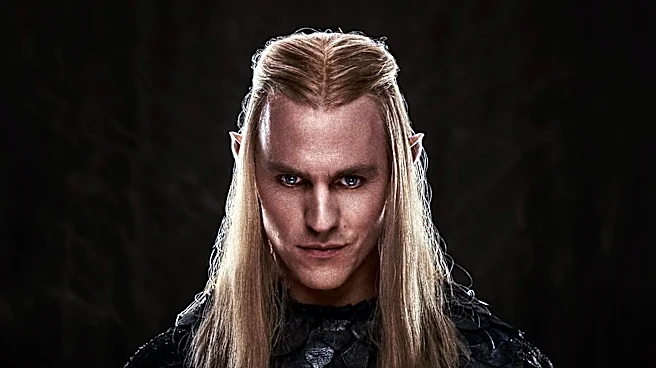
and creative liberties taken with Tolkien's lore. While some praise its visual spectacle and the performances of actors like Daniel Weyman as Gandalf, others find the show lacking in energy, narrative thrust, and compelling character dynamics. The central storyline revolves around various characters journeying across Middle-earth, with Sauron's plans for forging the One Ring progressing. The season has seen significant character developments and impressive set pieces, yet it struggles to fully capture the undivided attention of its audience.
Why It's Important?
The ongoing mixed reception for 'The Rings of Power' highlights the challenges of adapting beloved literary works with a massive fanbase and high expectations. Despite being one of the most expensive television productions, its inability to consistently satisfy both long-time Tolkien enthusiasts and general audiences indicates a potential disconnect between creative vision and audience reception. This situation has broader implications for the streaming industry, particularly regarding the strategy of investing heavily in established intellectual properties. It raises questions about whether high production values alone are sufficient to guarantee critical and popular success, and how much creative freedom adaptations should take with source material. The show's performance could influence future investment decisions in large-scale fantasy productions.
What's Next?
As 'The Rings of Power' progresses through its planned five seasons, the creators will likely continue to navigate the balance between adhering to Tolkien's lore and introducing new narrative elements. The current season is building towards the forging of the One Ring, a pivotal event in Middle-earth history. Future episodes and seasons will need to address criticisms regarding pacing and character development to win over skeptical viewers. The show's trajectory will also be influenced by audience engagement and critical feedback, potentially leading to adjustments in storytelling approach. The ultimate success of the series will depend on its ability to deliver a compelling and cohesive narrative that resonates with a broad audience while respecting the foundational elements of Tolkien's world.
Beyond the Headlines
The discourse surrounding 'The Rings of Power' extends beyond mere entertainment critique, touching upon broader cultural issues such as fan expectations, the nature of adaptation, and the impact of online fandom. The show has faced criticism that sometimes intertwines with issues of racism and misogyny, particularly concerning the casting of diverse actors in traditionally white roles. This highlights the complex relationship between creators and audiences in the digital age, where fan communities can exert significant influence and express strong opinions. The series also reflects the current trend in television towards cinematic-scale productions, blurring the lines between film and TV. Its reception serves as a case study in how modern audiences engage with and judge adaptations of iconic stories, often with deeply ingrained personal connections to the source material.