



What's Happening?
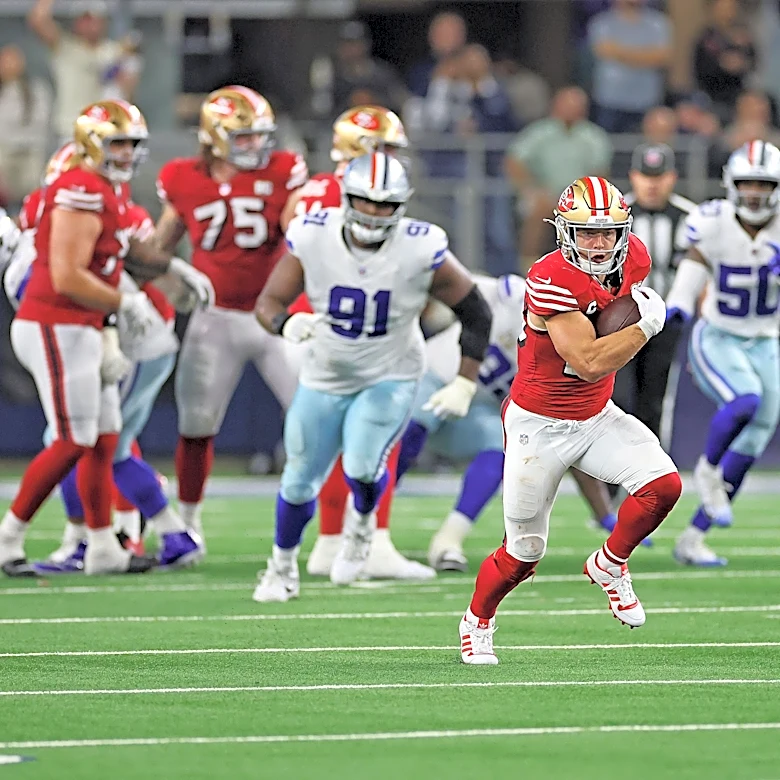
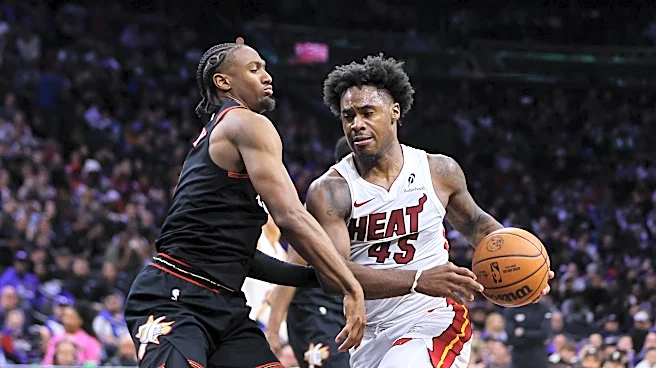
NBA player Kyle Kuzma has publicly criticized the NFL's policy preventing its players from investing in or endorsing prediction-market companies. Kuzma's comments came in response to the NFL's directive for Eagles running back Saquon Barkley to divest
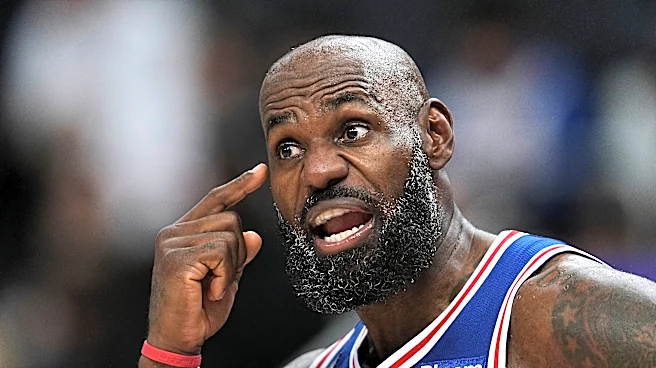
his stake in Polymarket. According to Front Office Sports, Barkley was informed he needed to sell his stake after a profile revealed his ownership. Kuzma, an investor in Kalshi, another prediction-market platform, argued that players should have the freedom to invest in various ventures, especially given the short career span of professional athletes. He highlighted that the NBA's rules are less restrictive, allowing players to invest in prediction-market platforms as long as they do not trade on NBA event contracts. Kuzma's investment in Kalshi, which was valued at approximately $11 billion last year and is now reportedly raising capital at a $65 billion valuation, underscores his belief in the potential of these markets. Other athletes, including Giannis Antetokounmpo, Breanna Stewart, Marshawn Lynch, and Richard Sherman, have also invested in Kalshi, while LeBron James has an endorsement deal with Polymarket.
Why It's Important?
This issue highlights a significant divergence in policy between major U.S. sports leagues regarding player investments, particularly in emerging financial technologies like prediction markets. The NFL's stringent stance reflects a cautious approach to activities that could be perceived as gambling or could compromise the integrity of the sport, potentially impacting player earnings and financial autonomy. Conversely, the NBA's more lenient policy suggests a recognition of players' rights to engage in diverse investment opportunities, which could set a precedent for other leagues. The debate also touches upon the broader regulatory landscape of prediction markets, which are currently facing numerous lawsuits and are expected to reach the U.S. Supreme Court. The outcome of these legal battles and the evolving policies of sports leagues will significantly influence the growth and acceptance of prediction markets as legitimate investment vehicles, affecting both athletes and the financial tech industry. For players, the ability to invest in such platforms offers an avenue for wealth creation beyond their athletic careers, which are often short-lived.
What's Next?
The ongoing legal challenges surrounding prediction markets, particularly those involving Kalshi, suggest that the regulatory environment for these platforms is far from settled. A potential U.S. Supreme Court review could provide much-needed clarity on their legal status, which would, in turn, influence how sports leagues formulate their investment policies for athletes. It is plausible that the NFL might face increasing pressure from players and their associations to re-evaluate its restrictive policies, especially if other leagues continue to permit such investments without incident. The disparity in rules could lead to calls for more uniform regulations across professional sports. Furthermore, as prediction markets gain more mainstream attention and investment from high-profile individuals like athletes, their public perception and political scrutiny are likely to intensify, potentially leading to new legislative efforts to either regulate or restrict them.
Beyond the Headlines
The controversy surrounding NFL players' investments in prediction markets extends beyond mere financial policy; it delves into fundamental questions of player autonomy, economic freedom, and the evolving definition of 'gambling' in the digital age. The NFL's position, while ostensibly aimed at protecting the sport's integrity, can be viewed as paternalistic by some, limiting players' ability to engage in potentially lucrative investment opportunities. This raises ethical considerations about the extent to which employers, even in professional sports, should control the off-field financial activities of their employees. Moreover, the rapid growth and increasing sophistication of prediction markets challenge traditional regulatory frameworks, forcing a re-evaluation of what constitutes a 'market' versus a 'bet.' The outcome of this debate could have long-term implications for how new financial instruments are regulated and how individuals, particularly those in high-profile professions, are permitted to participate in them, potentially shaping future economic and legal precedents.