





What's Happening?
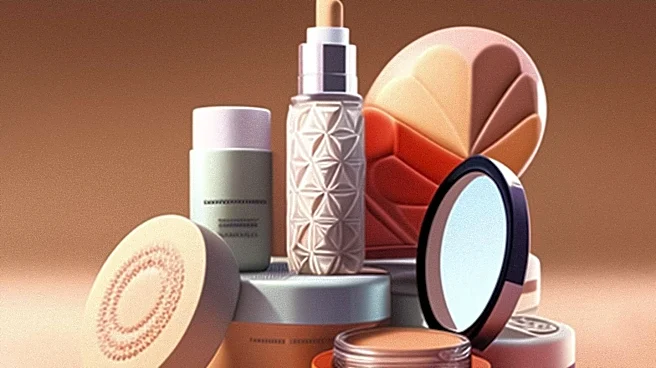
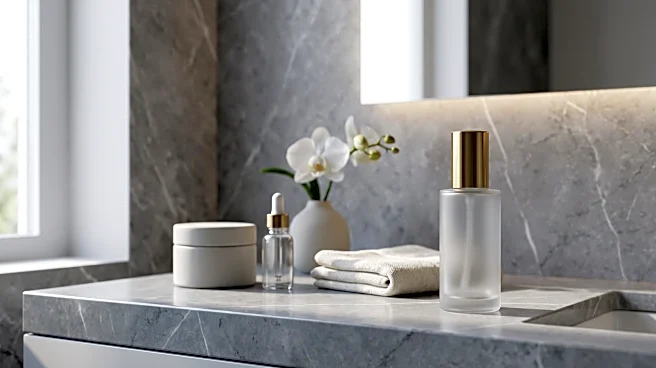
The beauty, health, and wellness industries are merging into a single retail category due to evolving consumer behavior. A new study by consulting firm AlixPartners reveals that nearly 100% of consumers now view these as one budget item, a significant
shift from when they were considered separate. Consumers are increasingly seeking products that serve multiple purposes and are more knowledgeable about their purchases, a trend AlixPartners terms the 'consumer PhD.' This change is intensifying competition among companies vying for a larger share of consumer spending. Lindy Firstenberg, co-lead of AlixPartners' beauty, health, and wellness practice, noted that consumers are as likely to trade a night cream for another night cream as they are for a personal trainer, indicating a broad consideration set.
Why It's Important?
This convergence signifies a fundamental change in consumer priorities, moving towards a more holistic view of well-being. For businesses, it means traditional market segmentation is becoming obsolete, requiring companies to innovate and expand their offerings beyond their historical boundaries. The study found a disconnect: while 40% of consumers want traditional beauty companies to broaden their product lines, 42% of executives prefer to stay in their established lanes. This executive hesitancy to adapt could lead to missed market opportunities and increased competition from agile newcomers or cross-sector entrants. Companies that successfully integrate beauty, health, and wellness into their strategies stand to gain significant market share by meeting evolving consumer demands for comprehensive solutions.
What's Next?
Companies in these sectors will likely face increasing pressure to diversify their product portfolios and adopt more integrated marketing strategies. Those that fail to recognize and adapt to this convergence risk losing relevance and market share. We can expect to see more collaborations between brands from different segments of these industries, as well as increased investment in research and development to create multi-functional products. The 'consumer PhD' trend suggests that transparency, scientific backing, and peer reviews (especially on social media) will become even more critical for product success. Executives will need to overcome their reluctance to venture outside traditional product categories to align with consumer expectations and remain competitive.
Beyond the Headlines
This trend reflects a deeper cultural shift towards self-care and preventative well-being, where consumers are actively investing in products and services that enhance their overall quality of life rather than just addressing superficial concerns. It blurs the lines between luxury and necessity, as health and wellness products become integral to daily routines. This convergence also raises ethical considerations regarding product claims and efficacy, as consumers become more discerning and demand evidence-based solutions. Long-term, it could lead to a more integrated retail landscape where traditional beauty stores offer health supplements, and pharmacies provide advanced skincare, fundamentally reshaping consumer shopping experiences and brand loyalties.