



What's Happening?
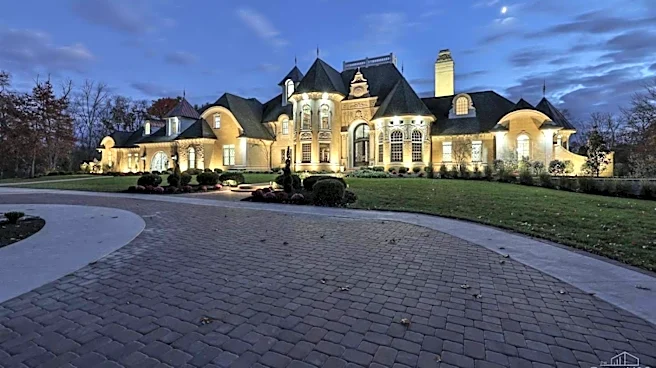
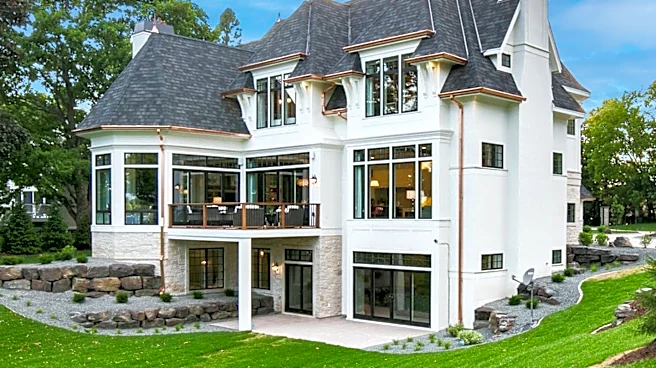
A Los Angeles estate located at 1877 Rising Glen Road, minutes from the Sunset Strip and Beverly Hills, has been listed for $13.75 million. The 8,339-square-foot contemporary residence features custom interiors by Kathleen and Tommy Clements of the AD100
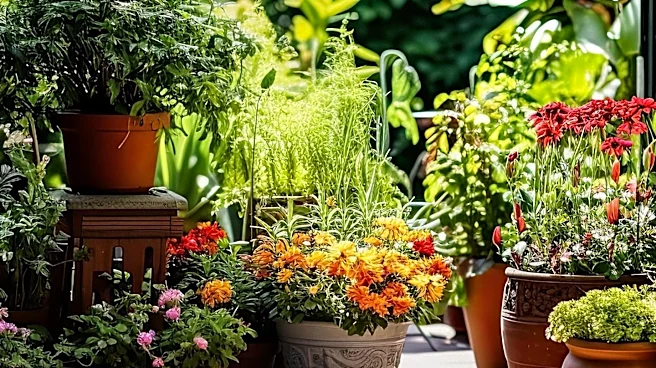
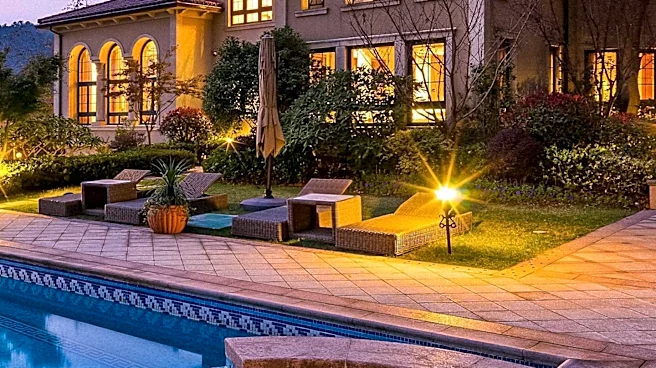
firm Clements Design. A unique highlight of the property is its 1,000-square-foot, multilevel edible garden, which produces fruits and vegetables year-round and is professionally serviced three times a week. This garden allows for a farm-to-table lifestyle directly from the backyard. The estate, set on over half an acre, is designed for indoor-outdoor living with disappearing walls of glass, city views, and a flat backyard featuring an 80-foot swimming pool with a marble waterfall. Additional amenities include a chef's kitchen with Miele appliances, a floor-to-ceiling wine refrigerator, a library, home theater, gym, bar, lounge, and a separate lower structure with a full bedroom suite for guests or a home office.
Why It's Important?
This listing signifies a growing trend in the luxury real estate market towards integrated, sustainable living, even within urban environments. The inclusion of a professionally maintained, expansive edible garden in a multi-million dollar Los Angeles estate highlights a shift in buyer preferences, where self-sufficiency and access to fresh, organic produce are becoming as desirable as high-end finishes and amenities. This 'farm-to-table' concept, implemented at a luxury scale, reflects an increasing awareness of health, environmental consciousness, and a desire for unique lifestyle offerings among affluent buyers. The significant investment in such a garden, estimated at six figures, indicates that developers and homeowners are willing to allocate substantial resources to these features. This trend could influence future luxury residential developments, encouraging more integration of green spaces and sustainable practices, and potentially setting new standards for what constitutes a premium amenity in high-value properties.
What's Next?
The property, listed by Cory Weiss of Douglas Elliman, will be marketed to potential buyers seeking a blend of luxury, privacy, and sustainable living. The unique selling proposition of the edible garden is likely to attract a specific niche of affluent individuals who prioritize health, fresh produce, and a connection to nature without sacrificing urban convenience. If the property sells at or near its asking price, it could further validate the market for luxury homes with significant integrated agricultural components. This could encourage other developers in high-value real estate markets to incorporate similar features, potentially leading to an increase in professionally managed edible gardens and other sustainable elements in future luxury residential projects. The success of this listing may also inspire landscape architects and designers to specialize in creating high-end, functional edible landscapes for private residences.
Beyond the Headlines
The integration of a large-scale edible garden into a luxury estate like this points to a deeper cultural shift beyond mere aesthetics or convenience. It suggests a re-evaluation of values among the wealthy, moving towards a more holistic and self-sufficient lifestyle, even amidst urban opulence. This trend could be seen as a response to concerns about food sourcing, environmental impact, and a desire for greater control over personal consumption. The 'farm-to-table' movement, traditionally associated with restaurants and smaller-scale initiatives, is now manifesting in private residences, blurring the lines between urban living and agricultural practices. This development also raises questions about the future of urban planning and how green spaces, particularly those with productive functions, can be integrated into high-density areas, potentially influencing policy discussions around urban agriculture and sustainable development in affluent communities.