






What's Happening?
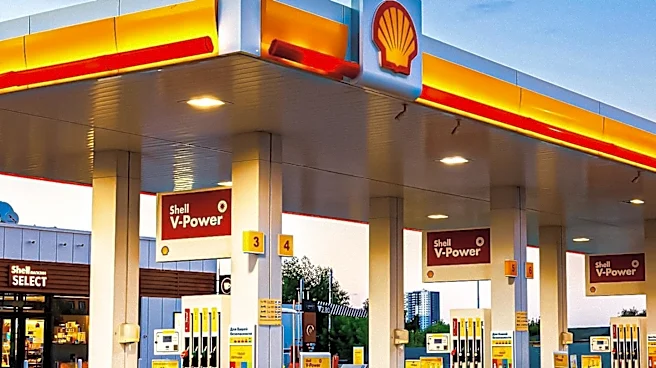
Shell is exploring the sale of its multibillion-dollar U.S. chemicals assets, with potential bidders including ExxonMobil and LyondellBasell expressing interest. This move is part of Shell's broader strategy to divest underperforming parts of its operations.
The U.S. chemical plants are located across four sites in Louisiana, Texas, and Pennsylvania, producing a variety of chemicals used in plastics, detergents, and pharmaceuticals. Notably, the Monaca, Pennsylvania, complex, which began operations in 2022 and represents a $14 billion investment by Shell, produces up to 1.6 million tonnes of polymers annually. Other interested parties include private equity group Apollo and the chemicals arm of state-owned Kuwait Petroleum Corporation. Non-binding indicative offers were submitted last month, with proposals ranging from acquiring the entire business to specific parts. The cumulative value of these assets could reach up to $8 billion, although there is no guarantee that the sale process will result in a transaction. This potential sale represents a significant discount to Shell's total investment in these facilities.
Why It's Important?
This potential divestment by Shell has significant implications for the U.S. chemical industry and the broader energy sector. An $8 billion sale would represent a major transaction, potentially reshaping the competitive landscape of chemical production in the United States. For Shell, offloading these assets aligns with its strategy to reduce exposure to its chemicals portfolio, which has historically underperformed. This move allows Shell to reallocate capital to more profitable ventures or to strengthen other parts of its business. For potential buyers like ExxonMobil, acquiring these assets could expand their chemical production capacity and market share, leveraging existing infrastructure and customer bases. The interest from various bidders, including private equity and state-owned corporations, highlights the strategic value of these assets despite Shell's decision to sell. The long-term trend of declining demand for road fuels and increasing demand for chemicals, particularly for plastics, makes these assets attractive for companies looking to diversify their energy value chain.
What's Next?
The sale process for Shell's U.S. chemical assets is ongoing, with non-binding offers already submitted. The next steps will involve Shell evaluating these offers and potentially entering into more detailed negotiations with selected bidders. There is no guarantee that a transaction will materialize, as Shell has indicated it will be patient and avoid selling at 'bottom-of-cycle conditions.' Shell is also working with advisers to market its chemical assets in Europe, though these are expected to be of lower value. The outcome of this sale will influence Shell's financial performance and strategic direction, as well as the competitive dynamics within the U.S. chemical industry. The broader trend of oil companies expanding their investments in the chemical sector, as seen with Chevron, Adnoc, and Saudi Aramco, suggests that these assets remain strategically important for long-term growth in the energy value chain.
Beyond the Headlines
Shell's decision to divest its U.S. chemical assets, despite significant prior investment, underscores a broader strategic re-evaluation within the global energy industry. As the world transitions towards cleaner energy, major oil companies are increasingly scrutinizing their portfolios, shedding assets that do not align with future growth trajectories or profitability targets. The shift towards chemicals reflects an understanding that while demand for traditional fuels may decline, the need for chemical products, particularly plastics, is projected to continue growing. This strategic pivot highlights the adaptability required of large corporations in a changing global economy. However, it also raises questions about the environmental impact of increased chemical production, particularly plastics, and the industry's responsibility in managing waste and pollution. The potential acquisition by competitors like ExxonMobil could lead to further consolidation in the chemical sector, impacting market competition and innovation.