
What's Happening?
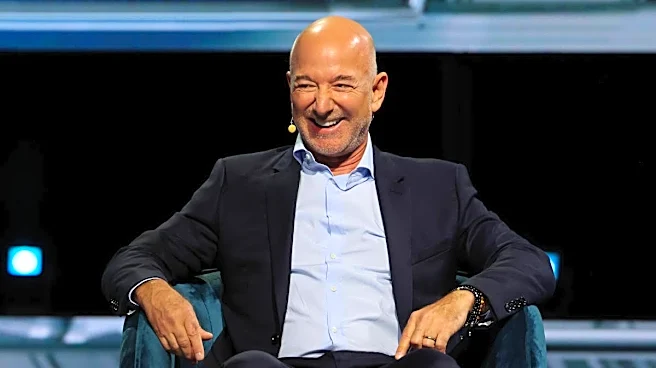
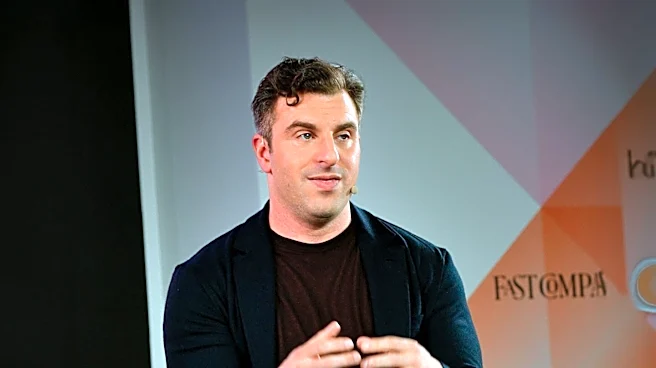
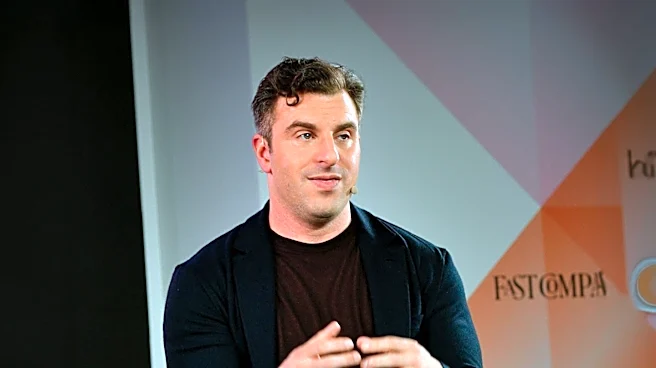
Airbnb CEO Brian Chesky is among a growing number of top global CEOs who are actively prioritizing their health, fitness, and longevity as a critical component of their professional success. Chesky publicly rejects the 'hustle-culture' norm of sacrificing
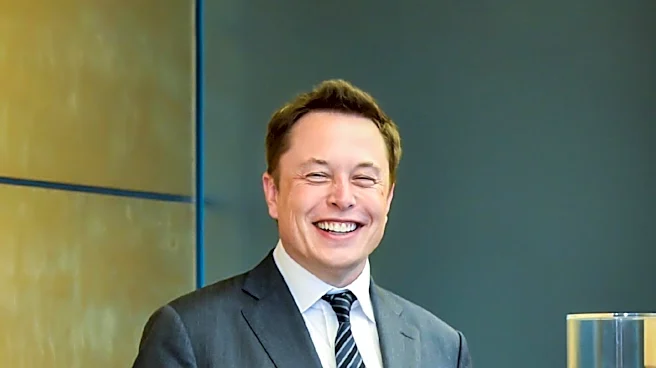
sleep, aiming for at least seven hours of sleep per night. His routine also includes weight training four times a week and daily meditation. This approach aligns with a broader trend among successful business leaders, including Mark Zuckerberg of Meta and Jeff Bezos of Amazon, who view disciplined health practices as essential for peak performance and a competitive edge. Dr. Wallace Brucker, MD, of LV Longevity Lab in Las Vegas, notes that these leaders treat wellness not as a reward, but as a requirement for success, emphasizing data-driven approaches to optimize their physical and mental well-being.
Why It's Important?
The emphasis by prominent CEOs like Brian Chesky on health and wellness as a strategic business advantage signals a significant cultural shift in the corporate world. This trend challenges the traditional 'work-at-all-costs' mentality, promoting a more holistic view of productivity and leadership. For U.S. businesses, this could lead to increased investment in employee wellness programs, a greater focus on work-life balance, and a re-evaluation of corporate culture to support healthier lifestyles. The recognition that physical and mental well-being directly impacts cognitive function, decision-making, and overall leadership effectiveness can drive innovation in corporate health initiatives. This shift also highlights the growing market for longevity optimization services, as executives seek data-driven methods to maintain peak performance throughout their careers, potentially influencing healthcare and wellness industries to cater more to this demand.
What's Next?
This growing trend among top executives is likely to influence corporate culture and employee benefits across various industries. Companies may increasingly adopt policies that encourage adequate sleep, regular exercise, and mental well-being, moving beyond basic wellness programs to more integrated and personalized health strategies. The demand for specialized longevity and performance optimization services, as offered by practices like LV Longevity Lab, is expected to grow, catering to executives and high-performers seeking data-driven health interventions. This could also lead to more public discourse and research on the direct correlation between executive health and business outcomes, further solidifying the idea that personal well-being is a strategic asset in the competitive business landscape. The long-term impact could be a more sustainable and human-centric approach to leadership and corporate success.
Beyond the Headlines
The prioritization of health by CEOs like Brian Chesky delves into deeper societal and ethical considerations regarding the nature of work and success. It challenges the long-held belief that extreme sacrifice is a prerequisite for achieving top-tier professional accomplishments, suggesting that sustainable high performance is rooted in self-care and balance. This shift could have a profound cultural impact, encouraging a re-evaluation of societal values placed on 'busyness' and 'grind culture.' It also raises questions about accessibility to such comprehensive wellness resources, as personalized longevity optimization often comes with a significant cost, potentially widening the gap between those who can afford to optimize their health for career advantage and those who cannot. Ultimately, this trend could reshape our understanding of what it means to be a successful leader, emphasizing resilience and well-being as much as ambition and drive.