




What's Happening?
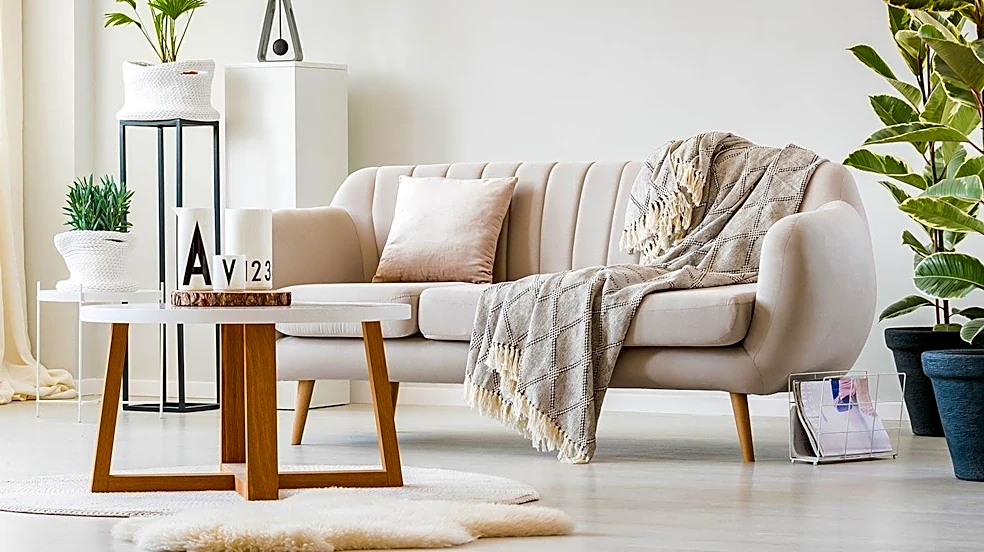
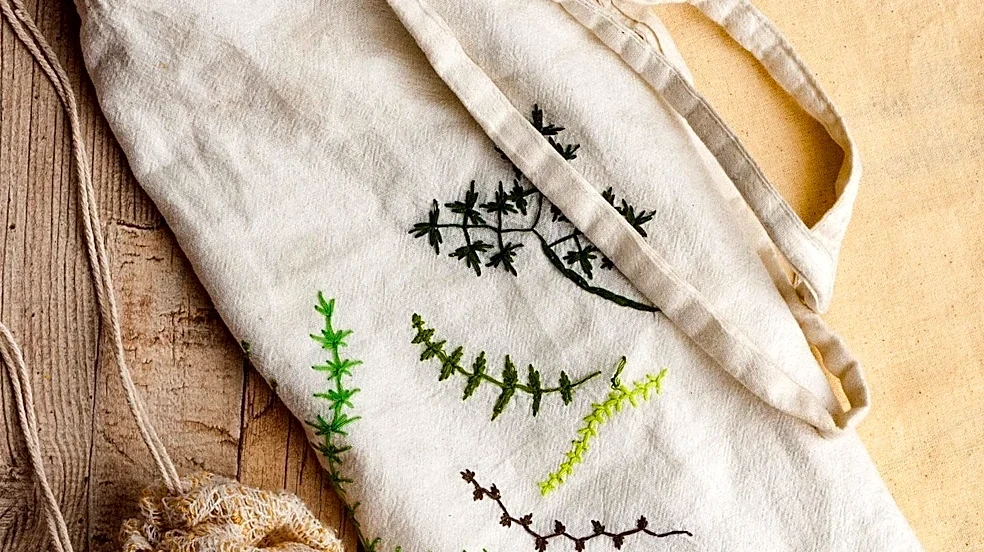
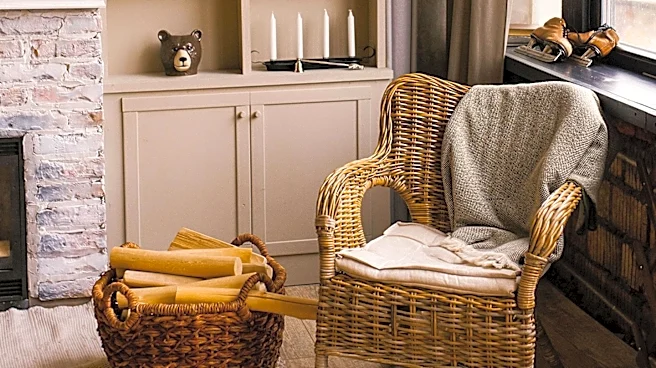
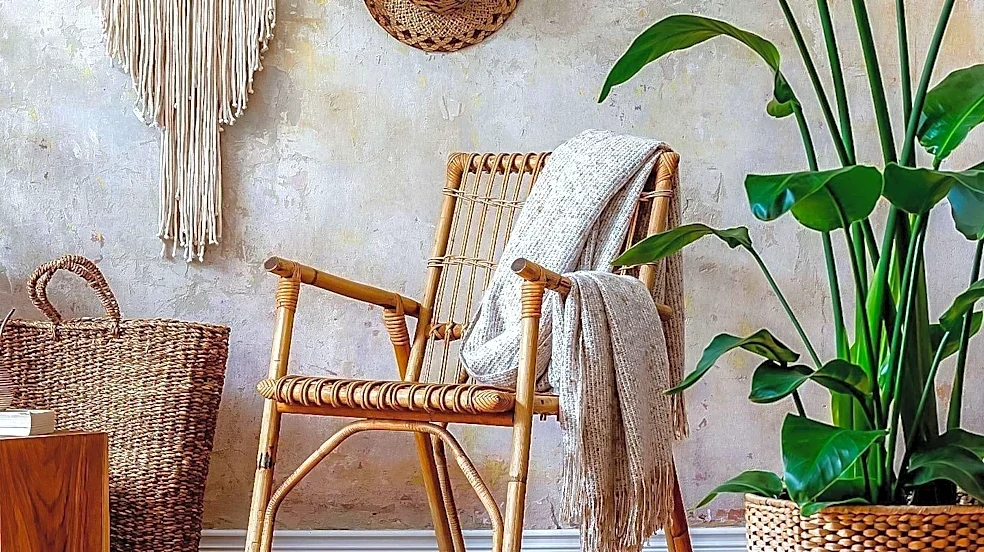
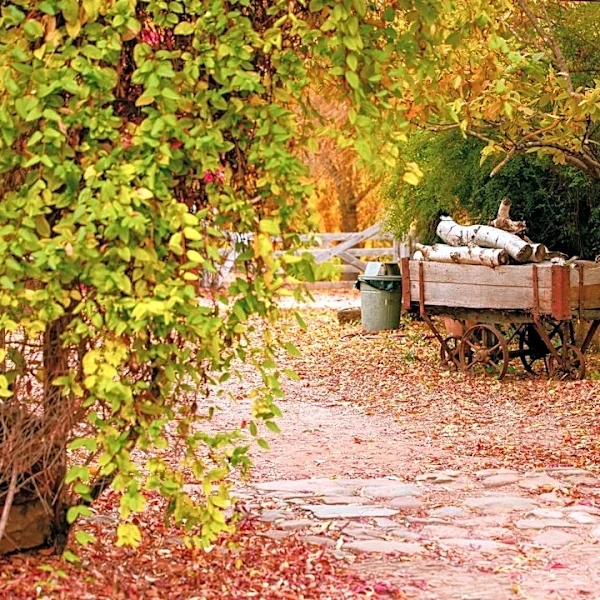
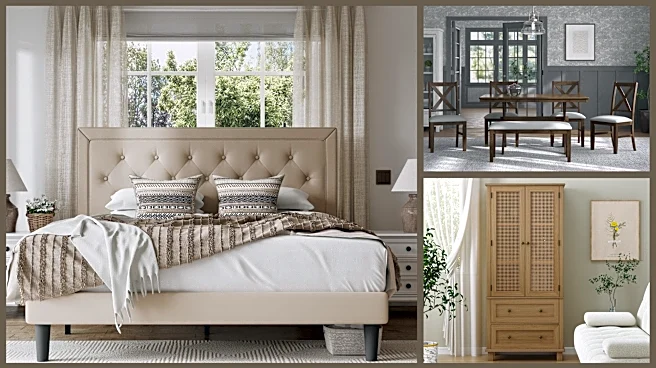
The cottagecore aesthetic, which emerged in 2017 and gained significant popularity during the pandemic, remains a prominent trend in home decor and lifestyle. This aesthetic romanticizes a simple, rural life, emphasizing nature, vintage items, and handmade
goods. It is characterized by elements such as hand-painted glass pitchers, rustic kitchen essentials, and floral motifs. The trend initially spread through platforms like Tumblr, Pinterest, Instagram, and TikTok, resonating with individuals seeking comfort and a slower pace of life during uncertain times. While big box stores offer mass-produced items inspired by cottagecore, many enthusiasts prefer authentic vintage and secondhand pieces to achieve the desired look and feel. The aesthetic is also closely related to other similar styles, including grandmacore, fairycore, goblincore, Grandmillennial, witchcore, and dark cottagecore, all sharing common threads like an embrace of nature, layered decor, nostalgia, and a focus on items with a story.
Why It's Important?
The enduring popularity of cottagecore reflects a broader societal inclination towards comfort, nostalgia, and a desire for simpler living, especially in the wake of global events like the pandemic. This trend significantly impacts the retail and home decor industries, driving demand for vintage, handmade, and nature-inspired products. Small businesses and artisans specializing in unique, handcrafted items stand to benefit, as consumers prioritize authenticity over mass production. The emphasis on secondhand and vintage goods also promotes sustainable consumption practices, influencing consumer behavior and potentially reducing the environmental footprint associated with new manufacturing. Furthermore, the aesthetic's focus on creating cozy, comforting home environments highlights a shift in consumer priorities towards well-being and personal sanctuary, influencing design choices and product development across various sectors, from textiles to gardening supplies.
What's Next?
Given its sustained popularity and evolution into related aesthetics, cottagecore is likely to continue influencing home decor and lifestyle trends. Retailers and designers will probably further integrate elements of cottagecore and its sub-genres into their collections, offering both authentic vintage options and thoughtfully designed new products that evoke a similar sentiment. The DIY and crafting communities are also expected to remain active, as the aesthetic strongly encourages personalization and handmade items. We may see continued innovation in how individuals incorporate cottagecore into urban living spaces, demonstrating its adaptability beyond traditional rural settings. The trend's emphasis on sustainability and conscious consumption could also lead to increased interest in upcycling and repurposing, further shaping consumer habits and market offerings in the coming years.
Beyond the Headlines
Beyond its surface appeal, cottagecore taps into deeper psychological and cultural desires for escapism and a return to perceived simpler times. In an increasingly digital and fast-paced world, the aesthetic offers a tangible connection to nature, craftsmanship, and a sense of rootedness. It can be seen as a form of cultural resistance against hyper-consumerism and the pressures of modern life, promoting values of self-sufficiency, community, and appreciation for the natural world. The rise of cottagecore also highlights the power of online communities and social media in shaping and disseminating cultural trends, demonstrating how niche interests can gain widespread traction and influence mainstream markets. This aesthetic encourages a mindful approach to living, fostering a sense of peace and contentment through intentional choices in one's environment and daily routines.