






What's Happening?
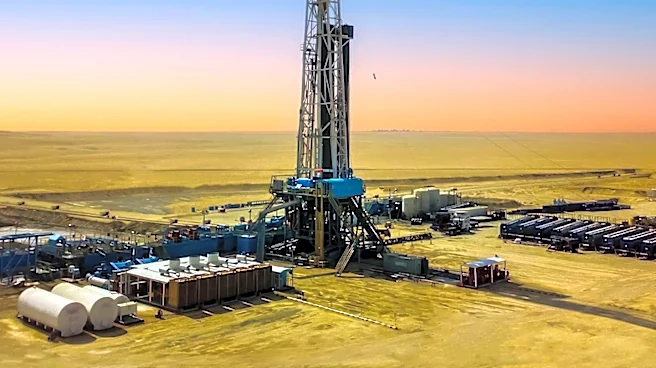
Barkly Rare Earths has submitted the first batch of samples from its 10,000-meter phase one resource drilling program to ALS Geochemistry in Brisbane for analysis. This program targets shallow mineralization around the existing 40-million-tonne inferred
mineral resource at the company's flagship Barkly Project in the Northern Territory. The resource contains 82,000 tonnes of total rare earth oxide (TREO) and remains open in all directions. Managing Director Craig Wright emphasized the transition from drilling to assay results, with ongoing exploration results expected throughout the third and fourth quarters of 2026. A mineral resource update is planned for the fourth quarter, contingent on drilling and laboratory assay progress. Additionally, Barkly Rare Earths plans to conduct rare earths concentration and extraction testing, alongside geo-metallurgical test work and modeling during the same period.
Why It's Important?
The advancement of Barkly Rare Earths' drilling program is significant for the rare earths industry, which is crucial for various high-tech applications, including electronics and renewable energy technologies. The successful expansion of the resource could enhance the company's position in the market and contribute to the global supply of rare earth elements. This development is particularly relevant as the demand for rare earths continues to grow, driven by the increasing adoption of green technologies and the strategic importance of these materials in national security and technological innovation. The results of this drilling program could potentially lead to increased investment and development in the region, boosting local economies and providing new opportunities for employment.
What's Next?
Barkly Rare Earths plans to continue its exploration efforts with further drilling and analysis throughout the remainder of 2026. The company is also preparing for a mineral resource update in the fourth quarter, which will depend on the progress of drilling and laboratory assays. Additionally, exploration results from the Buntine Project are expected in the third quarter, with follow-up exploration planned for the fourth quarter. These activities indicate a robust pipeline of exploration and development work that could lead to significant resource upgrades and potential new discoveries.