





What's Happening?
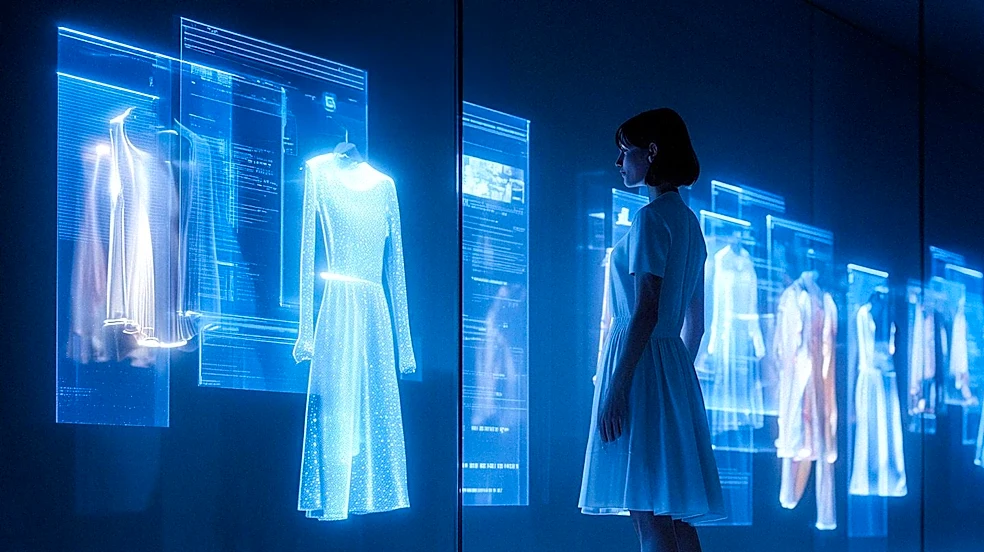
Virtual try-on tools are emerging as a significant development in online apparel retail, allowing consumers to visualize clothing on themselves or models before purchase. Companies like Vorla offer AI-powered tools that create professional fashion models wearing
specific garments, accessible online without account creation or app installation. Outfity enables users to try on clothes they already own by rendering outfits on their photos. Mage's virtual try-on uses AI to dress a user's photo in a garment while preserving their facial features, pose, and background. ImageGPT also provides a tool for users to assess garment fit. Despite the growing availability and sophistication of these tools, the evidence regarding their effectiveness in reducing product returns is limited. A randomized field experiment by Gallino and Moreno (2018) found that a virtual fitting room reduced returns and multi-size orders for a Latin American clothing retailer. However, no independent study has yet measured the direct effect of AI photo try-on on return rates, and some research suggests that overly optimistic previews can even lead to increased disappointment and returns.
Why It's Important?
The widespread adoption of virtual try-on tools could significantly impact the U.S. online retail sector, particularly in apparel. Online apparel returns are a substantial issue, with Coresight Research estimating a 24.4% return rate for U.S. online apparel orders in 2023, primarily due to size and fit issues. If virtual try-on tools can effectively address these concerns, retailers stand to gain by reducing operational costs associated with returns, improving customer satisfaction, and potentially increasing conversion rates. However, the current lack of conclusive evidence on return reduction means retailers must carefully evaluate the actual benefits. Over-promising capabilities could lead to negative customer experiences, as studies indicate that if virtual previews create inflated expectations that the physical product fails to meet, it can lead to greater customer dissatisfaction and blame directed at the retailer. Therefore, the integrity and accuracy of these virtual representations are crucial for their long-term success and positive impact on the industry.
What's Next?
The future of virtual try-on tools will likely involve continued technological advancements aimed at improving realism and accuracy. As AI and rendering capabilities evolve, these tools may become more sophisticated in depicting how garments drape, fit, and appear on diverse body types, potentially addressing more nuanced aspects of fit beyond just size. Retailers are expected to increasingly integrate these tools into their e-commerce platforms, driven by the potential for enhanced customer engagement and differentiation in a competitive market. However, a critical next step for the industry will be the development of independent, rigorous studies to definitively measure the impact of AI photo try-on on return rates. Such research will be essential for retailers to make informed investment decisions and for consumers to trust the utility of these tools. Furthermore, companies developing these technologies will need to focus on ensuring that virtual representations are faithful to the actual product to avoid the 'AR Confidence Paradox,' where inflated expectations lead to greater disappointment upon delivery.
Beyond the Headlines
Beyond the immediate commercial implications, the rise of virtual try-on tools touches upon broader ethical and psychological dimensions. The accuracy and realism of these tools raise questions about digital representation and body image. If virtual try-on consistently presents an idealized version of how clothing looks, it could inadvertently contribute to unrealistic beauty standards or body dissatisfaction. There's also a legal dimension concerning consumer protection; if virtual try-on tools consistently misrepresent products, it could lead to disputes and calls for clearer regulations regarding digital product visualization. Culturally, these tools could further blur the lines between the physical and digital shopping experience, potentially altering consumer expectations for online retail. The long-term shift could see a greater emphasis on personalized digital experiences, where consumers expect highly customized and interactive ways to engage with products before purchase, pushing retailers to invest more heavily in advanced visualization technologies and data-driven personalization strategies.