






What's Happening?
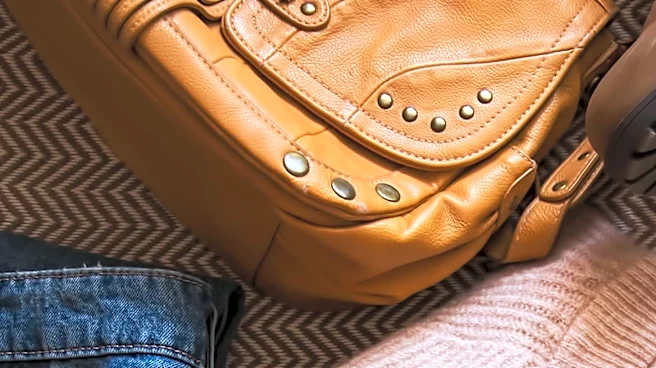
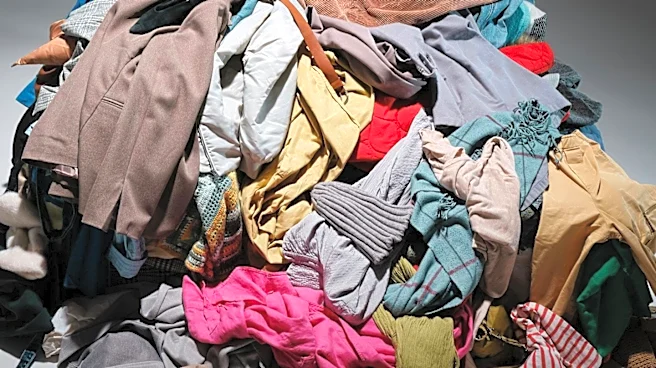
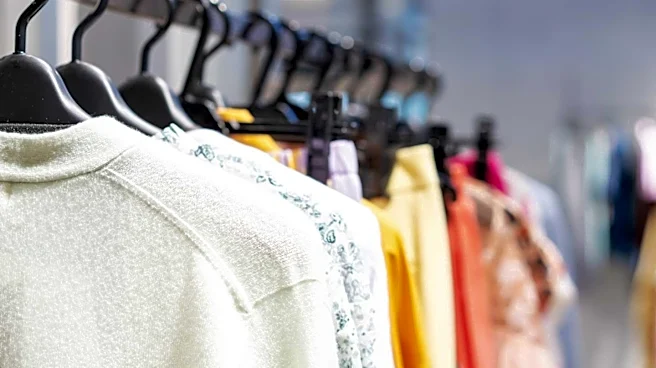
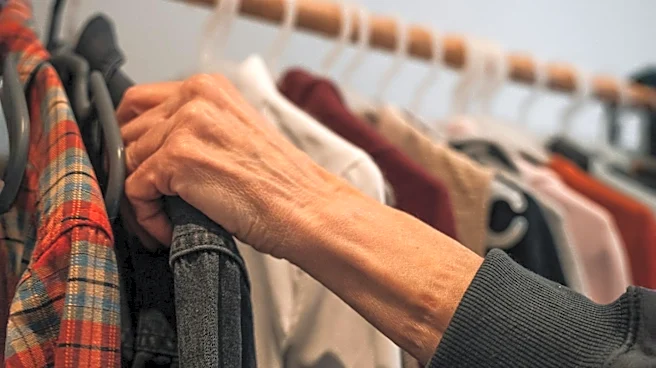
The University of Dayton's Circularity Team has launched a Clothing Swap program to address the environmental impact of the fashion industry, particularly fast fashion. This initiative, which began in Fall 2024, allows students to donate and swap clothes
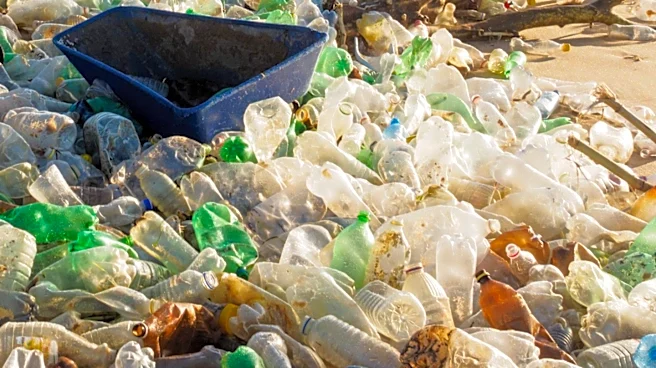
for free, promoting reuse and reducing textile waste. The program has seen nearly 500 students participate, with approximately 1,000 pounds of clothing swapped or donated. Surplus items are then given to St. Vincent De Paul, further supporting the local community. The Circularity Team's mission is to develop and support programs that encourage circular practices on campus and integrate sustainability into students' daily lives. This effort comes in response to research highlighting that synthetic fibers like polyester are carbon-intensive to produce and release microplastics into waterways when washed, contributing to environmental harm. The UN Environment Programme states that the fashion industry accounts for 2-8% of global greenhouse gas emissions and uses an equivalent of 86 million Olympic-sized swimming pools of water annually.
Why It's Important?
This initiative by the University of Dayton is important as it directly tackles the significant environmental footprint of the fashion industry, which is a major contributor to global greenhouse gas emissions and water consumption. By promoting a circular economy model through clothing swaps, the program reduces the demand for new clothing production, thereby lessening the environmental burden associated with manufacturing, transportation, and disposal. The focus on reusing garments helps to mitigate issues such as microplastic pollution from synthetic fibers and the carbon intensity of production. Furthermore, the program educates students on sustainable practices, fostering a generation of consumers who are more aware of their purchasing habits' impact. This model could serve as a blueprint for other educational institutions and communities looking to implement practical, accessible solutions for textile waste reduction and sustainable consumption, ultimately contributing to broader environmental conservation efforts in the U.S.
What's Next?
The University of Dayton's Clothing Swap program is expected to continue its efforts to expand participation and impact. The Circularity Team will likely maintain its schedule of collecting and sorting donated clothes throughout each semester, facilitating regular swap events for students. The ongoing donation of surplus items to St. Vincent De Paul will ensure that clothes continue to be reused within the wider Dayton community, extending the program's reach beyond the campus. Future plans may include increasing awareness campaigns to encourage more students to donate and participate, further reducing reliance on fast fashion. The success of this program could also inspire other universities and organizations to adopt similar circular economy initiatives, potentially leading to a broader movement towards sustainable fashion practices across the U.S. educational landscape and beyond.
Beyond the Headlines
Beyond the immediate environmental benefits, the University of Dayton's Clothing Swap program addresses deeper cultural and economic implications related to consumerism and waste. It challenges the prevailing 'throwaway culture' often associated with fast fashion, particularly among college students who may be drawn to inexpensive, trendy clothing. By offering a free and accessible alternative, the program encourages a shift in mindset from constant consumption to conscious reuse. This initiative also highlights the potential for community-based solutions to global environmental problems, demonstrating how local actions can contribute to a more sustainable future. Ethically, it promotes resourcefulness and reduces the exploitation of labor and resources often linked to rapid fashion production. The program's success could foster a greater appreciation for the longevity and value of clothing, moving away from the transient nature of fast fashion trends and towards a more sustainable and equitable fashion ecosystem.