







What's Happening?
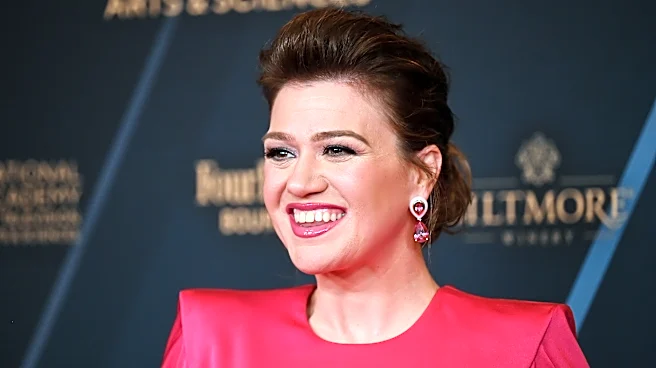
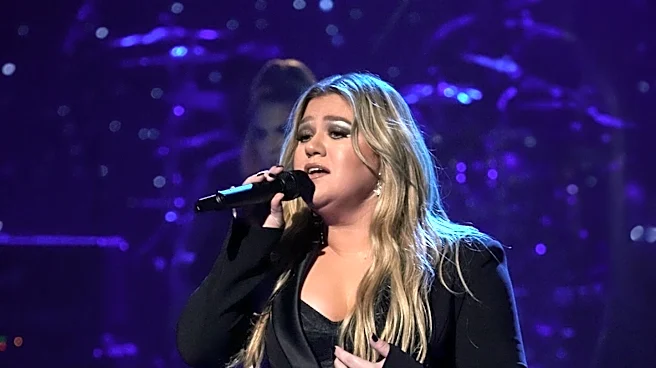
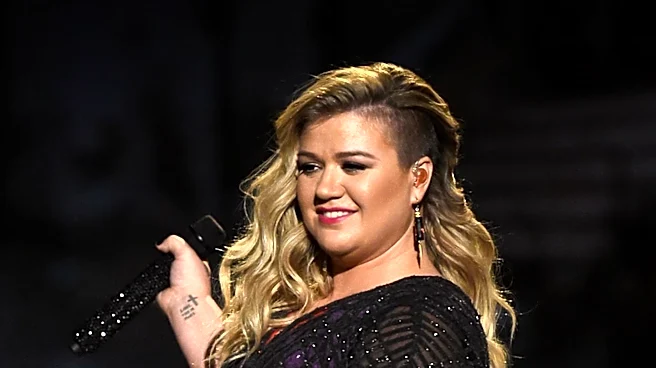
Singer Kelly Clarkson publicly criticized Art of Play, a novelty shop in Brooklyn, alleging she was treated poorly and judged during a visit. Clarkson stated on X that she was "looked at as if I couldn’t afford it" and was told by a staff member they
could find something comparable for her after she inquired about an item. She compared the experience to Julia Roberts' character in 'Pretty Woman' and urged her followers to visit if they enjoyed similar treatment. In response, Art of Play issued a statement on Instagram, clarifying that the item Clarkson was interested in—a "one-of-a-kind singing and dancing bird automaton" named Molly—was permanently attached to the wall and not for sale. The store acknowledged the negative experience Clarkson described but defended its policy of welcoming all visitors equally and allowing them to interact with items. Art of Play also noted the significant backlash and "widespread outrage" it has received since Clarkson's initial post.
Why It's Important?
This incident highlights the significant influence celebrities wield over public perception and the immediate impact their social media posts can have on small businesses. Clarkson's initial tweet, garnering millions of views and hundreds of thousands of likes, led to widespread criticism directed at Art of Play, demonstrating the power of celebrity endorsements and condemnations. For small businesses, such negative publicity can result in substantial reputational damage and potential financial repercussions, regardless of the veracity of the claims. The situation also underscores the challenges businesses face in managing online narratives and responding to public accusations, especially when dealing with a high-profile individual. It brings to light the delicate balance between customer service, business policies, and public relations in the digital age, where a single post can ignite a social media storm.
What's Next?
Following Art of Play's response, Kelly Clarkson posted another message on X, directly refuting the store's narrative. She claimed that a conversation occurred where she pointed to a price tag for the 'Singing Bird' and was told it cost $15,000, with the staff member offering to find something comparable in a condescending tone. Clarkson further accused the store of being not only rude but also dishonest, stating, "So you’re not only rude, you’re also a liar." She emphasized her support for small businesses but asserted they are not exempt from treating people respectfully. This escalation suggests a continued public dispute, with both parties maintaining their versions of events. The situation may lead to further public debate about customer service standards, the responsibilities of public figures, and the impact of online interactions on businesses.
Beyond the Headlines
The dispute between Kelly Clarkson and Art of Play delves into broader themes of consumer experience, social media accountability, and the power dynamics between celebrities and local businesses. It raises questions about the subjective nature of customer service interactions and how they are perceived and communicated. The incident also highlights the double-edged sword of social media for businesses: while it offers unparalleled marketing opportunities, it also exposes them to rapid and widespread criticism. Ethically, the situation prompts consideration of the responsibility celebrities have when publicly critiquing businesses, given their immense platform. Legally, such public accusations, if proven false, could potentially lead to defamation claims, though such actions are rare in these types of disputes. Culturally, it reflects a growing trend where personal consumer experiences, especially those involving public figures, quickly become public spectacles, influencing consumer behavior and business reputations.