






What's Happening?
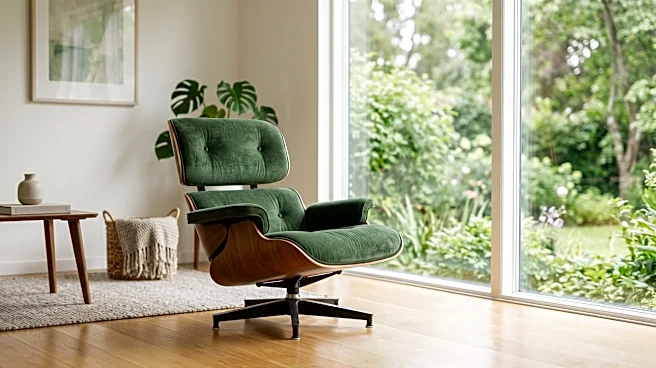
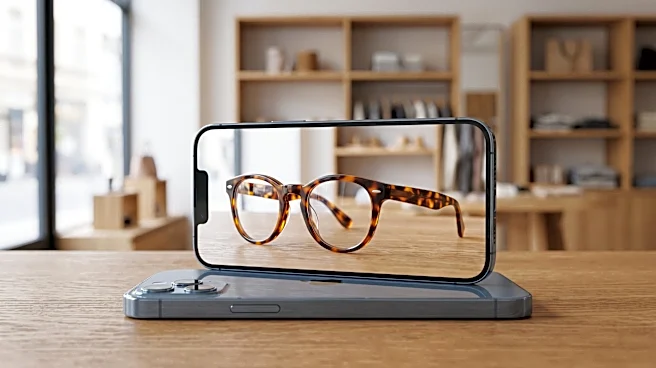
AI interior design tools are transforming how individuals approach home decoration by bridging the gap between imagination and reality. These applications utilize augmented reality (AR) and image recognition to overlay digital furniture and decor items
onto a user's actual living space. This technology allows non-professionals to visualize how different pieces will look and fit in their homes without physically moving furniture or making purchases. Users can upload a photo of their room, select a desired style category (e.g., 'Scandinavian' or 'Boho'), and the AI algorithm suggests cohesive design elements. This immediate visual feedback helps prevent costly mistakes, such as purchasing items that clash with existing decor or overwhelm a small space. The tools are designed for accessibility, focusing on intuitive mobile interfaces rather than complex 3D modeling software, making them user-friendly for a broad audience. While generative AI tools are useful for mood and color ideas, AR tools provide better scale accuracy by mapping a room's geometry in 3D.
Why It's Important?
The emergence of AI interior design tools significantly impacts the home furnishing and interior design industries by democratizing access to design visualization. Consumers can now make more informed purchasing decisions, reducing returns and dissatisfaction with furniture and decor. This shift empowers individuals to experiment with various styles and layouts, potentially increasing consumer confidence in online furniture shopping. For retailers, these tools could lead to higher customer satisfaction and reduced return rates, as customers have a clearer expectation of how products will appear in their homes. The technology also lowers the barrier to entry for home styling, allowing individuals to achieve professional-looking results without hiring an interior designer. This could lead to a broader market for home decor products as more people feel confident in their design choices, fostering innovation in both AI development for consumer applications and the retail strategies of home goods companies.
What's Next?
The future of AI interior design tools will likely see advancements in rendering realism, improved accuracy in spatial mapping, and more sophisticated integration with e-commerce platforms. As the technology evolves, users can expect more precise lighting simulations and texture renderings, making virtual previews almost indistinguishable from reality. Further integration with online retailers could allow users to directly purchase items they visualize in their homes through the app, streamlining the shopping experience. There may also be an increase in personalized AI recommendations based on user preferences, past purchases, and even mood analysis. Additionally, these tools could expand to offer more comprehensive design services, such as suggesting contractors for renovations or providing detailed material lists for DIY projects, further blurring the lines between professional design services and consumer-grade applications.
Beyond the Headlines
Beyond the immediate practical benefits, AI interior design tools raise interesting questions about the future of creativity and personal expression in home environments. While these tools offer convenience and prevent mistakes, there's a potential for homogenization of design if users rely too heavily on algorithmic suggestions, leading to less unique and more 'template-driven' interiors. Conversely, they could also empower individuals to explore bolder, more unconventional design choices they might not have considered otherwise, fostering a new wave of personalized aesthetics. The ethical implications of data privacy, particularly concerning the visual data of users' homes, will also become increasingly important. As these tools become more sophisticated, the line between AI assistance and human intuition in design will continue to evolve, prompting a re-evaluation of what constitutes 'good' design and who dictates aesthetic trends in the digital age.