






What's Happening?
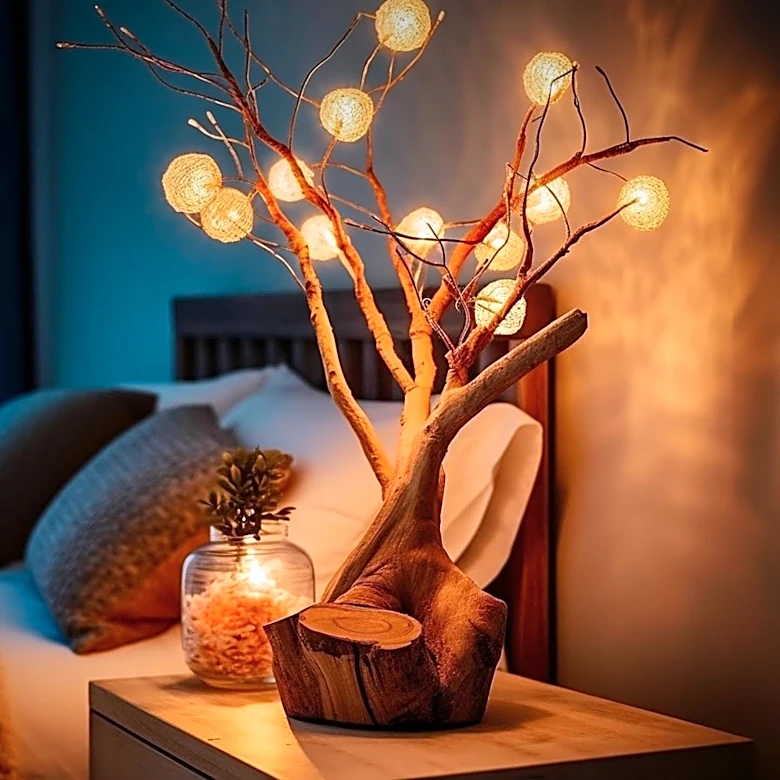
Mood lighting involves the strategic use of various lighting types to create a specific atmosphere and improve functionality within a space. This approach typically layers three main types of lighting: ambient, accent, and task. Ambient lighting provides
a soft, even base illumination for an entire room, often from ceiling fixtures or floor lamps, ensuring general visibility without harsh shadows. Accent lighting is used to draw attention to specific features like artwork, textured walls, or architectural details, adding depth and character to a room through spotlights, wall sconces, or LED strips. Task lighting delivers focused brightness for specific activities such as reading, cooking, or working, reducing eye strain and improving comfort. Modern lighting solutions, such as LED string lights and flexible LED strips, offer versatile options for customizing room or vehicle ambiance, with some technologies even allowing lights to react to music for an enhanced experience. The integration of these lighting types allows for a dynamic and adaptable environment tailored to different needs and moods.
Why It's Important?
The strategic application of mood lighting significantly impacts the usability and aesthetic appeal of residential and commercial spaces. By combining ambient, accent, and task lighting, individuals can optimize environments for various activities, from relaxation to focused work, thereby enhancing comfort and productivity. For instance, proper task lighting can prevent eye strain during prolonged activities, while accent lighting can elevate the perceived value and design of a space. The shift towards energy-efficient LED technology in mood lighting is also economically significant, as LEDs consume up to 75% less energy than traditional incandescent bulbs and have a longer lifespan, leading to reduced utility costs and less frequent replacements. This not only benefits individual consumers but also contributes to broader energy conservation efforts. The ability to customize lighting with features like sound-sync technology further allows for personalized experiences, catering to diverse preferences and modern lifestyle demands.
What's Next?
The evolution of mood lighting is expected to continue with advancements in smart home integration and personalized control. Future developments will likely focus on more intuitive and automated systems that can adapt lighting schemes based on time of day, occupancy, or user preferences, potentially through AI-driven algorithms. The expansion of sound-sync technology and other interactive lighting features will likely become more commonplace, offering immersive experiences in both residential and commercial settings. Furthermore, ongoing innovations in LED technology may lead to even greater energy efficiency, broader color spectrum capabilities, and more compact, versatile lighting fixtures. As consumers increasingly prioritize well-being and personalized environments, the demand for sophisticated mood lighting solutions that seamlessly blend aesthetics, functionality, and energy efficiency is anticipated to grow, driving further research and development in this sector.
Beyond the Headlines
Beyond its immediate functional and aesthetic benefits, mood lighting plays a subtle yet profound role in influencing human psychology and well-being. The quality and type of light can affect circadian rhythms, mood, and cognitive performance. For example, warm, dim lighting can promote relaxation and sleep, while cooler, brighter light can enhance alertness and concentration. This psychological impact extends to commercial spaces, where lighting design can influence customer behavior, productivity in workplaces, and overall brand perception. The increasing sophistication of mood lighting also raises ethical considerations regarding privacy, particularly with smart lighting systems that collect data on user habits. As lighting becomes more integrated with other smart home devices, questions about data security and the potential for surveillance may become more prominent. Culturally, the emphasis on personalized lighting reflects a broader trend towards customization and individual control over one's environment, moving beyond mere illumination to creating curated sensory experiences.