


What's Happening?
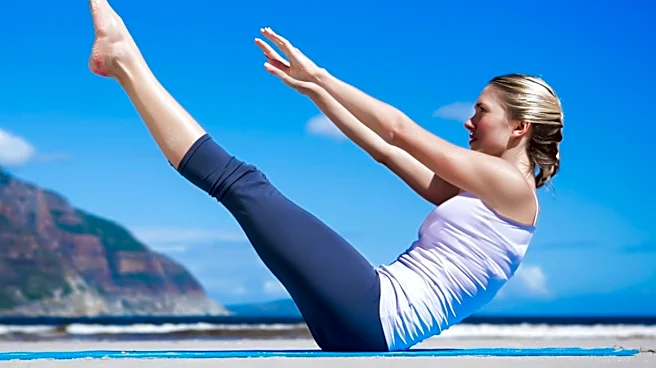
Pilates, a low-impact exercise method, is gaining recognition for its comprehensive benefits in strengthening muscles and improving overall physical well-being. Developed by Joseph Pilates, this method focuses on building strength, flexibility, coordination,
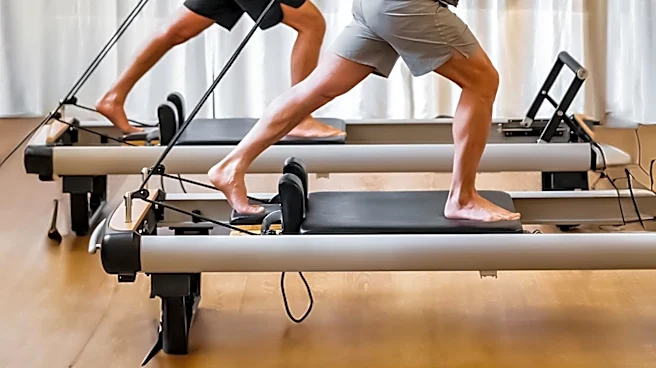
and body awareness through controlled movements. Key principles of Pilates include precise control, alignment, and breathing, with specific attention to pelvic placement, rib cage placement, scapular stabilization, and cervical alignment. The practice aims to enhance posture, improve the quality of movement, and optimize body mechanics, enabling individuals to move more efficiently in their daily lives. Both Pilates Reformer, which utilizes a spring-based machine, and Mat Pilates, focusing on deep core muscles and spinal mobility, contribute to these benefits. The method combines elements of strength, flexibility, and mobility to foster a greater sense of freedom in the body, strengthen postural muscles, and improve overall mobility. It is suitable for all fitness levels, blending traditional Pilates with contemporary techniques.
Why It's Important?
The growing popularity and documented benefits of Pilates are significant for public health and the fitness industry in the U.S. As a low-impact exercise, Pilates offers an accessible option for individuals seeking to improve their physical health without the high-impact stress associated with some traditional workouts. This is particularly important for an aging population or those with pre-existing conditions, as it provides a safe yet effective way to build strength and flexibility. The emphasis on core strength and postural improvement can lead to reduced back pain and better overall body alignment, which are common issues in a sedentary society. For the fitness industry, the demand for Pilates classes, both mat and reformer-based, presents opportunities for studios and instructors. The method's focus on individualized progress and body awareness also aligns with a broader trend towards mindful movement and holistic health, potentially influencing how exercise is approached and marketed across the nation.
What's Next?
The continued integration of Pilates into mainstream fitness and wellness programs is expected. As awareness of its benefits grows, more fitness centers and specialized studios are likely to offer a wider range of Pilates classes, including beginner and introductory sessions, to accommodate new participants. There may also be an increase in demand for certified Pilates instructors, leading to more training and certification programs. Furthermore, the method's adaptability to various fitness levels suggests its potential for broader application in rehabilitation settings and for specific populations, such as pregnant individuals or those recovering from injuries. The development of new equipment and variations of Pilates exercises could also emerge, further diversifying the practice and making it accessible to an even wider audience. Studios will likely continue to emphasize the importance of proper attire, such as grip socks, and encourage communication with instructors regarding any physical limitations.
Beyond the Headlines
Beyond its immediate physical benefits, Pilates embodies a deeper philosophy of mind-body connection that has broader implications for well-being in the U.S. The emphasis on control, precision, and breath encourages practitioners to be more present and aware of their bodies, fostering a sense of mindfulness that can extend beyond the exercise mat. This focus on internal sensation and controlled movement can serve as a counterpoint to the often fast-paced and high-stress modern lifestyle, offering a form of active meditation. Ethically, the method promotes a non-competitive approach to fitness, encouraging individuals to listen to their bodies and progress at their own pace, which can be empowering and contribute to a healthier relationship with exercise. Culturally, the rise of Pilates reflects a shift towards valuing functional movement and sustainable fitness practices over purely aesthetic goals, potentially influencing societal perceptions of health and beauty.