




What's Happening?
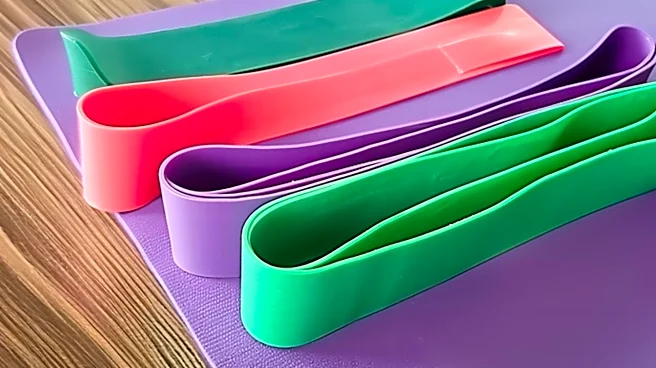
The market for resistance bands is characterized by a wide array of suppliers catering to different business models, from dropshipping to private-label manufacturing. Popular resistance band types include loop bands, fabric hip bands, pull-up assistance
bands, tube sets with handles, and multi-level resistance-band kits. Companies like ScaleOrder offer comprehensive solutions for dropshippers, integrating sourcing, procurement, quality inspection, warehousing, packaging, shipping, and order automation. This allows new stores to test various products without significant inventory commitment. For businesses looking to develop their own brand, specialized manufacturers such as TAICLET and FDM Sport provide OEM services, including custom colors, logo printing, and specific material controls like latex-free TPE options. These manufacturers often have higher minimum order quantities (MOQs) but offer factory-direct pricing and greater control over product consistency. Established fitness suppliers like Serious Steel Fitness, Power Systems, and Perform Better focus on professional-grade equipment, targeting strength training, rehabilitation, and functional training markets with a broader catalog beyond just resistance bands. Chinese manufacturers like Jiangsu ShareWin Fitness and Danyang NQ Sports also offer competitive pricing and customization for bulk purchasing.
Why It's Important?
The diverse landscape of resistance band suppliers is crucial for the U.S. fitness industry, impacting both small e-commerce businesses and larger fitness brands. For dropshippers and new online retailers, the availability of flexible fulfillment services like ScaleOrder reduces initial investment and risk, enabling quicker market entry and product testing. This fosters entrepreneurship and allows for rapid adaptation to consumer trends in the fitness sector. For established brands, the option to work directly with manufacturers for private labeling and customization, as offered by TAICLET or FDM Sport, is vital for product differentiation and maintaining brand integrity in a competitive market. The emphasis on material consistency and resistance accuracy from these manufacturers ensures product quality, which is essential for customer satisfaction and safety in fitness equipment. Furthermore, the specialization of suppliers like Serious Steel Fitness in strength training or Perform Better in rehabilitation allows for targeted product offerings, catering to specific segments of the U.S. fitness and healthcare markets. This segmentation helps meet the varied demands of consumers, from casual home users to professional athletes and physical therapy clients.
What's Next?
The resistance band market is expected to continue evolving with a focus on customization, material innovation, and streamlined fulfillment. Businesses, especially those in the U.S., will likely increasingly leverage integrated platforms for dropshipping to minimize operational complexities and scale efficiently. As demand for personalized fitness solutions grows, manufacturers offering custom colors, logos, and packaging will become more critical for brands seeking to stand out. There will also be a continued emphasis on material science, with a potential shift towards latex-free options like TPE to cater to a broader customer base with sensitivities. Suppliers will need to maintain high standards of product consistency and resistance accuracy to meet consumer expectations and regulatory requirements. The trend of testing products with flexible fulfillment first, then transitioning to factory-direct sourcing for successful SKUs, is anticipated to become a standard strategy for long-term business sustainability in the U.S. fitness accessories market. Additionally, the integration of resistance bands into broader fitness and rehabilitation programs will drive demand for suppliers offering comprehensive catalogs and professional-grade equipment.
Beyond the Headlines
Beyond the immediate commercial aspects, the evolution of the resistance band market reflects broader shifts in consumer behavior and the fitness industry. The rise of dropshipping and private labeling democratizes access to the fitness market, allowing smaller businesses to compete with larger established brands. This fosters innovation and variety in product offerings. The focus on material quality and consistency also highlights a growing consumer awareness regarding product safety and efficacy in fitness equipment. The availability of specialized bands for different training needs, such as strength training or rehabilitation, underscores a more nuanced understanding of physical fitness and health. This trend could lead to more personalized exercise routines and a greater emphasis on functional training. Furthermore, the global supply chain dynamics, with many manufacturers based in China, bring considerations of ethical sourcing, quality control, and international logistics to the forefront for U.S. businesses. The ability to effectively manage these aspects will be crucial for success and for building consumer trust in the long run.