










What's Happening?
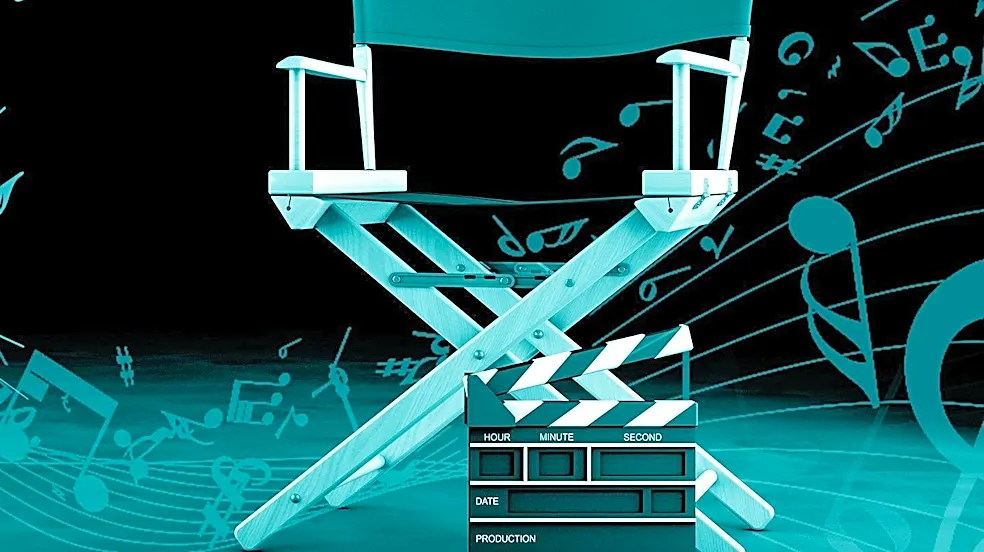
Clint Mansell's 'Lux Aeterna,' the dramatic theme from Darren Aronofsky's 2000 psychological drama 'Requiem for a Dream,' remains a highly recognized and impactful piece of film music. Performed by the Kronos Quartet, the composition gained further widespread
recognition through its orchestral adaptation, 'Requiem for a Tower,' used in the 2002 trailer for 'The Lord of the Rings: The Two Towers.' This adaptation, created by trailer-music specialists, expanded the original's intimate, haunting character into a more dramatic and heroic sound. The piece's simple yet emotionally intense musical idea has made it a popular choice for various dramatic videos, sports highlights, and internet memes, demonstrating its versatility and lasting cultural footprint.
Why It's Important?
The enduring popularity of 'Lux Aeterna' underscores the significant role of film scores in shaping cultural memory and influencing broader media. For the U.S. entertainment industry, it highlights how a powerful musical theme can transcend its original cinematic context to become a standalone cultural phenomenon. This phenomenon demonstrates the commercial and artistic value of original film compositions, influencing how music is commissioned, produced, and marketed for movies and trailers. The piece's widespread use in various media also reflects a public appetite for emotionally resonant instrumental music, impacting trends in music licensing and the creation of trailer music. It also showcases the collaborative success between director Darren Aronofsky and composer Clint Mansell, a partnership that has yielded several memorable scores.
What's Next?
The continued recognition of 'Lux Aeterna' suggests that film scores with strong, memorable themes will likely maintain their cultural relevance and find new applications across different media. This trend could encourage more investment in distinctive and emotionally impactful film music, moving beyond generic background scores. Composers and filmmakers may increasingly consider the potential for their scores to achieve standalone popularity and cultural ubiquity. The piece's journey from a psychological drama to an epic fantasy trailer and then to internet memes also provides a case study for how musical ideas can be reinterpreted and repurposed, influencing future creative strategies in music and media production.
Beyond the Headlines
The contrasting interpretations of 'Lux Aeterna'—from the claustrophobic intensity of 'Requiem for a Dream' to the epic scale of 'Requiem for a Tower'—offer a fascinating insight into the power of arrangement and context in shaping emotional perception. This duality raises questions about the inherent meaning of music versus its contextual meaning, and how audiences engage with and assign significance to musical themes. The piece's use in internet memes, often for deliberately trivial situations, also highlights the cultural phenomenon of recontextualization and parody, where powerful artistic expressions are reappropriated for humor or commentary. This demonstrates the dynamic and evolving relationship between art, audience, and digital culture, where a single piece of music can hold multiple, sometimes contradictory, meanings.