





What's Happening?
Canada is actively developing an integrated rare earth supply chain, moving beyond mere exploration to encompass processing, manufacturing, and recycling. This initiative aims to transform the country's extensive rare earth deposits into a more valuable,
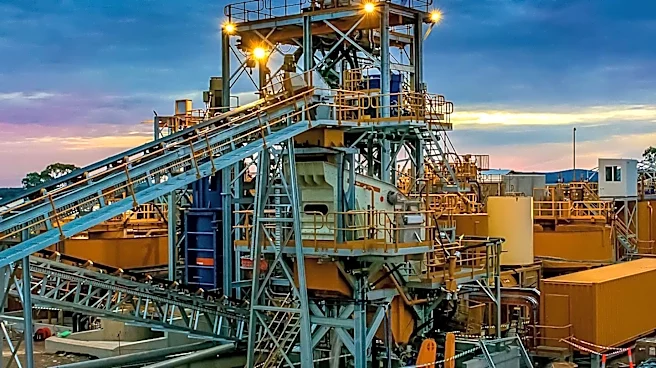
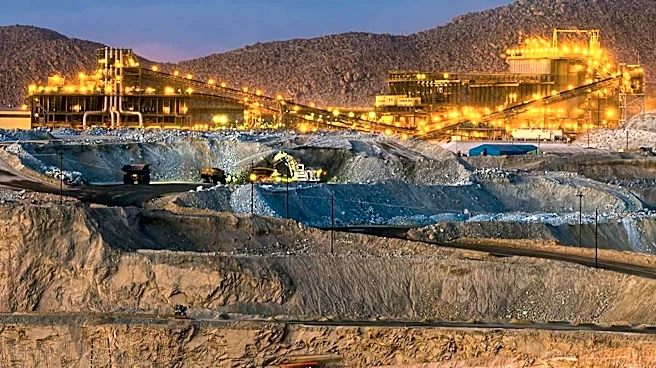
self-sufficient industry. The effort focuses on identifying commercially viable deposits, concentrating minerals, and separating elements, which is a significant technological challenge due to the chemical similarities of rare earth elements. By March 2025, Canada reported 56 active critical mineral mines, 31 processing facilities, and 171 advanced critical-mineral projects, with 28 specifically for processing. The country possesses broad geological opportunities for rare earths across British Columbia, Quebec, Saskatchewan, Labrador, and the Northwest Territories, with particular attention on neodymium, praseodymium, dysprosium, and terbium, crucial for permanent magnets used in electric vehicles, wind turbines, and defense technologies.
Why It's Important?
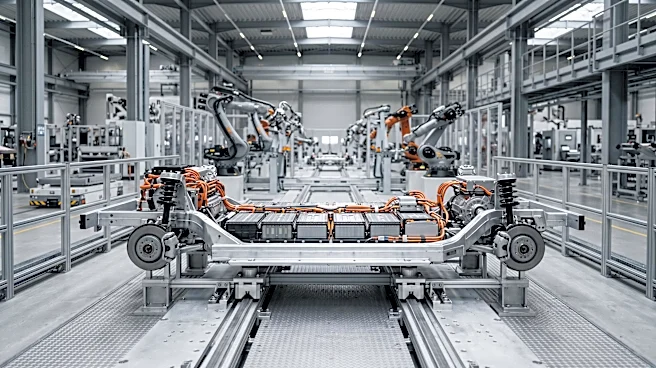
This integrated approach is vital for reducing Western dependence on highly concentrated international supply chains, particularly those dominated by China. By developing domestic processing and manufacturing capabilities, Canada can establish a new advanced-materials industry, enhancing its economic and strategic value. The ability to process raw ore into finished materials, rather than just exporting concentrates, significantly increases economic returns. This shift is critical for industries reliant on permanent magnets, such as electric vehicles, renewable energy, robotics, and defense. For the U.S., a robust Canadian rare earth supply chain could offer a more secure and geographically proximate source of these essential materials, mitigating supply chain vulnerabilities and supporting domestic manufacturing that uses rare earth components.
What's Next?
Canada will continue to invest in exploration technologies, including satellite observations, geophysical surveys, and machine learning, to identify new deposits more efficiently. The focus will also be on improving rare earth separation processes through advanced technologies like digital twins, process modeling, and AI optimization to enhance recovery and reduce energy consumption. Innovation in extraction chemistry and recycling will also be key. The success of these initiatives will depend on securing customers for the refined rare earth products and establishing appropriate relationships with Indigenous communities, alongside navigating environmental and regulatory assessments. The long-term goal is to move from selling rare earth-containing material to manufacturing advanced materials, positioning Canada as a key player in the global critical minerals market.
Beyond the Headlines
The development of an integrated rare earth supply chain in Canada highlights a broader global trend towards securing critical mineral resources and reducing reliance on single-source suppliers. This initiative underscores the understanding that competitive advantage in future mineral markets will not solely depend on geological resources but also on intellectual property, engineering expertise, process knowledge, and manufacturing capacity. The ethical and environmental considerations of mining and processing, particularly in relation to Indigenous communities and the management of radioactive materials, will be crucial for the sustainable development of this industry. This strategic shift could also foster greater collaboration between Canada and the U.S. in critical mineral development and supply chain resilience.