


What's Happening?
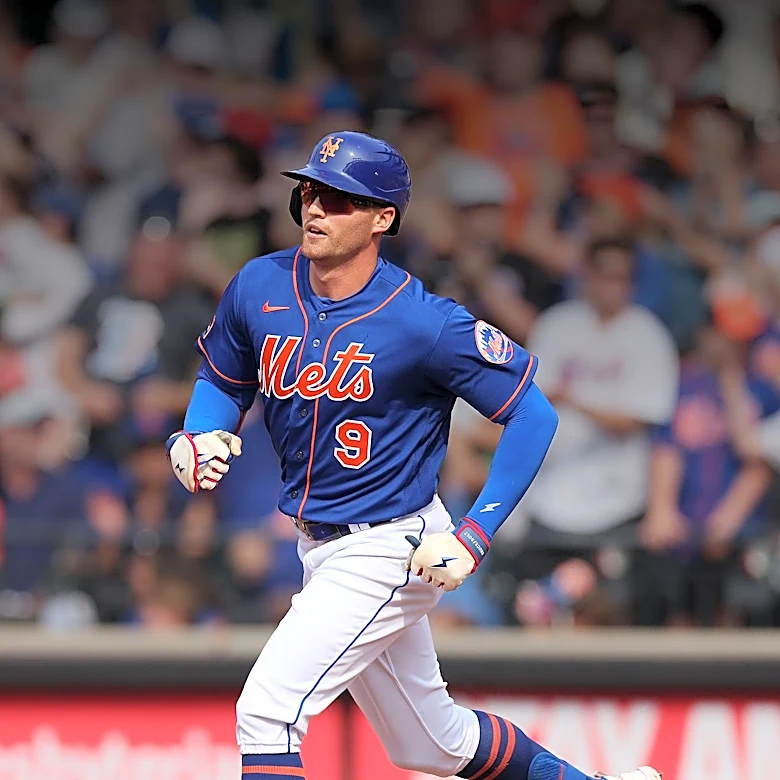
The New York Mets' front office, under President of Baseball Operations David Stearns, is characterized by a mix of hires from various past administrations, according to an analysis by Tim Britton of The Athletic. This 'patchwork hierarchy' includes assistant
general managers brought in by different lead executives, and a blend of personnel across departments. While Stearns has significantly overhauled areas like Player Development and International Scouting, other departments, such as Pro Scouting and Player Personnel, retain a substantial number of individuals from previous eras, including those hired by Sandy Alderson and Billy Eppler. Owner Steve Cohen has reiterated his belief in the Mets' processes and the need for improvement, suggesting a potential directive for new voices within the front office. The article highlights that some long-standing employees, like Jack Bredeson, have seen multiple promotions within the 'Steve Cohen era,' indicating a mix of continuity and change.
Why It's Important?
The composition of the Mets' front office is crucial for the team's long-term success and strategic direction. A diverse mix of philosophical eras within the leadership could lead to a lack of cohesion, potentially hindering decision-making in critical areas like player acquisitions and development. While Stearns is noted for being open to various viewpoints, the article questions the true cohesion of a front office built from such disparate backgrounds. The success of departments like Player Development and International Scouting, which have seen significant changes under Stearns, suggests that a more unified approach could yield better results across the organization. Conversely, areas with more continuity, like Pro Scouting, have experienced mixed success in recent seasons, raising questions about the effectiveness of retaining older models and data analysis methods. This situation impacts the team's ability to compete effectively, manage its substantial financial resources, and ultimately deliver on owner Steve Cohen's commitment to organizational improvement.
What's Next?
As the Mets enter their fourth year with David Stearns at the helm, the focus will likely be on how he continues to shape the front office in his image. The article suggests that the organization may look to target specific areas for new voices, potentially aiming for greater cohesion in departments that haven't been modernized to the same extent as others. This could involve making higher-profile hires, such as a general manager, or strategically replacing individuals at the director level. The impact of a shortened offseason due to a potential lockout could also influence the timing and nature of these changes. The Mets might draw lessons from the success seen in their amateur scouting and player development departments to inform changes in areas like pro scouting and player personnel, which have been identified as potential weaknesses. The ongoing commitment from owner Steve Cohen to Stearns indicates that the President of Baseball Operations will have the mandate to continue refining the team's leadership structure.
Beyond the Headlines
The dynamics within the Mets' front office reflect a broader challenge in professional sports organizations: balancing institutional knowledge and continuity with the need for fresh perspectives and modern analytical approaches. The article subtly touches on the ethical dimension of retaining employees from past administrations, acknowledging that some may be excellent hires, while others might be kept due to a lack of better alternatives or a directive from ownership to avoid excessive churn. The mention of an executive criticizing Stearns for 'reading from a bad book' regarding player acquisition models highlights the critical importance of data integrity and analytical rigor in modern baseball. This situation underscores how the philosophical underpinnings of a front office can profoundly influence on-field performance and financial efficiency, extending beyond individual player decisions to the very culture and operational effectiveness of the organization. The long-term success of the Mets will depend not just on player talent, but on the ability of its leadership to foster a cohesive and forward-thinking environment.