







What's Happening?
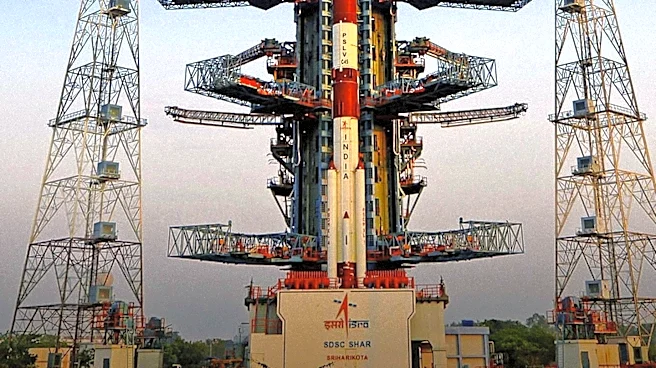
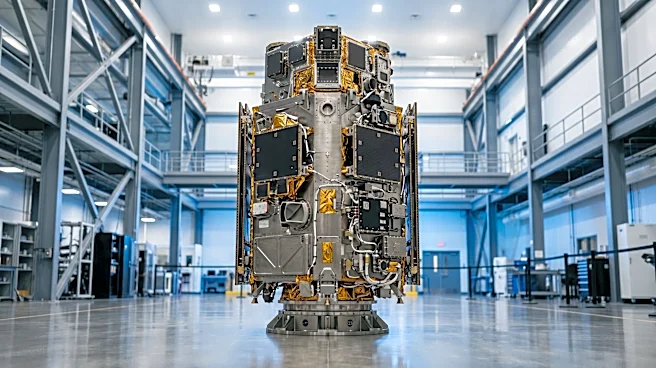
Skyroot Aerospace, a private Indian company, successfully launched its Vikram-1 rocket into orbit on July 18, 2026, from Andhra Pradesh. This marks the first time a privately built and owned rocket from India orbited a payload, carrying two satellites,
SCOPE and Grahaa, into low-Earth orbit. This achievement positions India as the third country globally where private entities have demonstrated orbital launch capabilities. The co-founder and CEO of Skyroot Aerospace, Pawan Kumar Chandana, has been recognized in TIME's inaugural TIME100 Next India list for his leadership in shaping the country's future. This milestone signifies a significant shift in India's space program, traditionally dominated by the Indian Space Research Organisation (ISRO), towards greater private sector involvement. Skyroot Aerospace, founded in 2018 by former ISRO colleagues, aims to provide dedicated launch services for smaller payloads, offering more flexibility to satellite operators.
Why It's Important?
This successful launch by Skyroot Aerospace is a pivotal moment for India's burgeoning private space industry. It demonstrates the country's growing capability in advanced aerospace technology beyond government-led initiatives, fostering innovation and competition. The ability of private companies to develop and launch orbital rockets can significantly reduce the cost of accessing space, making it more accessible for various applications, including communication, weather forecasting, and disaster management. This development could attract further investment into India's space-tech sector, as evidenced by Skyroot achieving unicorn status in May 2026. For the global space market, India's entry as a private launch provider increases competition and offers more options for satellite operators, potentially driving down costs and accelerating technological advancements in space exploration and utilization.
What's Next?
Skyroot Aerospace plans to develop larger, reusable launch vehicles to further reduce the cost of space access, aiming to support mega constellations of satellites and eventually human spaceflight. The company intends to increase the frequency of its launches and continue investing in manufacturing capabilities. The Indian government's reforms, which opened the space sector to private participation and established the Indian Space Promotion and Authorisation Centre (IN-SPACe), are expected to further facilitate the growth of private space companies. This regulatory support, coupled with technological advancements, suggests a future where India's private sector plays a more prominent role in global space endeavors, potentially expanding into areas like in-space manufacturing and data centers. The success of Vikram-1 will likely encourage other private Indian firms to accelerate their space technology development.
Beyond the Headlines
The success of Skyroot Aerospace reflects a broader global trend of privatization in the space industry, moving away from solely government-funded programs. This shift has profound implications for national security, economic development, and scientific research. By fostering a robust private space sector, India can enhance its strategic autonomy in space, reduce reliance on foreign launch providers, and create high-tech jobs. Ethically, the increased commercialization of space raises questions about orbital debris management, equitable access to space resources, and the potential for commercial exploitation of celestial bodies. Legally, it necessitates the development of clear regulatory frameworks for private space activities, including liability, intellectual property, and international cooperation, to ensure sustainable and responsible use of outer space.