






What's Happening?
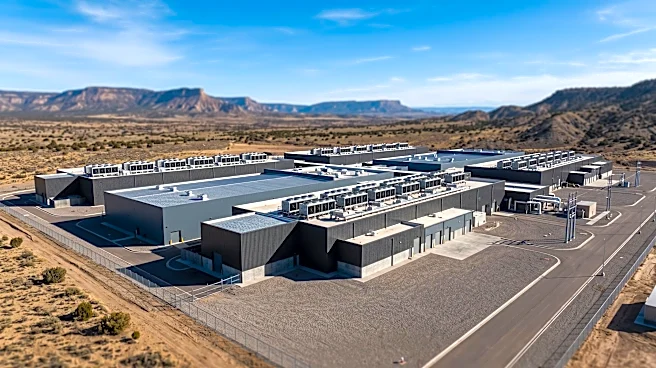
JPMorgan Chase currently holds $29 billion in loans within the commercial property category that includes data centers, a sector increasingly scrutinized by lenders due to rising concerns about AI-related debt. This category now constitutes 12% of JPMorgan's
commercial real estate portfolio, a significant increase from 8% three years ago, making it the second-largest segment after apartment buildings. The bank's overall net loans have also grown, reaching $1.56 trillion, up 10.6% from the previous year. This development comes as some banks, previously eager to fund AI projects, are now hesitant to extend further credit, even with backing from major tech companies. This shift in lending sentiment follows a recent market selloff that impacted the Nasdaq 100. JPMorgan's third-quarter results already showed a slowdown in dealmaking, and the emerging AI credit concerns add another layer of complexity to its financial outlook. Citigroup also recently signed a $3.5 billion secured loan for neocloud Nebius, a type of deal now receiving closer examination.
Why It's Important?
The growing reluctance of lenders to finance AI-related debt, particularly for data centers, signals a potential cooling in a previously booming sector. This shift could impact the rapid expansion of AI infrastructure, which relies heavily on significant capital investment. For JPMorgan, its substantial exposure to data center loans means increased risk if the sector faces a downturn or if borrowers struggle with repayment. A slower buildout of AI infrastructure could also reduce investment banking fees derived from loans, bonds, and stock sales that fund these projects, affecting a key revenue stream for major financial institutions. The cautious stance from banks like JPMorgan and the re-evaluation of deals by Citigroup suggest a broader market adjustment to the perceived risks associated with emerging technologies and their capital requirements. This could lead to higher borrowing costs for AI companies and potentially slow down innovation and deployment in the AI space.
What's Next?
JPMorgan's fourth-quarter results, scheduled for January 14, 2027, will be closely watched for indications of whether reserve builds for potential loan losses will increase and if net interest income targets are met. The bank's ability to manage its existing data center loan portfolio and its strategy for future lending in the AI sector will be critical. The broader financial market will also observe how other major lenders adjust their strategies regarding AI debt, which could set a new precedent for financing technology-driven infrastructure. Companies like CoreWeave, which has already seen its stock and bonds drop, may face further challenges in securing funding. The evolving landscape of AI financing could lead to more stringent lending criteria, potentially impacting the growth trajectory of AI-dependent industries and the broader technology sector.
Beyond the Headlines
The increasing caution around AI debt highlights a broader financial market trend of re-evaluating risk in rapidly expanding, technology-driven sectors. This situation could lead to a more disciplined approach to capital allocation in the AI industry, potentially favoring more established or financially robust companies over riskier startups. It also underscores the cyclical nature of investment trends, where initial enthusiasm can give way to more conservative lending practices as potential risks become clearer. The shift could also prompt a re-evaluation of the long-term sustainability and profitability of data center investments, especially as energy consumption and environmental concerns related to these facilities continue to grow. This financial recalibration may ultimately lead to a more sustainable growth path for the AI industry, albeit at a potentially slower pace than previously anticipated.