


What's Happening?
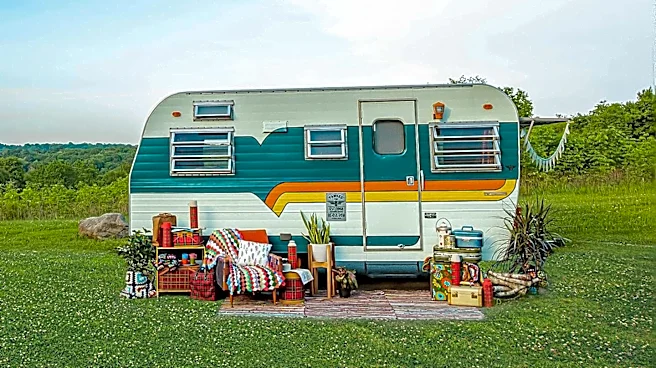
Vintage campers and trailers are experiencing a resurgence in popularity, with many stationary rentals now incorporating sustainable and energy-efficient upgrades. Resorts like Starlite Vintage Resort in Cañon City are modernizing their 50- to 70-year-old
units with new appliances, plumbing, and air conditioning to meet contemporary demands for comfort and sustainability, while preserving their classic aesthetic. Matt Swinderman, a guest-services and maintenance specialist at Starlite, noted that while the exterior and visible elements retain their vintage charm, the internal systems are being updated for efficiency. This trend is driven by a desire for unique, throwback experiences combined with modern amenities and a growing interest in eco-conscious travel options. The demand for these rentals has seen a post-pandemic surge, with bookings at places like Starlite including family reunions, weddings, and corporate retreats, in addition to individual and friend outings. USA Today recognized Starlite as one of the top vintage trailer 'hotels' in the U.S., highlighting the growing appeal of this niche travel segment.
Why It's Important?
The increasing demand for eco-friendly vintage camper and trailer rentals signifies a notable shift in the U.S. travel and tourism industry. This trend reflects a broader consumer preference for sustainable luxury travel and unique, experiential accommodations. For businesses in the hospitality sector, particularly those offering glamping or specialized lodging, adapting to these demands by integrating modern, energy-efficient solutions into vintage offerings can attract a wider customer base. The emphasis on sustainability also aligns with growing environmental consciousness among travelers, potentially influencing investment in green technologies and practices within the tourism infrastructure. Furthermore, the popularity of these rentals, often located near natural attractions, supports local economies in scenic areas by drawing tourists seeking outdoor activities like hiking, biking, and rafting. This movement also highlights the economic viability of restoring and repurposing older assets, contributing to a circular economy model within the travel industry.
What's Next?
The vintage camper and trailer rental market is expected to continue its growth trajectory, with further innovations in sustainable upgrades and diverse rental options. Industry reports, such as one by Market Research Future, indicate a sustained demand for energy-efficient choices as part of a broader move towards sustainability. This could lead to more resorts and individual owners investing in advanced solar power systems, water conservation technologies, and other eco-friendly features for their vintage units. Travelers can anticipate a wider array of choices, from off-the-grid options with self-contained resources to full-service resorts offering hotel-style amenities within a vintage setting. The market may also see an increase in specialized services for vintage trailer restoration, focusing on both aesthetic preservation and modern functionality. As this segment matures, there could be greater standardization in rental expectations and clearer guidelines for what constitutes a 'sustainable' vintage glamping experience, further solidifying its place in the U.S. travel landscape.
Beyond the Headlines
Beyond the immediate economic and environmental implications, the rise of eco-friendly vintage camper and trailer rentals touches upon deeper cultural and social trends. This phenomenon represents a blend of nostalgia for simpler times and a forward-looking commitment to environmental responsibility. It offers a unique form of escapism, allowing individuals and families to disconnect from modern urban life and reconnect with nature, often in a more intimate and community-oriented setting than traditional hotels. The 'glamping' experience, particularly in vintage units, fosters a sense of community among travelers, as seen in shared amenities and social events at resorts. Ethically, this trend promotes the reuse and restoration of existing resources, reducing the environmental footprint associated with new construction. It also encourages a mindful approach to consumption, where travelers are more aware of their resource usage, especially in off-grid settings. This cultural shift towards valuing experiences over possessions, combined with a desire for sustainable practices, is likely to have a lasting impact on how Americans choose to travel and recreate.